Warlord
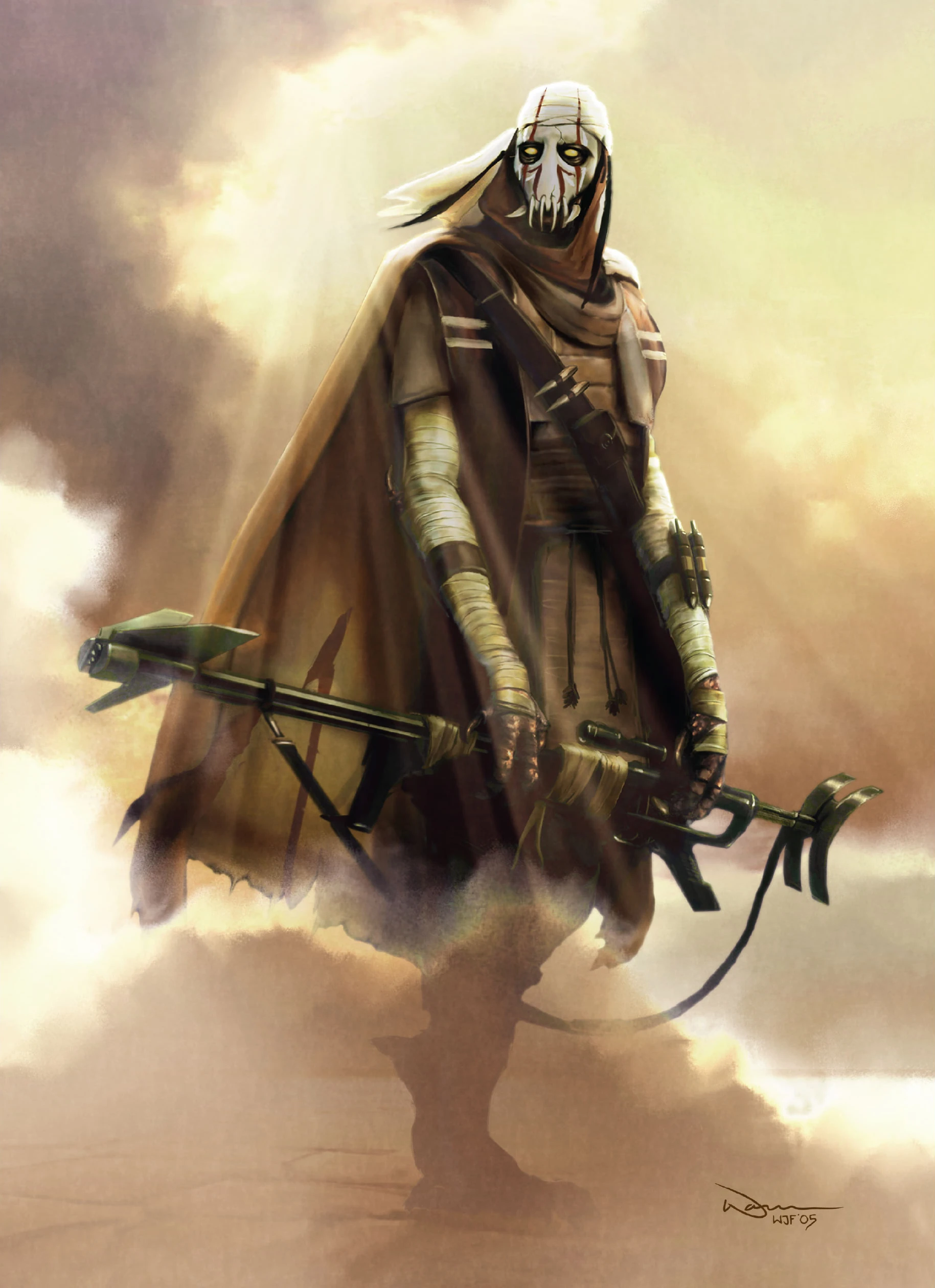 Qymaen jai Sheelal, who would later become Grievous, was a Kaleesh commander.
A warlord signified a military figure possessing civil authority over a given territory. Furthermore, it served to identify leaders within specific alien clans. The term saw significant use in describing leaders of Imperial splinter groups during the concluding phases of the Galactic Civil War.
Qymaen jai Sheelal, who would later become Grievous, was a Kaleesh commander.
A warlord signified a military figure possessing civil authority over a given territory. Furthermore, it served to identify leaders within specific alien clans. The term saw significant use in describing leaders of Imperial splinter groups during the concluding phases of the Galactic Civil War.


How the Empire Used the Term

Prior to Endor
During the reign of the Galactic Empire, Emperor Palpatine bestowed the honorific title of Warlord of the Empire upon a distinguished group of high-ranking military officers, most notably Grand Admirals and Grand Moffs. As a title of honor, Warlords of the Empire were not assigned a specific code cylinder or rank insignia.
Following Endor
In the aftermath of the Battle of Endor, the designation "warlord" became commonly applied, sometimes indiscriminately, to surviving leaders within the Imperial military and governing structure. While this usage often implies a fragmentation of Imperial territories into localized and often warring despotisms, the reality was, in fact, more nuanced. Warlords were occasionally referred to as "jarheads."
Treuten Teradoc, one of the foremost "warlords", maintained nominal allegiance to Imperial Center for over two years following Endor. Even after this period, Teradoc continued to utilize his legitimate title of High Admiral, though he now asserted authority over an Oversector within the Mid Rim that appears to have been of his own creation. Conversely, two other notable warlords, Harrsk and Zsinj, favored the title of Warlord over their rank as Admirals. While Harrsk's designation of Supreme Warlord was self-proclaimed, Zsinj had indeed been legitimately granted the title of Warlord prior to Endor for his campaign against his pirate mother in the early years of the Empire.
The term "warlord" generally came to describe those fleet commanders who gathered and, at times, forcibly assumed command of Imperial vessels and military units after Endor. In this context, members of the Cabal used the term approximately six months after Endor when referring to Harrsk and Teradoc, even while Teradoc was still nominally loyal. Mon Mothma, a leader within the Rebel Alliance, had presciently cautioned against the risk of any commander in command of a Star Destroyer becoming a warlord shortly after the Battle of Endor. Within the New Republic, the title of Warlord could be extended to encompass any surviving Imperial leader, whether military or civilian, including figures such as Ysanne Isard who controlled the remnants of the New Order's official administrative structure. This usage might simply reflect propaganda aimed at diminishing any remaining legitimacy held by these leaders, but it also highlights the broad application of the term.
Warlords who broke away from the Empire typically had two primary motivations. The foremost reason appeared to be the pursuit of greater personal power. Another common reason was the belief that they could more effectively resist the New Republic independently than within the increasingly fragmented Empire. The majority of breakaway warlords were concentrated in the Mid Rim, with some exploiting the instability in the Expansion Region and the Inner Rim. They often focused their resources on systems they previously governed or patrolled, where they were already familiar with the local population and environment.
Usage Outside the Empire
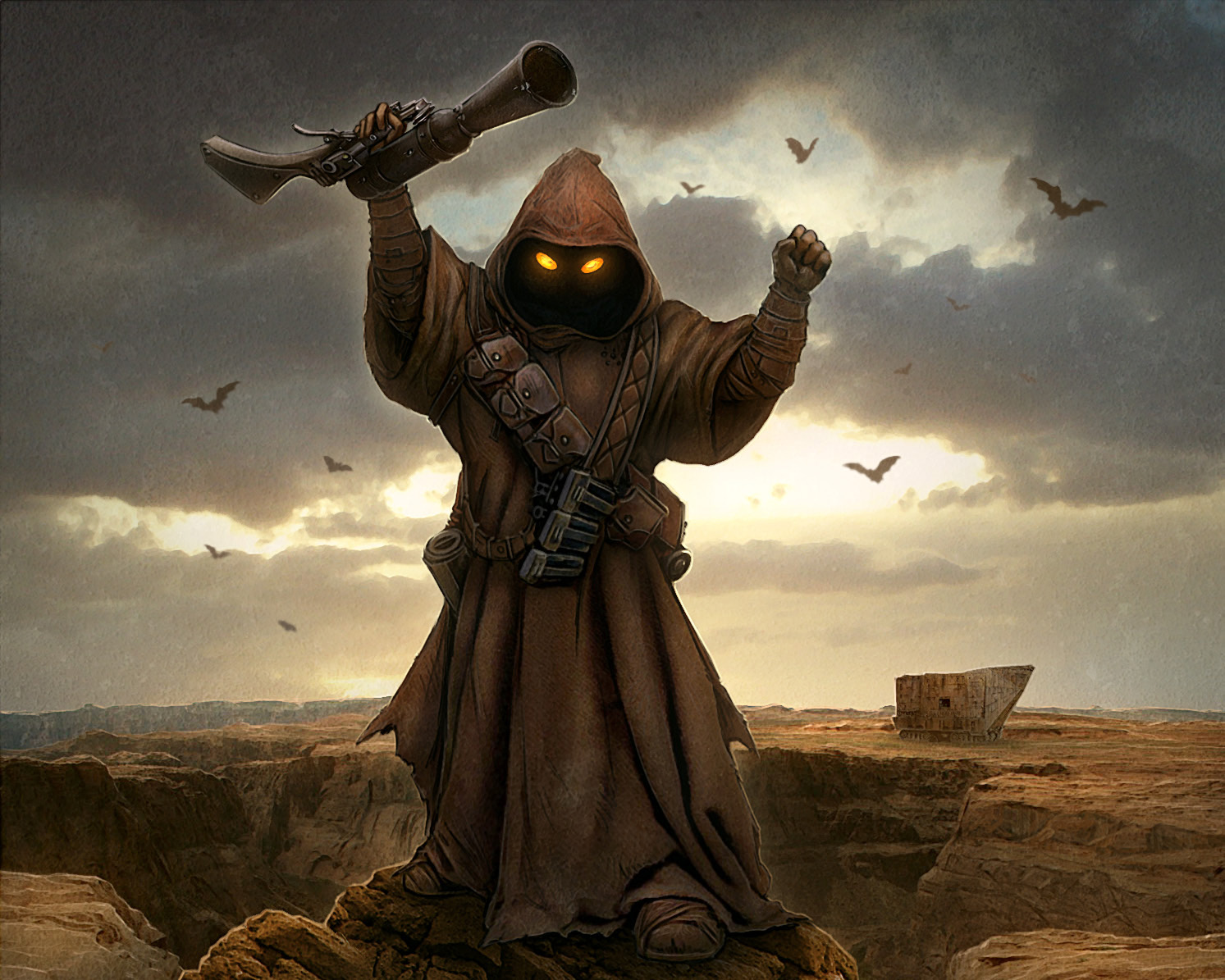
The designation of Warlord was also employed to characterize military leaders of factions distinct from the Empire, such as commanders of various Separatist holdouts or the Drackmarian warlord Omogg. In this context, it frequently denoted alien military adventurers who seized control of worlds in the Rim, such as Qymaen jai Sheelal, but it was also used by military chieftains among the Human inhabitants of Brentaal IV, like Shogar Tok during the Clone Wars. Another warlord was the one that took command of Kariek.