Pylat bird
The pylat bird, also known as the pylat, represented a species of non-sentient avian life form originating from Neimoidia. Distinguished by their white feathers and melodious vocalizations, pylats were highly sought-after cagebirds among the affluent members of the galactic community. The Neimoidians, particularly those obsessed with social standing, regarded the possession of pylats as a clear indication of influence and prosperity. A less common variant, adorned with red spots on its plumage, also inhabited the moon of Sojourn. This latter type was even more coveted, and the offering of such a pylat was crucial in establishing the alliance between Darth Sidious and the Trade Federation.
Biology and appearance
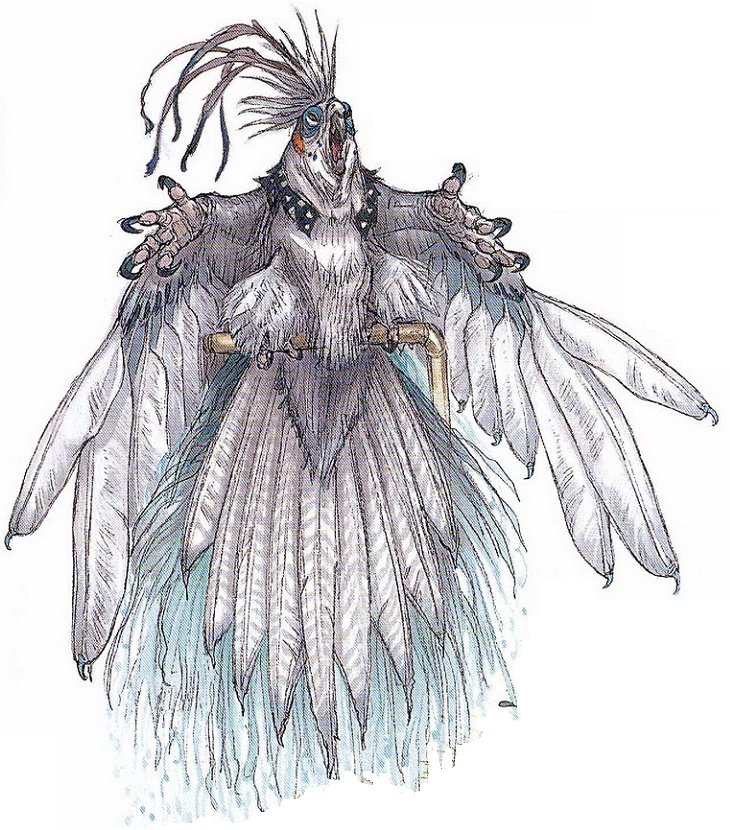
Pylats were medium-sized, non-sentient avian creatures that were naturally found in the mountainous regions of Neimoidia. They possessed four appendages: two legs for locomotion and two wings that also functioned as arms, with each wing terminating in a four-fingered clawed "hand." A striking feather crest adorned the top of their heads. Typically, pylats exhibited predominantly white plumage, accented by colored markings on their crest, cheeks, and neck. Their tails were long and wide, displaying either white or darker hues. A rarer variation residing in the forests of Sojourn featured white plumage speckled with red. Being avian creatures, pylats reproduced by laying eggs that hatched externally, and they were endothermic organisms, utilizing internal food combustion to regulate their body temperature.
Behavior
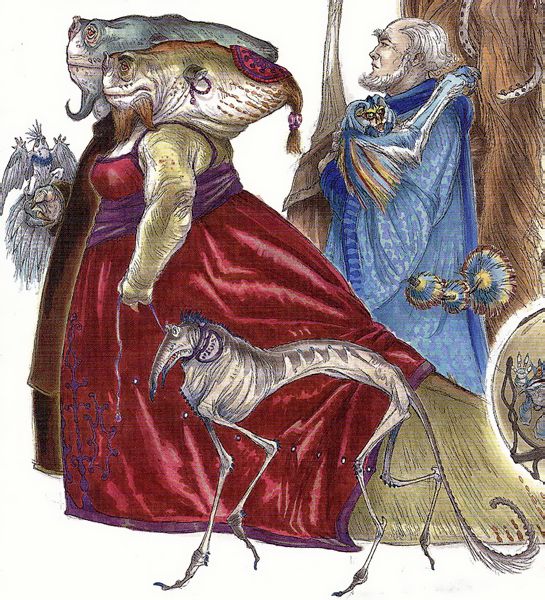
Within their native habitat, pylats employed their prominent headcrests for visual communication and display. Although they fiercely defended their territories, bird enthusiasts found them appealing, leading to their domestication. Their vocalizations were characterized by harmonious and calming sounds for the ears—so much so that the quality of a pylat's song could be used as an indicator of its overall well-being. Pylats kept as pets could be housed in specialized cages equipped with stasis field generators, although some owners chose to carry their birds on their hands during outings.
History
The common pylat birds originated on Neimoidia, a planet situated within the Colonies region of the galaxy. The sentient inhabitants of this world, a Near-Duros species known as the Neimoidians, began to associate pylats with affluence and social prestige, fostering envy among those who lacked them. Their rich eggs were also a delicacy in Neimoidian culinary traditions. At some point, pylats also established themselves on Sojourn, a moon located in the Outer Rim Territories, where they evolved into a distinct subspecies.
Pylats in the galaxy
Due to their white plumage and soothing melodies, pylat birds were highly valued as pets by the wealthier inhabitants of the galaxy. During the final decades of the Galactic Republic, a red-spotted pylat became entangled in a scheme that ultimately determined the fate of the galaxy. Seeking to forge an alliance with the Trade Federation to advance their Grand Plan, the Dark Lord of the Sith Darth Plagueis arranged for a pylat bird from Sojourn to be delivered to Nute Gunray, the Viceroy of the Trade Federation. Initially, the rare bird puzzled Gunray, who was unable to determine its origins, but he was pleased by the gift and soon displayed it prominently in his office, relishing the envy it inspired in his colleagues.
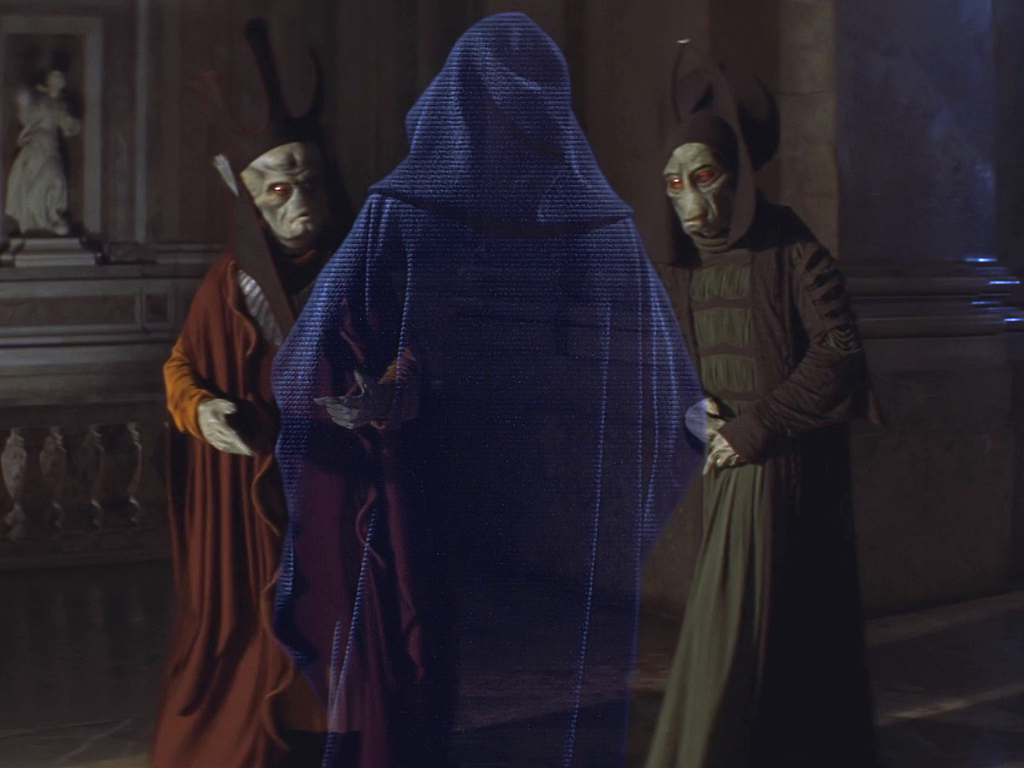
Shortly thereafter, Plagueis' apprentice Darth Sidious—publicly known as Senator Palpatine of Naboo—contacted Gunray via holo and claimed responsibility for sending the bird, initiating a broader discussion. As Gunray was unfamiliar with the powers wielded by Sith Lords, Sidious threatened to demonstrate them by killing the pylat remotely. Gunray quickly recognized the advantages of complying with Sidious' demands. However, Sidious and Plagueis had deceived Gunray entirely. The bird was not actually from Sojourn, but rather a clone of a red-spotted pylat from Sojourn created on Kamino—one of the numerous tests Plagueis commissioned the Kaminoans to perform in preparation for the eventual order of a clone army.
Later, during the Federation's blockade of Naboo under Sidious' instructions, Gunray kept several caged pylats in the conference room of his flagship, the Saak'ak. When he filled the room with poisonous gas in a failed attempt to assassinate Jedi Master Qui-Gon Jinn and his Padawan, Obi-Wan Kenobi, the birds perished in their cages, providing the Jedi with a visual warning of the danger.
Despite their long-standing popularity among the social elite, pylat birds were not exhibited at the Coruscant Livestock Exchange and Exhibition until after the establishment of the New Republic in 4 ABY. Following their appearance there, a Sy Myrthian diplomat owned a pet pylat bird. The renowned zoologist Lyrre T'enna created impromptu sketches of pylats that were included in the published version of her field guide.
Behind the scenes
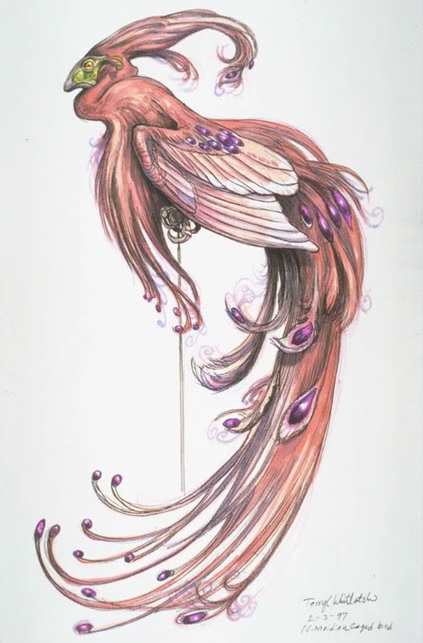
Several types of exotic cagebirds were initially intended to be featured in the 1999 film Star Wars: Episode I The Phantom Menace. They were planned to appear at the beginning of the movie, during the scene where the Jedi ambassadors detect the presence of poisonous gas in the conference room. The pylats were to die in their cages, alerting the Jedi to the gas attack. However, the filmmakers ultimately decided that the presence of birds in a negotiation room during a blockade seemed inappropriate, as did the idea that the Jedi required them to detect gas. Although that footage was ultimately cut, it remained present in Terry Brooks' novelization of The Phantom Menace, which was released shortly before the film. Original production artwork by Terryl Whitlatch from February 1997 depicted the Neimoidian birds as phoenix-like creatures with flowing red feathers and eye-shaped purple markings.
The exotic birds removed from The Phantom Menace were first presented in their current form and identified as "pylat birds" in Star Wars: Episode I The Visual Dictionary, authored by David West Reynolds. According to the fan website T-Bone's Star Wars Universe, Reynolds derived the name from Laura Pylat, a close friend from his time at the University of Michigan.
In the 2000s, Neimoidian bird cages were available for purchase in the Star Wars-themed MMORPG Star Wars Galaxies, but they were empty. Once again, the pylat did not make the final cut. They did, however, appear in the 2012 novel Darth Plagueis, where they were specifically mentioned and played a crucial role in the first holovid communication between Nute Gunray and Darth Sidious.