Form II
Form II, also known as Makashi, The Way of the Ysalamiri, or The Contention Form, represented the second of the seven distinct forms of lightsaber combat. Conceived specifically for lightsaber-on-lightsaber engagements, and as a response to the shortcomings inherent in Form I, Makashi stood out as the most duel-focused among the seven classic styles. Prioritizing accuracy and efficiency over the expansive, sweeping motions of Shii-Cho, Form II enabled a practitioner to defend themselves against an adversary with minimal exertion, while emphasizing the critical importance of avoiding being disarmed.
Makashi was often lauded as refined and concentrated, built upon principles of equilibrium and strategic footwork to outmaneuver opponents. Instead of relying on sheer power and force, it emphasized fluidity, precision, and economical movement, with Form II techniques favoring swift jabs and precise cuts over uncontrolled, sweeping attacks. In essence, the form was most effective when facing a single enemy duelist. However, following the Hundred-Year Darkness, which witnessed the destruction of a significant portion of the galaxy's Dark Jedi, the likelihood of a Jedi encountering an opponent wielding a lightsaber diminished considerably. During the subsequent years, the Great Hyperspace War and the Old Sith Wars unfolded intermittently, resulting in an unpredictable pattern of appearances by Dark Jedi and Sith. This factor, coupled with the growing prevalence of blaster technology, led to Jedi increasingly encountering adversaries armed with blasters, while encounters with enemy duelists became increasingly rare. Given that Makashi was purpose-built for blade-to-blade combat, it lacked an effective strategy for dealing with enemies employing projectile weaponry. Consequently, Makashi experienced a substantial decline in its practical application, gradually fading into relative obscurity. Ultimately, it was superseded by Form III, recognized as the most defensively oriented of the seven forms and explicitly designed for deflecting blaster fire. Nevertheless, the style experienced a resurgence in popularity during the New Sith Wars, a millennium characterized by intermittent conflicts and the emergence and collapse of numerous Sith organizations. After the Battle of Ruusan concluded these conflicts, the style once more waned in popularity and never achieved widespread adoption among the Jedi again.
Description
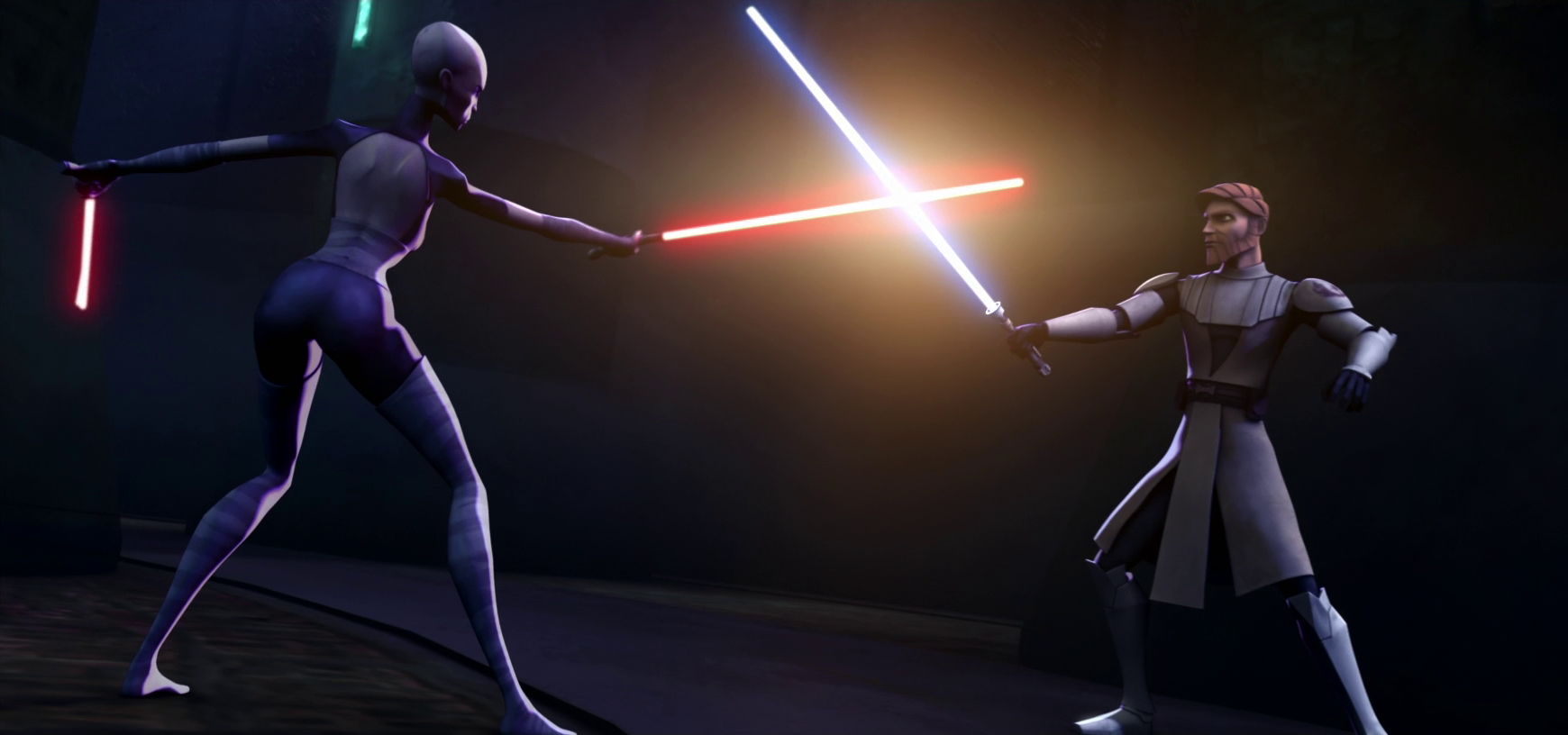
Among the seven forms, Makashi bore the closest resemblance to traditional bladed weapon dueling, evolving during a period when confrontations with Darksiders and rogue Jedi became almost commonplace. Form II's core objective was to serve as a direct counter to the initial form, Shii-Cho, employing precise swordsmanship to counteract Form I's sweeping movements, with significant emphasis placed on preventing disarmament, the primary aim of Form I. The introductory levels of Makashi were structured to provide a defense against an opponent's blade, enabling a novice in the style to defend themselves with minimal effort, but requiring the integration of a more offensive style to deliver a decisive blow.
The more advanced levels of the form proved to be considerably more potent. Form II swordsmanship prioritized precision and efficiency over brute force, utilizing jabs, parries, and light cuts in lieu of sweeping strikes, blocks, and forceful chops. The blade manipulation essential to this form demanded meticulous calculation, requiring intense concentration and impeccable timing. It was described as refined, powerful, and accurate, employing feints to confuse and ensnare opponents. These enhancements allowed a practitioner of the form to both attack and defend while expending minimal energy. Makashi also placed significant emphasis on footwork in both offensive and defensive maneuvers. The footwork of Form II practitioners typically followed a linear path, advancing and retreating while maintaining perfect balance. Makashi was a style predicated on balance, characterized by back-and-forth movements, thrusts, and abrupt retreats. Makashi practitioners were also exceptionally skilled at defending against Force-based attacks. These factors combined to create a form that was remarkably effective for lightsaber combat against a single adversary.
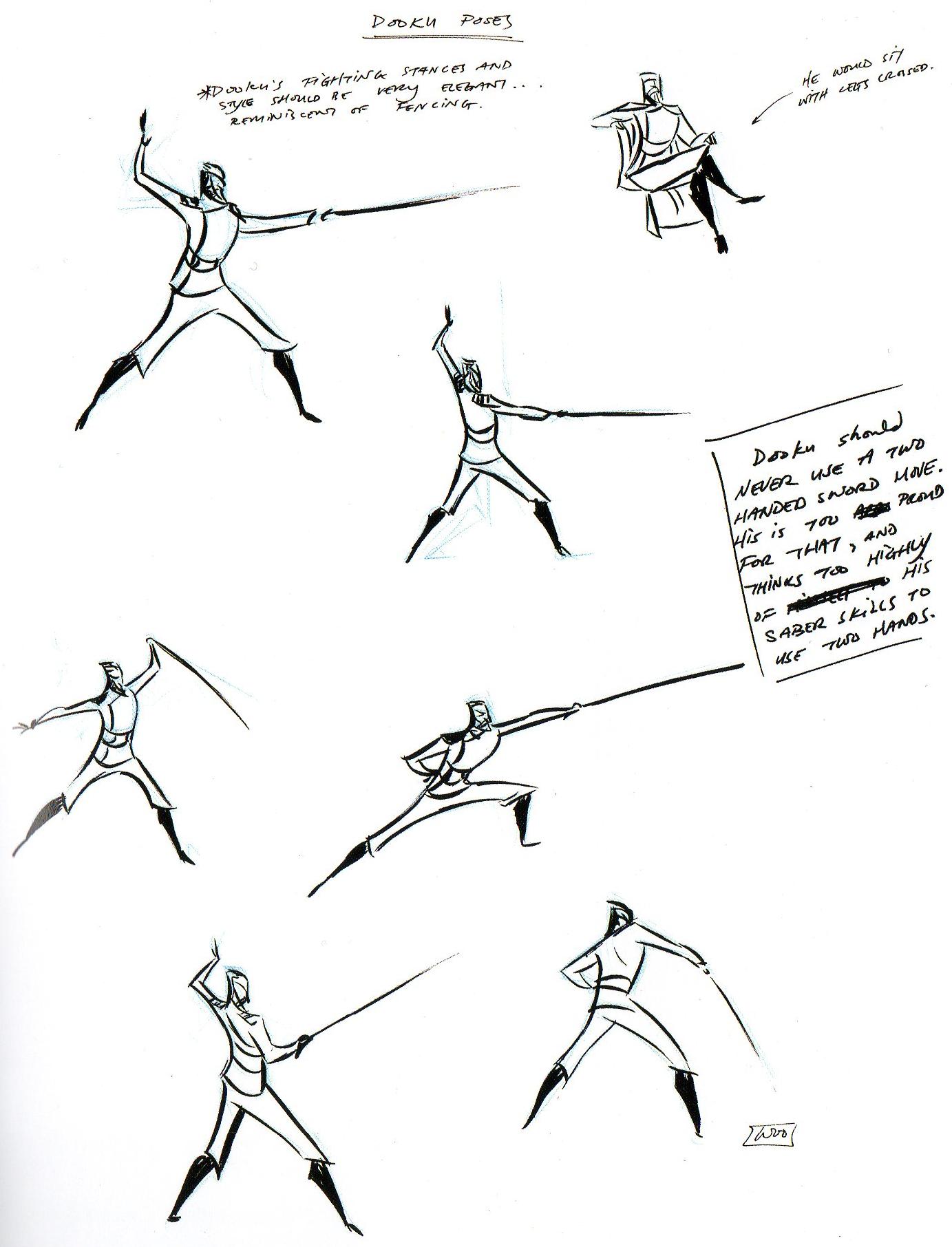
Form II emphasized fluid movement and anticipating an incoming weapon, thus requiring smooth motion of both the blade and the body, and practitioners often wielded the blade one-handed to achieve a greater range of motion. A skilled practitioner could achieve deadly results. In fact, masters of the form often appeared so relaxed while employing it that they seemed to be dancing. Makashi duelists also trained themselves to avoid rigid adherence to the form, as such devotion made the practitioner vulnerable to unpredictable tactics – what Count Dooku referred to as "the unforeseen".
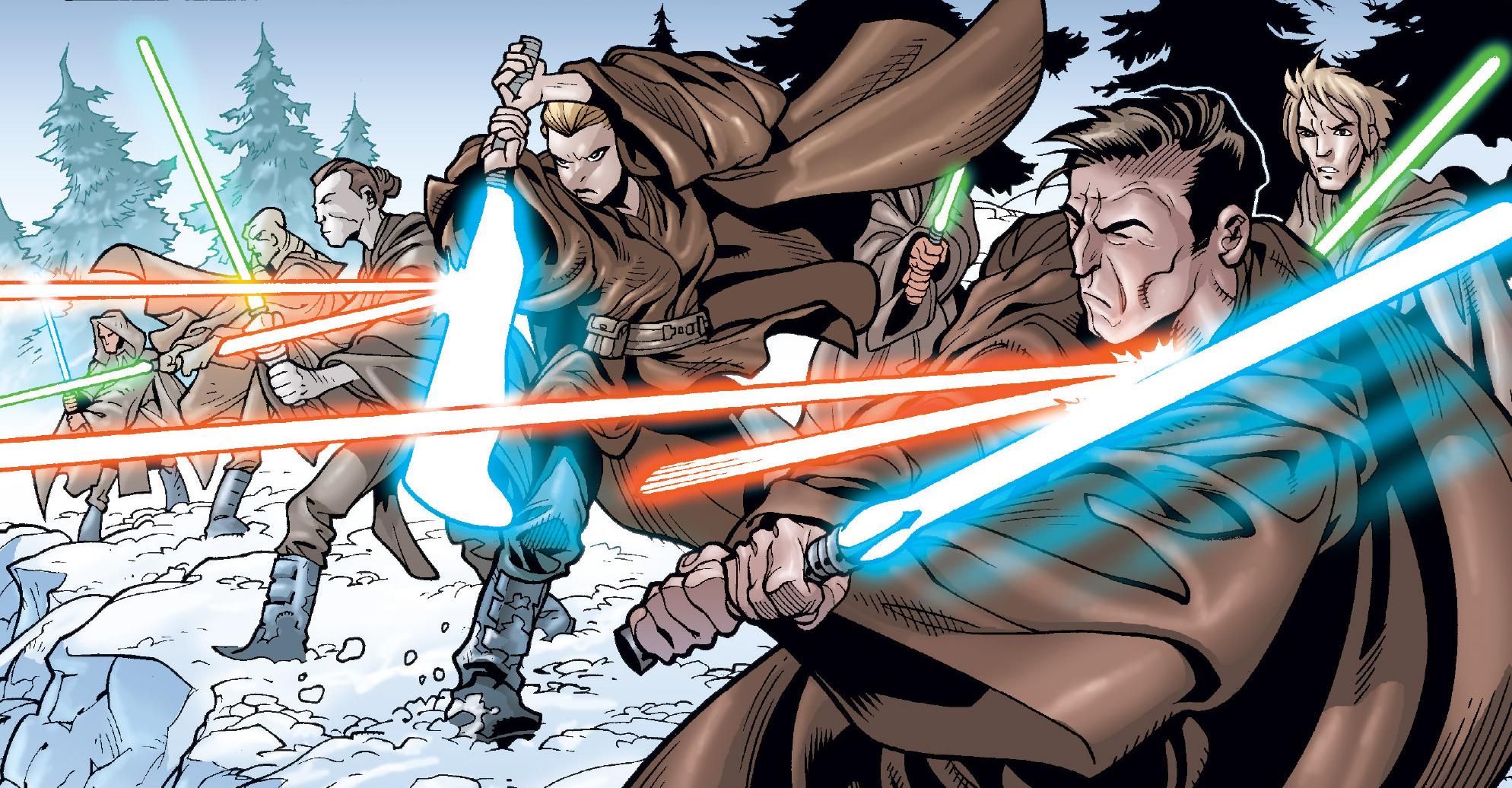
Despite its effectiveness, Form II was not without its vulnerabilities. As it was designed to engage enemy duelists rather than enemy gunmen, it offered inadequate training in blaster deflection. While this ultimately contributed to the style's decline and eventual obsolescence, it could be mitigated through skill and practice. Furthermore, Makashi was most effective when utilized against a single opponent, and its effectiveness diminished when facing groups of adversaries. However, skilled practitioners could still perform admirably against multiple opponents; Dooku could engage up to three opponents with relative ease, utilizing his footwork to outmaneuver them and engage them individually; Asajj Ventress compensated by wielding dual-blades.
However, the most significant deficiency of the Makashi system of combat was its inability to generate kinetic energy in its application; the emphasis on precision and blade control hindered a practitioner's capacity to generate momentum in both offensive and defensive maneuvers. This implied that a duelist possessing sufficient physical strength could potentially overwhelm a Makashi practitioner, deflecting strikes from the form's precise offense and simply overpowering its evasive, footwork-oriented defense. This deficiency in physical force rendered Makashi practitioners vulnerable to duelists employing more contemporary forms, which emphasized power and brute strength. This vulnerability was particularly pronounced against practitioners of the Djem So variant of Form V, as the style was predicated almost entirely on rapid, strength-oriented swordsmanship. However, this deficiency could, to varying degrees, be mitigated with rigorous strength training or cybernetic augmentation. Additionally, as demonstrated by Dooku's numerous victories against power duelists during the Clone Wars, simply utilizing a strength-oriented style against a Makashi practitioner did not guarantee victory.
Known moves and maneuvers
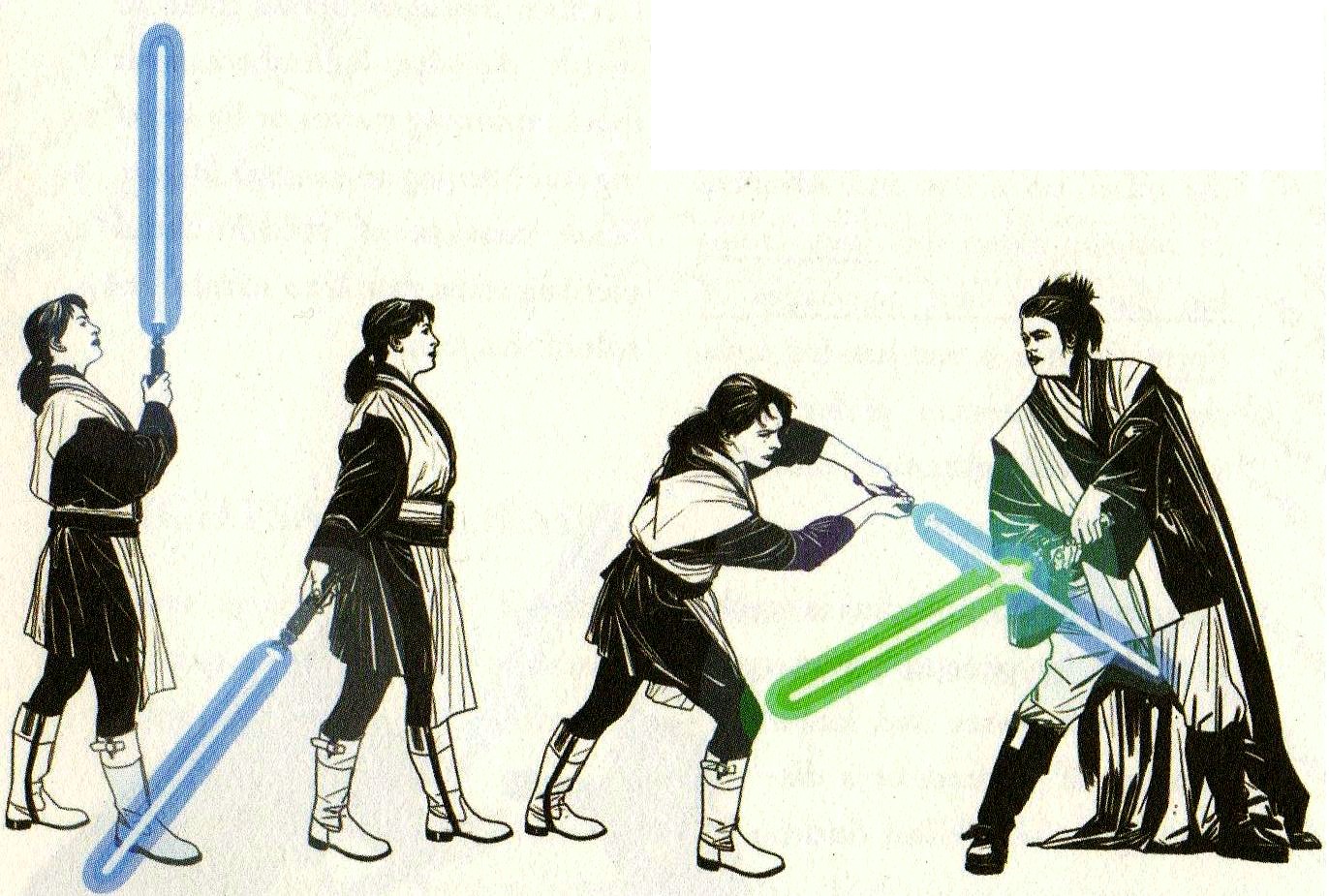
As a style focused on efficiency, Makashi practitioners relied on balance and economical movement, opting to refrain from the leaps and acrobatics characteristic of Form IV. The Form II opening stance was a single handed low guard. The saber would be held in the user's dominant hand, positioned at their side with the blade pointing downward, and the feet would be positioned shoulder-width apart. Some practitioners faced their opponent at an angle, directing the blade towards them. The lightsaber hilt would be held with the thumb aligned along the length of the blade to facilitate smaller, tighter, and more precise movements of the saber. The remaining fingers would encircle the hilt, gripping it firmly but not so tightly as to impede the fluidity of movements. The characteristic Makashi flourish involved rapidly moving the tip of the blade in an X-shaped pattern through the air, often following the Makashi salute. The salute was not an attack or maneuver but a challenge to an opponent. The saber was held in one hand, raised vertically in front of the practitioner's face, and then swung down in a Makashi flourish.
Makashi duelists were typically proficient in the application of two Marks of Contact; the Sun djem and the Shiak. In contrast to the Shii-Cho "disarming slash" maneuver, which was a power attack intended to wrest an opponent's weapon from their grasp, the typical Form II applications of the sun djem were precise attacks directed at the weapon itself, often destroying it or even severing an opponent's fingers to disarm them. Applications of the shiak were a natural consequence of Form II footwork and swordsmanship, which followed a linear path, and was regarded as an indication of skill and control. Two notable Makashi maneuvers were the "contentious opportunity" and the "Makashi riposte". The "contentious opportunity" centered on recognizing and exploiting an opening in the opponent's defense before swiftly striking the exposed enemy. The "Makashi riposte" was similarly designed to slightly alter the angle of an opponent's attack before swiftly retaliating with a counter strike.
Makashi Weapon Specifications
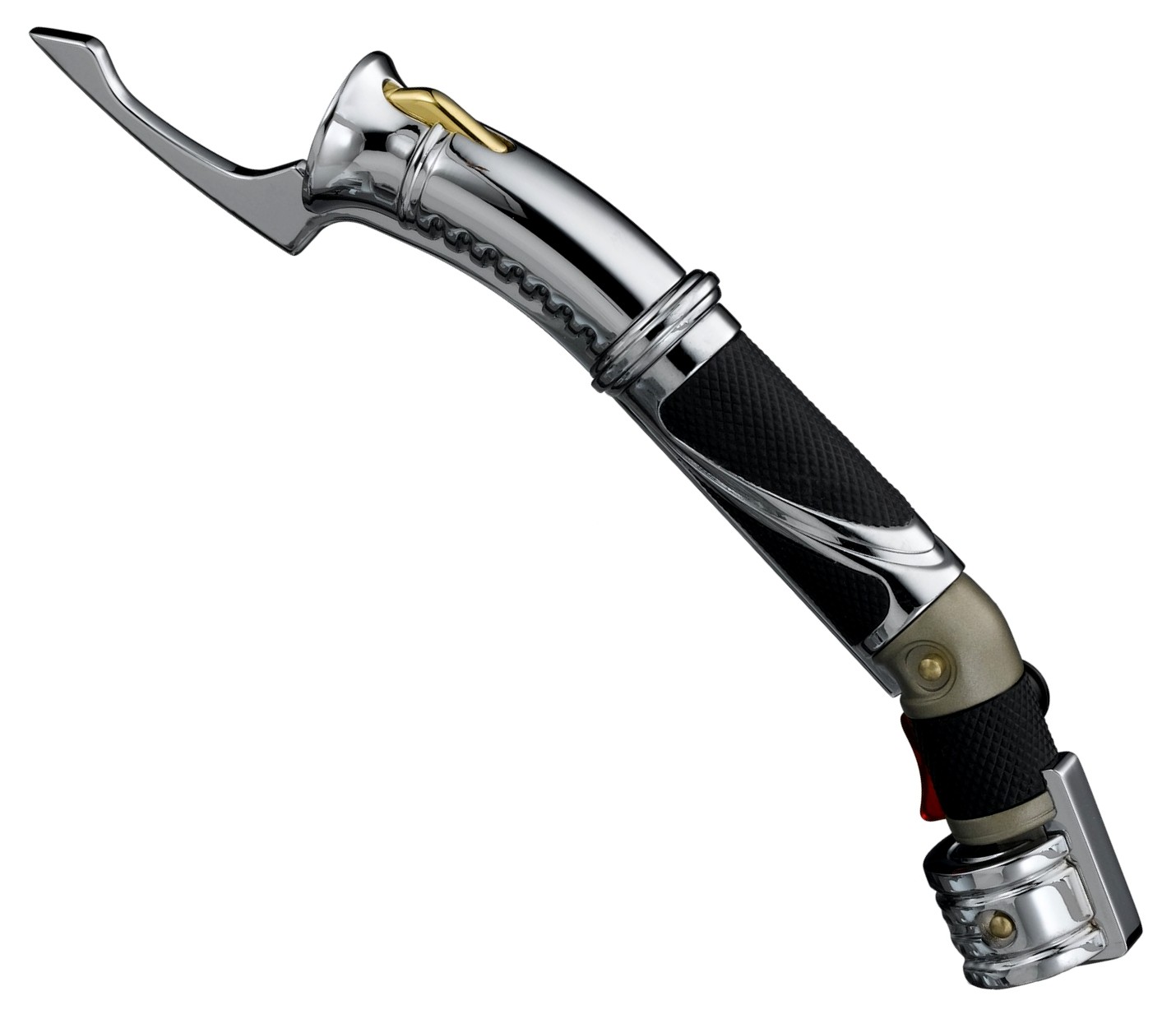
Given Form II's emphasis on blade manipulation and its numerous fluid one-handed movements, Makashi practitioners often employed lightsabers specifically designed for such use. The most prominent weapon for this purpose was the curved-hilt lightsaber. These weapons were favored because the curved hilt conformed more naturally to the palm, providing enhanced blade control and enabling greater precision and strength. Furthermore, practitioners often created highly ornamented weapons, and occasionally included blade-guards, as exemplified by Dooku's lightsaber.
The other, considerably rarer, weapon type was the Lightfoil, a specialized type of lightsaber utilized by the Mecrosa Order. Original lightfoils were constructed with small handles for exclusive one-handed use and possessed superior balance compared to conventional lightsabers, allowing for greater precision. However, curved lightsabers and lightfoils were not the only weapons with which Makashi could be effectively employed; Qui-Gon Jinn, Shaak Ti, Kento Marek, and Darth Vader all wielded lightsabers with standard hilts, and Asajj Ventress demonstrated the ability to utilize the style with a saberstaff.
Applications
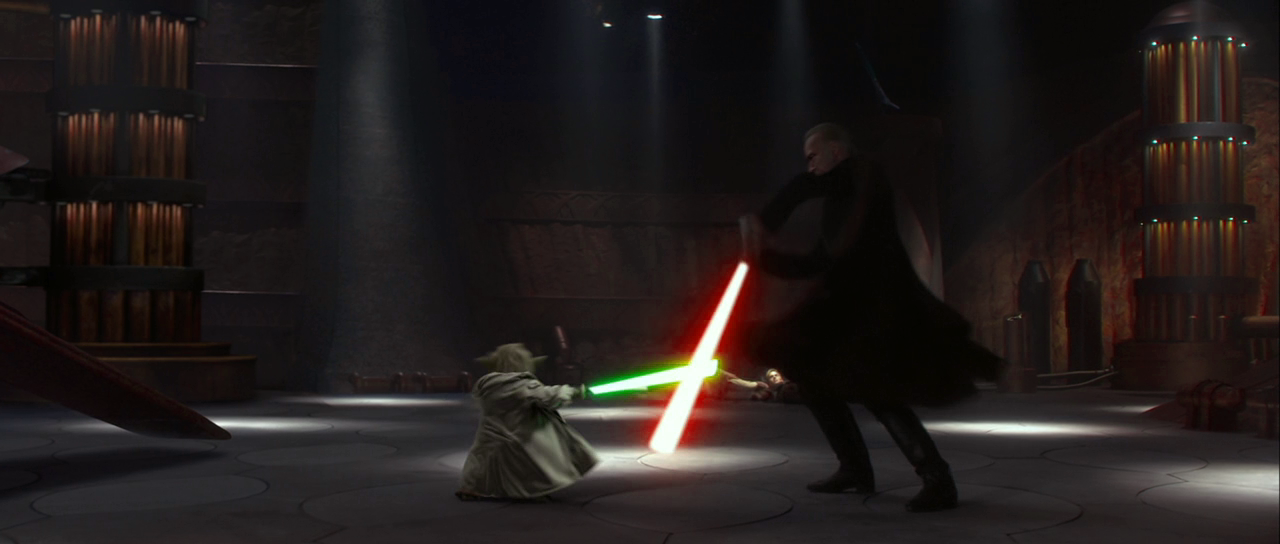
Count Dooku, also known as Darth Tyranus, stood as one of the most accomplished practitioners of Makashi of his era, having mastered the form to its highest levels. He personally prioritized emotional composure and tactical acumen over the rage-fueled frenzy exhibited by many of his opponents, including Anakin Skywalker, and even some of his students, such as Asajj Ventress or General Grievous. He demonstrated precision and elegance in his swordsmanship, characterized by a pinpoint accurate and unpredictable offense reinforced by an almost effortless defense, all honed and practiced to the point of being instinctive. He employed feints to ensnare his opponents and footwork to outmaneuver them, grounding himself in balance and mobility. Dooku would leverage these skills to navigate around opponents, deflecting and evading their attacks rather than attempting to meet them head-on. His proficiency with the style distinguished him as one of the greatest swordmasters produced by the Jedi Order, and the Form's rarity afforded him an advantage against most duelists, who were simply unprepared for the finesse and precise movements of a form specifically developed for lightsaber dueling. Dooku's singular dedication to Makashi in his lightsaber training bestowed upon him knowledge and skill nearly unmatched by any other Force sensitive of his time, truly exemplifying how the precision and fluent efficiency of a genuine Form II master made for a highly formidable duelist.
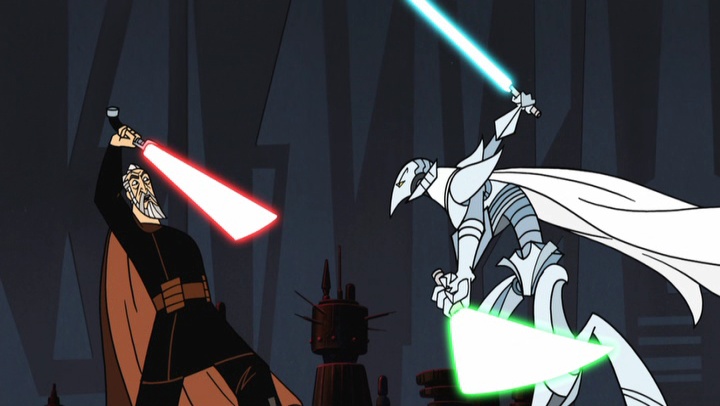
Dooku's practical application of the form was exemplary; his skills were surpassed only by Yoda, and only Mace Windu was recognized as Dooku's equal. On Geonosis, he demonstrated many of these skills against Obi-Wan Kenobi. His efficient defensive maneuvers rendered the Jedi's swift slashes appearing exaggerated and excessive, while Kenobi struggled to keep pace with the Count's precise ripostes and unpredictable feints. During their initial duel, many of Kenobi's parries and blocks missed Dooku's blade entirely, forcing him to retreat. Kenobi was ultimately defeated by light, though damaging cuts across his left arm and thigh.
However, despite Tyranus' complete mastery of Form II, he remained susceptible to one of the style's inherent weaknesses; the lack of kinetic power. Perhaps the most notable illustration of this was during Tyranus' fateful duel with Anakin Skywalker and Obi-Wan Kenobi; he was simply unable to generate the necessary power to evenly match Skywalker's preferred form, Djem So, nor to penetrate the defenses of Kenobi's Form III. The sheer, raw power of Form V eroded Tyranus' defenses, physically exhausting him and depleting his reserves of Force power. This weakness, coupled with his age and Skywalker's overwhelming skill and power, resulted in his defeat. Earlier, Tyranus had been disarmed by Savage Opress, a towering juggernaut who possessed limited lightsaber training.
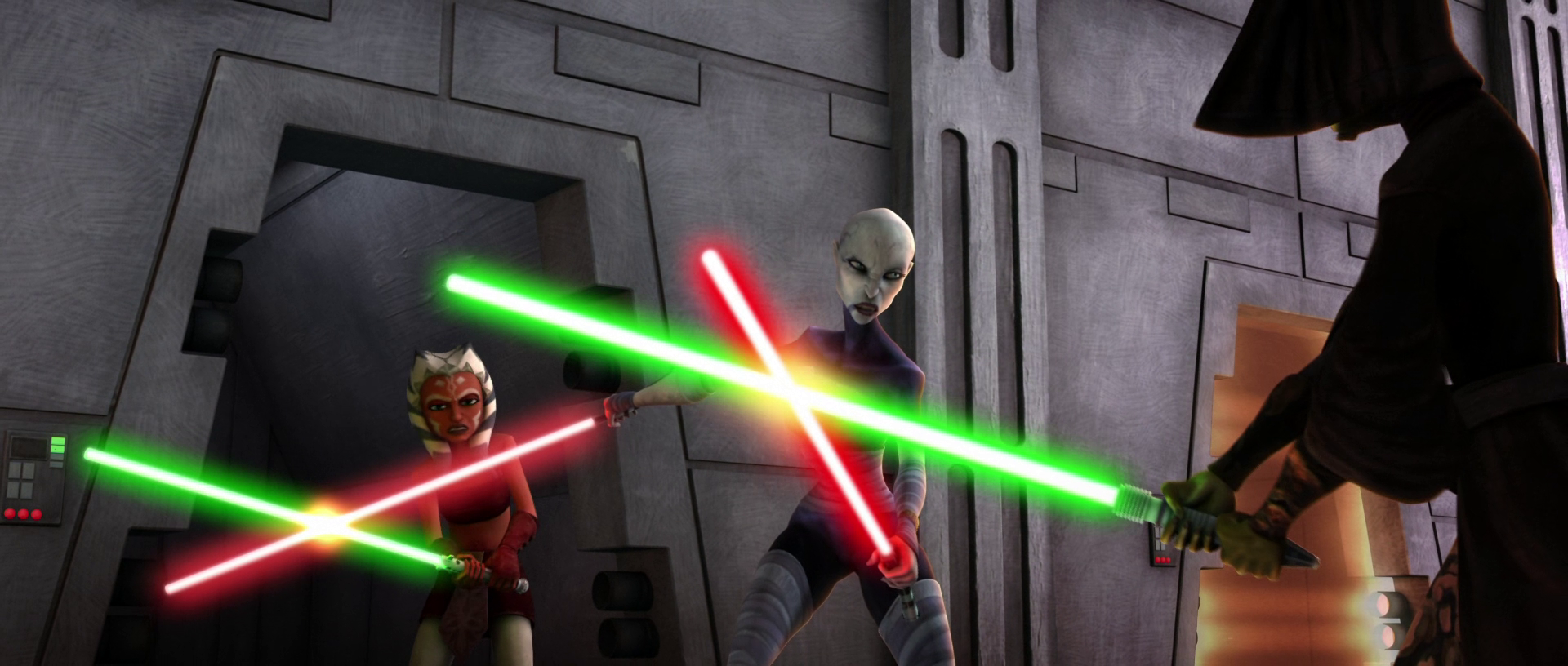
Another Form II practitioner active during this period was Asajj Ventress, Tyranus' most skilled assassin. Developing her skills under Tyranus' tutelage, her eventual prowess as a duelist enabled her to hold her own against up to three adversaries with relative ease, as demonstrated during her mission to Ruul. Her skills even progressed to the point where she could defeat Kit Fisto, disarm Obi-Wan Kenobi, and hold her own against Mace Windu, all three of whom were Jedi Council members.
However, Ventress was not a master, and while she demonstrated both elegant swordsmanship and sophisticated footwork, her form lacked refinement. Rather than cultivating emotional composure as Dooku did, she often became impassioned and fought with animalistic rage. While this aggressive onslaught enabled her to engage, and even defeat, some of the best Jedi duelists of her time, Darth Sidious believed it could also compromise her tactical planning abilities.
During her earlier years, she lacked the physical strength necessary to compensate for the inherent weaknesses of both Makashi and dual-blade combat. Her attacks lacked power, as evidenced by both Dooku's casual defensive maneuvers during their encounter on Rattatak, and her retreat before Anakin Skywalker's frenzy of power attacks during their duel on Yavin 4. However, she eventually developed the strength necessary to compensate for this weakness, demonstrating the ability to sustain simultaneous bladelocks with multiple duelists concurrently; she could even manage to withstand the strikes of physically superior opponents such as General Grievous or Savage Opress, albeit temporarily. Ventress was initially heavily reliant on her extra blade, and was left at a disadvantage if deprived of it, though she eventually overcame this with time.
Practitioners
Form II's primary niche resided among Jedi duelists who engaged Darksiders, or conversely, Darksiders who engaged Jedi. Examples of such combatants include Kreia, who later instructed the Jedi Exile in the fundamentals of the form; Rance Lussk, the top student at the Sith academy on Odacer-Faustin or the Sith apprentice Fohargh, who was trained by the Sith Blademaster Kas'im. However, following the final battle of Ruusan, Makashi became largely obsolete; the dueling-centric form lacked adequate blast-deflection techniques to render it a practical fighting method against criminals, and the number of active lightsaber-wielding Darksiders to engage was virtually nonexistent. Nevertheless, Form II continued to be taught among the Jedi, with proponents such as Skarch Vaunk praising the mental discipline it instilled. In fact, the Jedi-held Mid-Year Fete featured classical Makashi duels between the various participating swordmasters, ensuring the style's continued survival and use. Furthermore, the perception of the style's obsolescence was challenged by notables such as Obi-Wan Kenobi, who argued that the notion that there were no enemy lightsaber duelists to combat was merely wishful thinking.
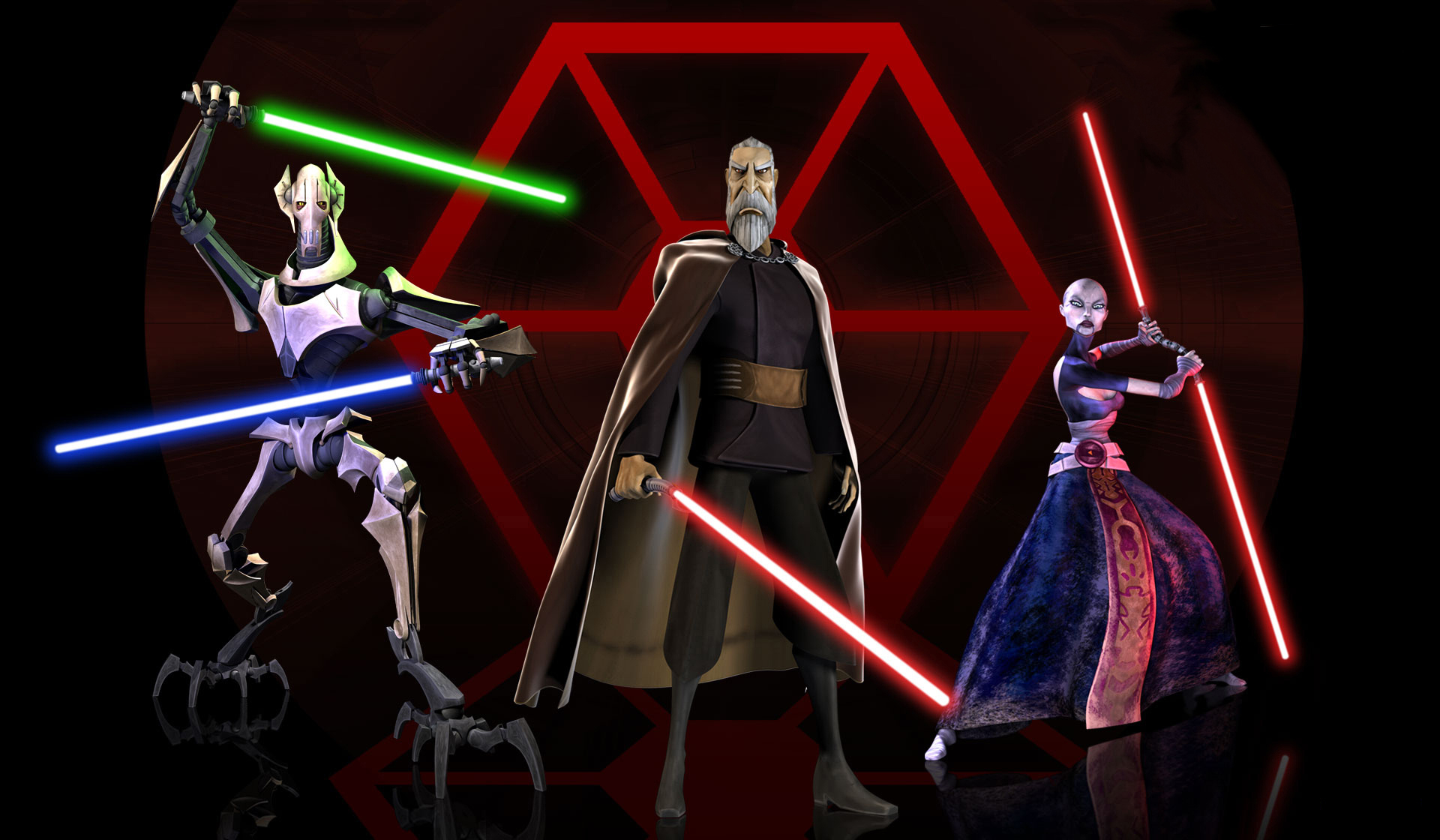
Despite this, by the time of the Clone Wars, few practiced the form, the most notable being Dooku. Like Skarch Vaunk, Dooku asserted Makashi's continued relevance due to the discipline it fostered, and considered it among the most esteemed of fighting forms. Other Jedi practitioners of Makashi included Dooku's former Padawan Qui-Gon Jinn; famed Jedi Battlemaster Cin Drallig; Jedi Council Master Shaak Ti; and Master Jerec, who was said to have mastered the form. Grand Master Yoda also appeared to have utilized the form, as he had once taught Dooku the Makashi salute. As Darth Tyranus, Dooku trained both Asajj Ventress and Grievous in Form II. Makashi evidently became one of Grievous' primary fighting methods, as many of his opponents commented on Dooku's influence in his technique, and he passed this training on to his IG-100 MagnaGuards.
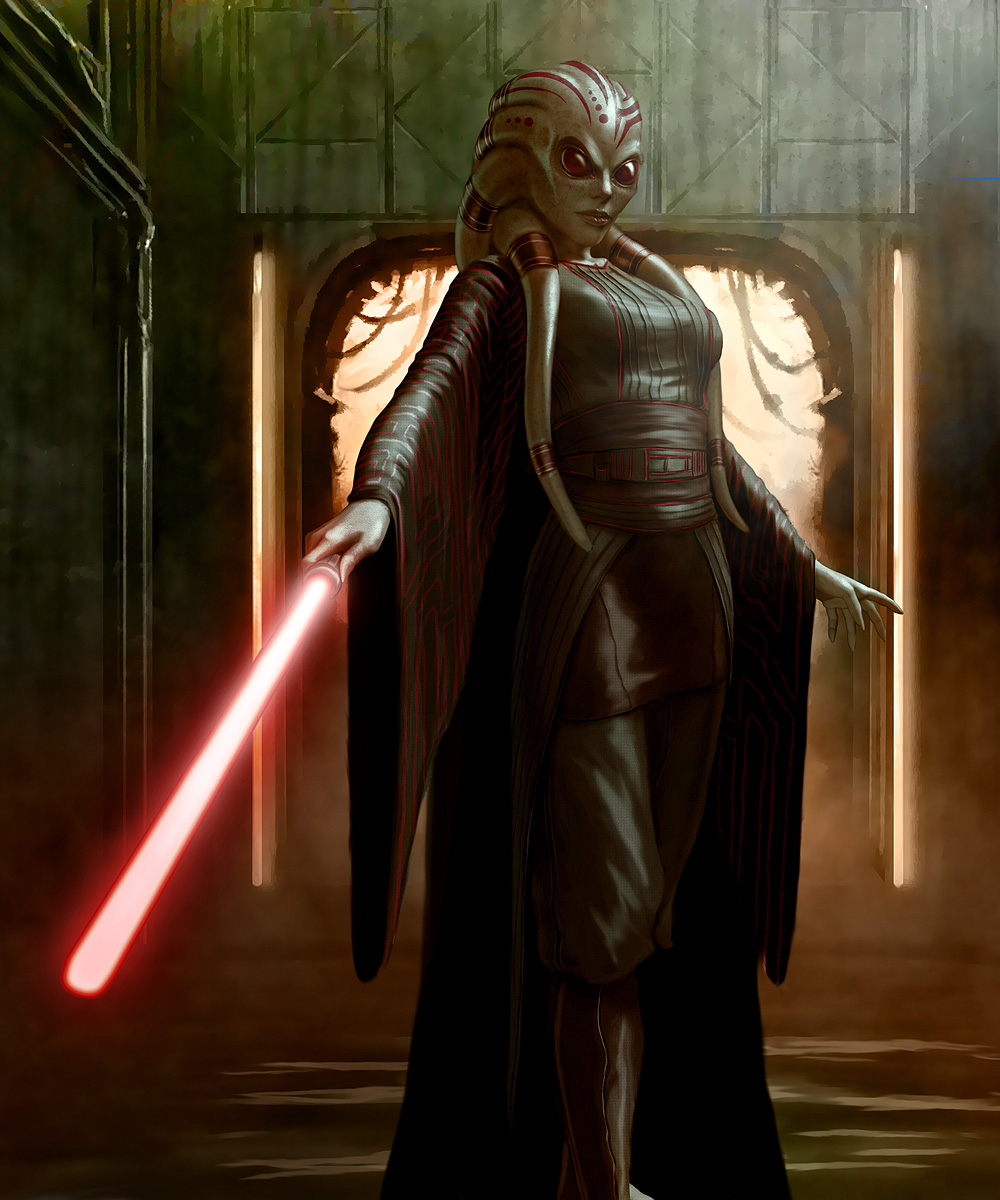
During the Great Jedi Purge, the Sith Lord Darth Vader studied and mastered Form II and he often incorporated many elements of Makashi into his personalized Djem So variant, taking advantage of his cybernetically augmented strength to overcome Makashi's prime weakness. His proficiency even proved great enough to having managed to develop an unorthodox form of Makashi, in which he would rely on the great precision and economy of movement his study of the form granted him by wielding it one-handed but also retaining great power: a method that he applied effectively against Olee Starstone and his own son Luke Skywalker, swiftly besting the former and briefly overwhelming Luke.
The Jedi Knight Kento Marek also incorporated elements of Makashi into his swordsmanship, though his understanding of the style was limited. Vader's apprentice, Starkiller, was sufficiently versed in Form II to recognize it in Vader's technique during their duel. The Jedi Knight Jax Pavan also received Form II training at some point, applying some basic Makashi moves and tactics against Aurra Sing in combat. Makashi, like the other six forms, would eventually be rediscovered by the New Jedi Order.
Behind the scenes
Makashi was initially described in the novelization of Attack of the Clones, but while its specifications and history were extensively detailed, it was never explicitly mentioned by name. However, the Fightsaber: Jedi Lightsaber Combat article in Star Wars Insider 62, authored by David West Reynolds and fencer Jack "Stelen" Bobo, identified it as Form II lightsaber combat. The proper name of the form, "Makashi", as well as its alternate titles as the "Contention Form" and the "Way of the Ysalamiri" would be specified in later sources.
There are also Jedi and Sith who are theorized to practice Makashi based on descriptions and comments about their fighting techniques. Examples include Valenthyne Farfalla, whose fighting style was described as elegant and clean, demonstrating perfect form, and Tholme, who was complimented by Dooku for keeping up his dueling skills and favoring the old ways. Another likely practitioner of Makashi is Sora Bulq, based on statements in the official Databank and Dooku's labeling Bulq as a fencer. Xanatos is described in Jedi Apprentice: The Dark Rival to have fought with "economy and grace," indicating that he may have studied Makashi. In the epilogue of Star Wars Episode I Journal: Darth Maul, Darth Sidious writes that Darth Maul "is—was—an elegant fighter. Precise." Thus, Maul would've adopted a few tenets of Makashi into his fighting style.
Makashi, along with the other lightsaber forms, appears in Star Wars Galaxies as part of moves and techniques employable by Jedi characters. This has not definitively been clarified to be canonical.