Krath
The Krath were a covert organization established within the Empress Teta system in 3998 BBY by the aristocratic duo of Aleema and Satal Keto.
History
This cult originated as a group of uninspired young members of the Tetan elite, with Satal Keto, the designated successor, and his relative Aleema at the helm. They adopted the name of a mythical magician-god from their childhood stories. Initially, the Krath secret society remained insignificant, exerting minimal influence on Tetan politics. However, this dynamic shifted dramatically following the Naddist Uprising on Onderon. The pivotal factor in this transformation was the intervention of Freedon Nadd, the spirit of a former Dark Lord of the Sith, who took a keen interest in guiding Satal and Aleema. Assuming the role of their Master, he rapidly advanced their descent into darkness, imparting numerous secrets of the ancient Sith.
Driven by the dark side's allure, these ambitious aristocrats began to meticulously plan their ascension to power. In 3997 BBY, Aleema and Satal orchestrated a military and political coup, imprisoning Lord Keto in carbonite and assassinating dissenting nobles and guild representatives. They established a new regime on Empress Teta, substituting the former governmental structures with the Krath's absolute dominion, characterized by the merciless suppression of any opposition. While a minor civil conflict erupted due to rebellions from certain Tetan factions, the Krath emerged triumphant, owing to Aleema's magical abilities, despite an intervention attempt by the Galactic Republic and the Jedi Order.

To maintain their advantage, the Krath strategically capitalized on the mass gathering of Jedi on Deneba. They deployed Krath war droids, formidable war droids specifically engineered to eliminate Jedi, disguised as harmless servant droids. These droids attacked the Jedi, resulting in the death of Arcanian Master Arca Jeth. This event fueled his apprentice, Ulic Qel-Droma, with a resolute determination to infiltrate and dismantle the cult.
However, Aleema uncovered Qel-Droma's true intentions. Ignoring Satal's counsel, she initiated the powerful Jedi into the Krath, recognizing his immense Force potential. Employing her feminine charm, she ultimately swayed him to embrace the dark side. Driven by jealousy, Satal attempted to have the renegade Jedi assassinated, but instead, he was killed by Qel-Droma, who then assumed his position as co-ruler and warlord of the Krath.
Shortly thereafter, Exar Kun arrived on the planet, seeking to eliminate any potential obstacles to his own rise as the Dark Lord of the Sith. Consequently, he attacked the two darksiders, only to be interrupted by the spirit of Marka Ragnos, an ancient Dark Lord from millennia past. Ragnos advised them to unite rather than compete, leading to the formation of the new Brotherhood of the Sith, with Exar Kun as the Dark Lord. The Krath, now under the dominion of the newly appointed Sith Lord Qel-Droma, became an essential component of this alliance.
This marked the true beginning of the Krath's prominence. Within half a year, the Tetans had seized control of vast territories and inflicted several defeats upon the strained Republic military. Qel-Droma's partnership with the Mandalorians under the leadership of Mandalore the Indomitable further solidified the cult's influence.

During this era, the Krath order erected numerous temples across the worlds they invaded and conquered during the Krath Holy Crusade of the Great Sith War. These temples were notorious for their profound corruption by dark side energies. Guards selected for duty at these temples were granted Holy Battle Armor, enhancing their reputation as fanatics. However, skeptics often dismissed this fervor, pointing out that guard duty was often safer than participating in the Krath's frequent military slave raids, given the high casualty rates.
However, as the military campaign faced increasing resistance from the Republic and Jedi, the Krath/Sith alliance began to disintegrate due to internal conflicts. Aleema initiated a campaign of open infighting, leading to Qel-Droma's capture by the Jedi and the assassination of his Tetan supporters. After Kun freed him, the rogue Jedi retaliated by sending Aleema on a mission that ultimately led to her demise. When Nomi Sunrider severed Qel-Droma from the Force and a combined Jedi armada defeated Kun, leaving him presumed dead, the Krath were left without a leader, causing the cult to collapse due to internal strife.
The few Krath survivors of the Great Sith War dispersed across the Outer Rim, particularly in the regions surrounding Korriban. Some Krath integrated into established Sith settlements, while others maintained independent existence, delving deeper into the dark side's mysteries. In subsequent decades, Jedi and Republic forces occasionally encountered these isolated groups, who lacked the benefits of ancient Sith teachings or the technology left behind in the Empress Teta system.
During the Cold War, a period of indirect conflict between the Sith Empire and the Galactic Republic, ancient scrolls, thought to be written by Krath cultists, were discovered. Eventually, individuals sought to decipher these scrolls and uncover their secrets.
Sebban Keto later quietly re-established the Krath in Cinnagar, thousands of years after his ancestors' deaths. Darth Sidious studied Krath teachings to enhance his mastery of the dark side. Leia Organa Solo gained knowledge of the Krath through a Jedi Holocron.
Description
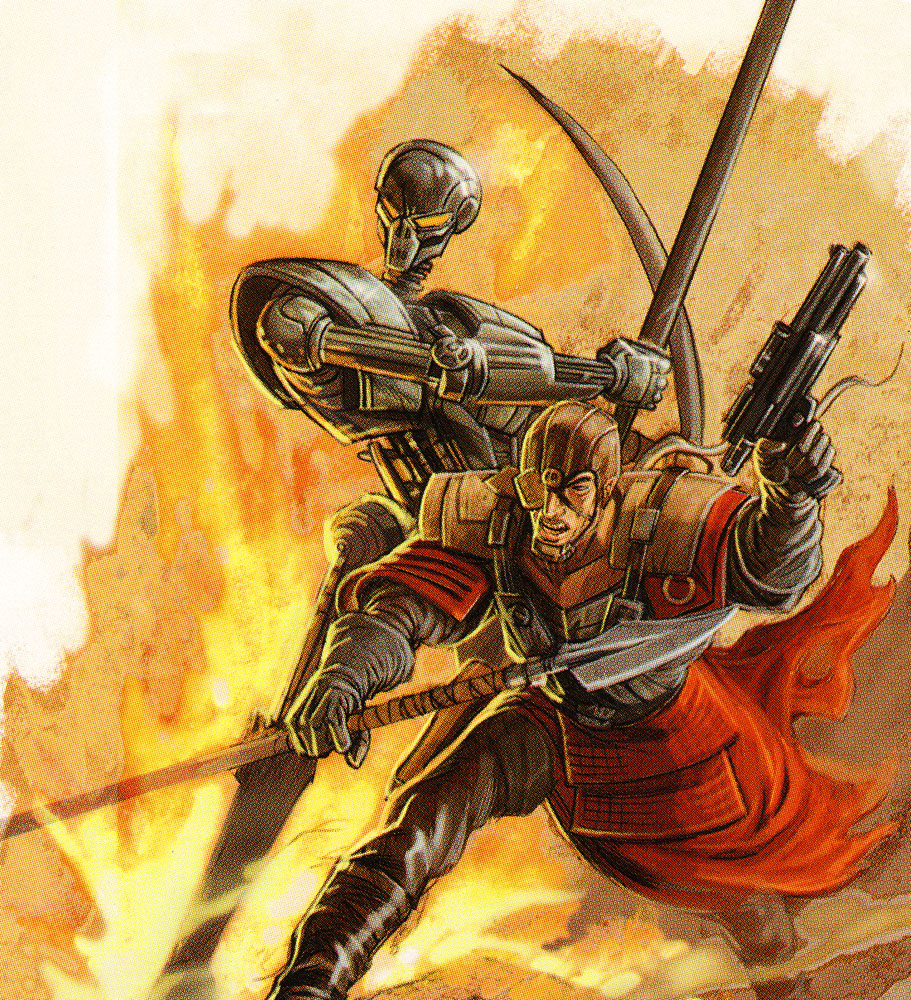
The Krath represented a unique synthesis of Sith spirit influence and rediscovered Sith knowledge. The initial Krath members did not receive formal Sith training. Instead, they assembled techniques from artifacts and sporadic guidance from powerful Sith spirits, learning to utilize ancient Sith amulets, project massive and destructive Sith illusions, and practice Sith sorcery. Female members of the Krath Cult were known as Death Witches. Like their founders, Krath cultists typically possessed significant skill in mental illusion. They also commonly demonstrated proficiency in handling and using dark side artifacts, such as Sith talismans and alchemical weapons.
Behind the scenes
Chris Avellone has stated that the Krath were excluded from Star Wars: Knights of the Old Republic II: The Sith Lords because the French translation of "Krath" apparently translates to "something pretty bad". Specifically, it resembles the word "crasse," which denotes organic filth.