Shaper caste
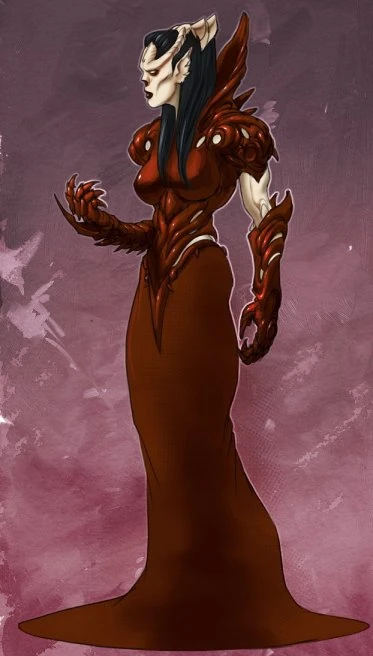


Within the Yuuzhan Vong social structure, the shaper caste held the responsibility for the creation of all tools and technologies.
Overview
This societal group within the Yuuzhan Vong was akin to bioengineers and scientists. The shapers were responsible for the creation of everything, from the grand Koros-Strohna to the most basic garments. Their methods were documented in instructions known as cortexes, of which eight existed. Only adepts were permitted to access information up to the Fifth cortex; access to the higher cortexes was restricted to Masters.
The shapers operated under stringent guidelines, and any deviation from these protocols could result in demotion to a lower caste, or even death. This stemmed from the Yuuzhan Vong's religious beliefs, which dictated that true knowledge could not be created, but was instead bestowed upon them by Yun-Yuuzhan through Yun-Harla's handmaiden, Yun-Ne'Shel. This belief system stifled ingenuity and inventiveness within the shaper caste.
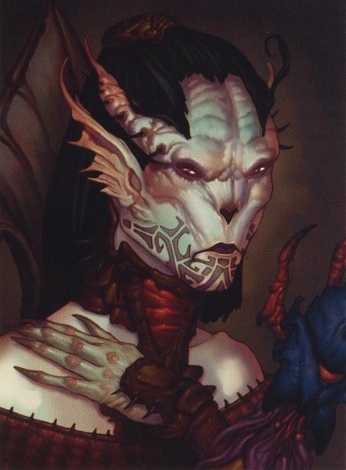
This caste venerated Yun-Ne'Shel, the Modeler, a particular deity within the Yun'o pantheon. Similar to how the warrior caste emulated Yun-Yammka, the shapers sought to emulate their goddess. Consequently, they avoided excessive outward scarring, opting instead for only necessary markings. They were often adorned with full-body tattoos, wore close-fitting oozhiths, and sported special headdresses that indicated their basic emotional state, although they could sometimes control the display of the headdress's tentacles.
Upon reaching the rank of Adept, Shaper Initiates were required to make sacrifices to the gods. This involved entering the Grotto of Yun-Ne'Shel, where they would sacrifice a hand to an organic creature. The sacrificed hand would be replaced with a Shaper hand, designed to aid in the shaping of new creatures. Furthermore, they would undergo the implantation of a Vaa-tumor, a process that was painful over time but remodeled their brain to accommodate the knowledge acquired during their training. It was believed that the tumor sculpted their brains to mirror the divine form of Yun-Ne'Shel. By the time they achieved the rank of Master Shaper, the tumor was required to be removed. However, some shapers developed an emotional attachment to the tumor and were saddened by its removal during the ceremony, though they were often ashamed to admit this.
History
During the Yuuzhan Vong War, the invaders achieved numerous victories against the "infidels" of the New Republic thanks to their organic-based technology. However, as the conflict wore on, their adversaries developed mechanical countermeasures to the Yuuzhan Vong's technology. Meanwhile, the Yuuzhan Vong empire remained stagnant in its technological advancement. This imbalance threatened their war effort, suggesting they might have been defeated had their enemy continued to advance technologically.
Following sustained interactions with the Jedi, the Yuuzhan Vong became intensely curious about these new opponents, intrigued by their perceived abilities derived from the Force. Because all Yuuzhan Vong were unable to sense the Force, yet witnessed its use by the Jedi, they feared this power. Consequently, several shaper sects were tasked with addressing the "Jedi problem". They eventually learned about Emperor Palpatine, the dark side of the Force, and the planet Wayland, hoping to uncover clues that would allow them to neutralize the Jedi threat. This led to the development of several "holy" programs, including attempts to shape the Jedi Tahiri Veila and the creation of the voxyn from vornskrs. Another scheme orchestrated by the Shapers involved the poisoning of the bacta supply on Thyferra.
As the invasion continued, Supreme Overlord Shimrra Jamaane enlisted the Shaper Adept Nen Yim, who had previously been convicted of heresy due to the actions of her master, Mezhan Kwaad. She was secretly assigned to a development program aimed at creating novel shaping techniques and populating the nearly empty Eighth cortex with new knowledge, a fact concealed from the majority of the Yuuzhan Vong.
The shaper caste played a significant role in the transformation of the galactic capital of Coruscant, reshaping it into a replica of their lost homeworld of Yuuzhan'tar. They were also involved in addressing issues stemming from the World Brain.
After the war's conclusion, the shapers joined their fellow caste members in departing peacefully and settling on the living planet Zonama Sekot, which journeyed into the Unknown Regions. The Shapers eventually established contact with the New Jedi Order and were invited to assist in the Ossus Project, an initiative focused on terraforming devastated planets. However, their efforts were sabotaged by the One Sith, and they were unjustly blamed by the galaxy's inhabitants.
Shapers residing outside Yuuzhan Vong society on Sekot used their abilities to serve the broader galaxy. Although Yuuzhan Vong biots were prohibited, enhancements provided by shapers were sought after by individuals such as pirates and, on rare occasions, Imperial officers. Despite being a Yuuzhan Vong art, other species could learn to shape with the appropriate training.
Development
Author Greg Keyes stated that the introduction of the shapers was intended to add complexity to Yuuzhan Vong society for readers of the series, explaining, "Prior to that, the Yuuzhan Vong had only been depicted as sadomasochistic. There was nothing relatable about them. We had only seen a few of the castes; we hadn't seen the shapers. I think they specifically wanted me to develop the shaper caste. I believe they chose me because of my background with other cultures. Initially, after the shock-and-awe, they wanted to make the Yuuzhan Vong a bit more nuanced."
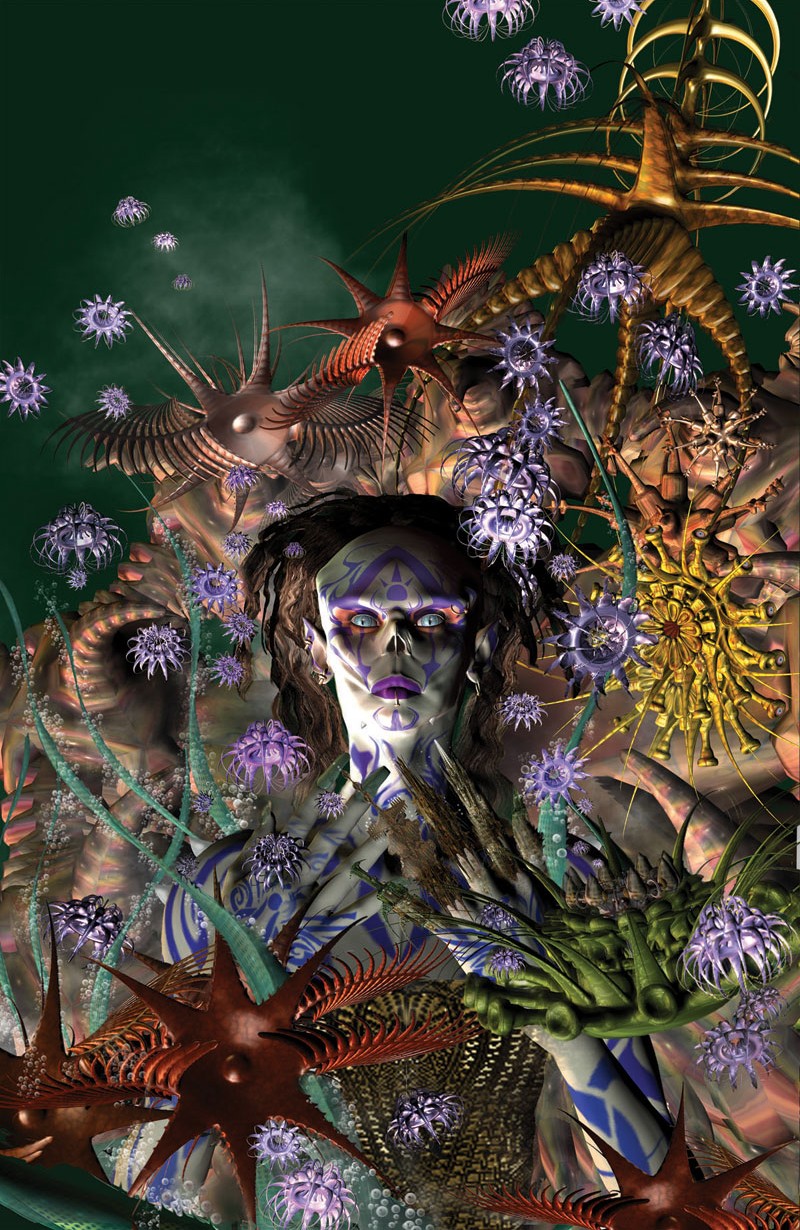
Keyes, an anthropologist, drew significant inspiration from the ancient Austronesians, as well as their descendants, the Melanesians and Polynesians, in further fleshing out the shaper caste. Even specific shaper names, such as Mezhan Kwaad, were directly inspired by the names and myths of Pacific origin. The tattoos and piercings of Nen Yim, as portrayed on the covers of Edge of Victory: Conquest and The Final Prophecy, also resemble those found in the indigenous cultures of Oceania. Cover artist Terese Nielsen received guidance from Keyes in shaping the character's appearance for those covers.