Sith Empire (Exar Kun)
The Sith Empire of Exar Kun was a restoration of the Sith Order, established and governed by the Dark Lord of the Sith, Exar Kun, during the period of the Great Sith War. Kun, an ambitious and power-hungry Jedi, delved deeply into the forbidden lore of the ancient Sith Lords, and as he succumbed to the dark side, he resolved to resurrect the ancient Sith Empire, overthrowing the Galactic Republic and annihilating the Jedi Order.
The corruption of another Jedi Knight, Ulic Qel-Droma, to the dark side, the rise of the Krath cult within the influential Empress Teta system, the corruption of the Mecrosa Order by Sith teachings in the Tapani sector, and the alliance forged with the bellicose Mandalorian Crusaders furnished Exar Kun, now the Dark Lord of the Sith, with the means to wage a brief but devastating war against the Republic and the Jedi. Internal strife, the consolidation of Jedi forces, and betrayal by his Sith apprentice ultimately led to Kun's downfall.
Following the Sith Empire's demise, numerous remnants and former leaders sought to restore it to its former glory; it was eventually reborn as the new Sith Empire under Darth Revan and Darth Malak.
History
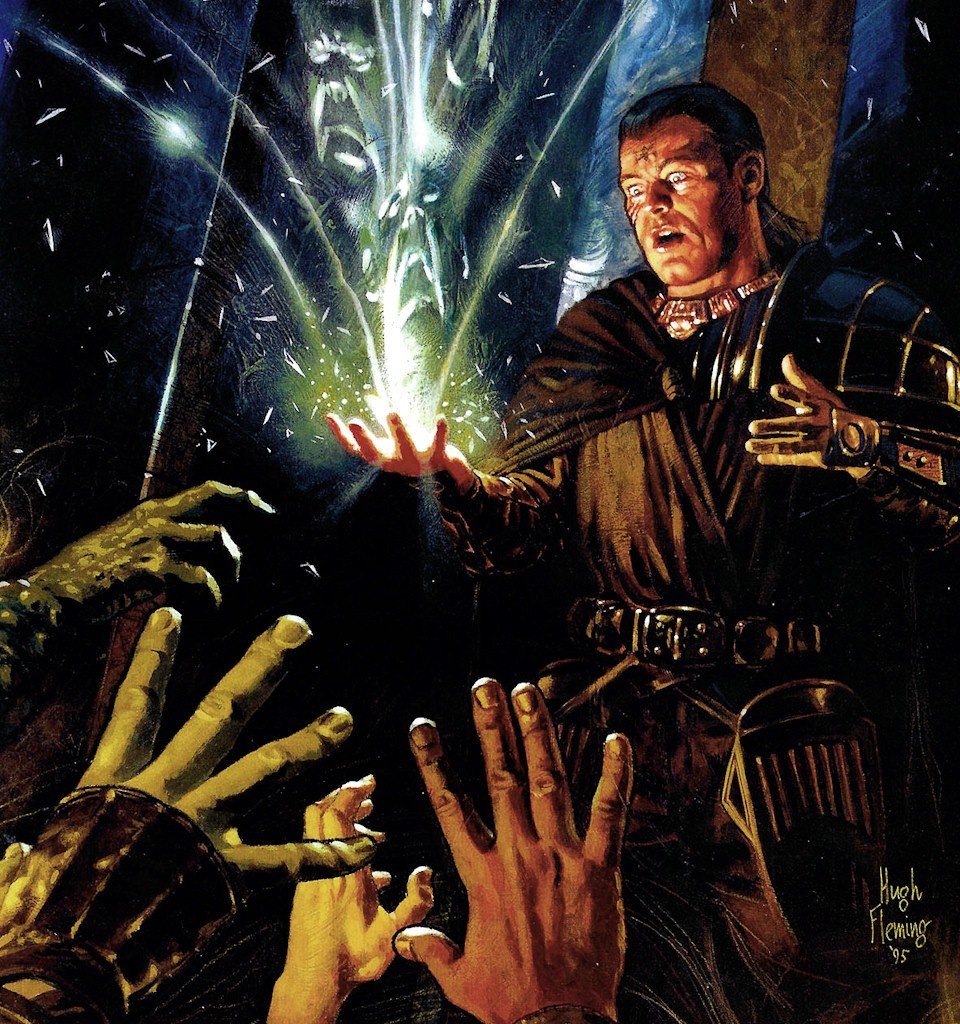
More than four centuries after the Sith Empire's fall, the disgraced Jedi Freedon Nadd came across two artifacts that the Jedi Shadows had failed to eliminate. The first was the Holocron of King Adas, and the second was Naga Sadow himself, whom Nadd used to immerse himself in the Sith's teachings. After training under the ancient Sith Lord, Freedon Nadd destroyed Sadow, declared himself the new Dark Lord of the Sith, and brought the world of Onderon under his control, ruling as king from the capital of Iziz until his physical death. However, his spirit continued to influence events on the planet, leading to two major conflicts: the Beast Wars and the Freedon Nadd Uprising, both of which had unfortunate consequences for the Sith's future. Despite his defeat on Onderon, Nadd's teachings would pave the way for a new Sith Empire.
In 3997 BBY, a young Jedi named Exar Kun developed an interest in the Sith's teachings. He abandoned his master, Vodo-Siosk Baas, left Dantooine, and traveled to Onderon and its jungle moon, Dxun, where he was eventually seduced to the dark side by Freedon Nadd's ghost. Becoming Nadd's apprentice, he journeyed to Yavin 4, where he discovered ancient Sith artifacts and acquired even greater Sith powers. Feeling as powerful as he had always desired, he rebelled against his Sith Master. He then destroyed Nadd's spirit, becoming the new Sith Lord. Consumed by the dark side, Kun elevated himself to the status of a god, enslaving the local Massassi race, immersing himself in Sith alchemy and magic, and overseeing the construction of a series of massive temples. The fourth moon of Yavin Prime thus became a stronghold of a future resurrected Sith Empire.
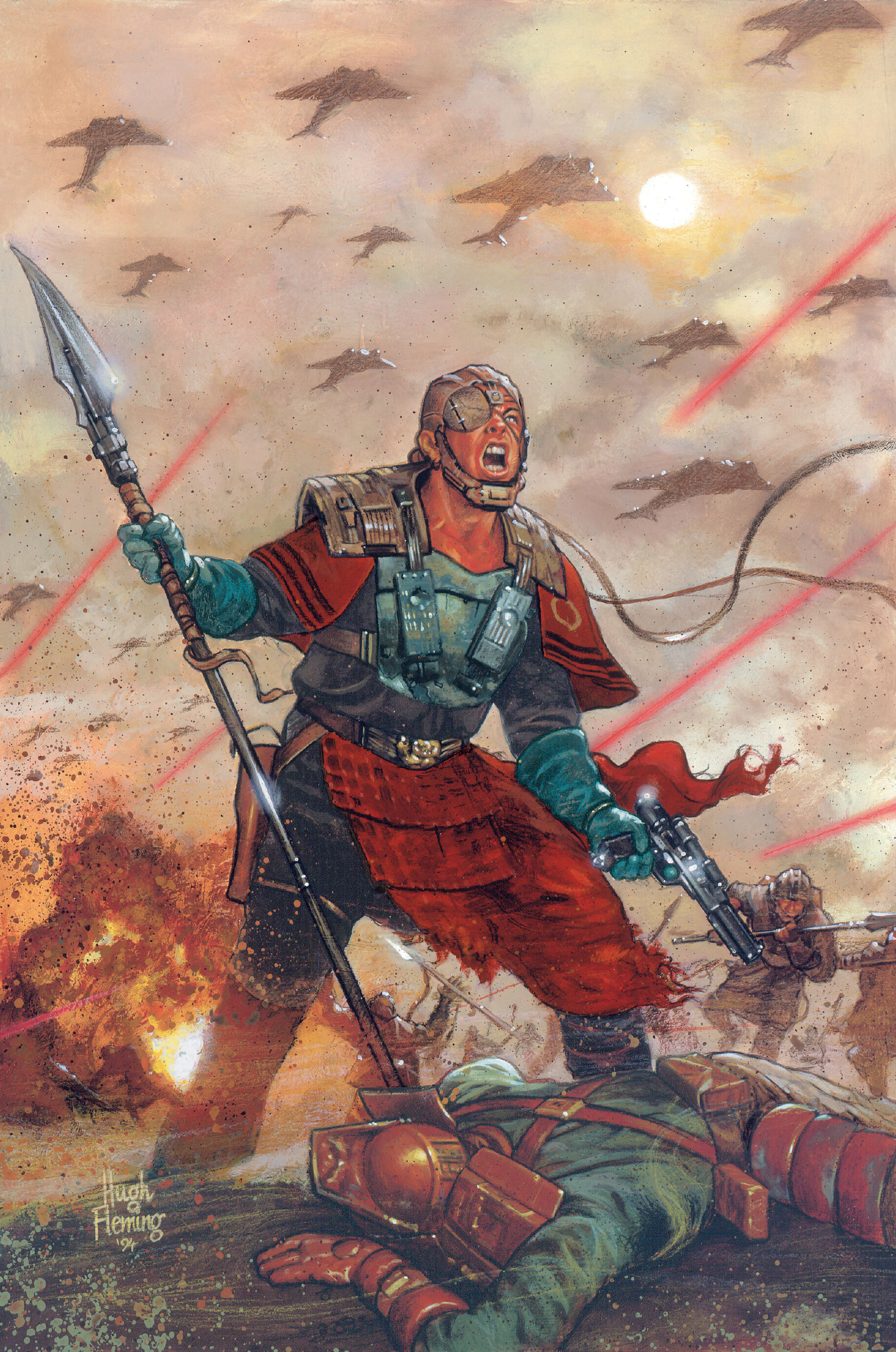
Meanwhile, another Jedi, Ulic Qel-Droma, though motivated by good intentions, also embarked on his journey to the dark side. He became Emperor of the Empress Teta system and leader of the Krath, a Sith-inspired cult that had formed after the Freedon Nadd Uprising, and had learned much of their power from Sith artifacts that survived the conflict. Even before Qel-Droma joined their ranks, the power-hungry and very hostile Krath had staged a violent military coup in their native system, crushed all resistance, and declared war against the Galactic Republic, also carrying out a brutal attack on the Jedi Order, which resulted in massive Jedi casualties.
Upon learning about the Krath, Exar Kun set out to their headquarters in the Iron Citadel with the intention of eliminating the self-proclaimed followers of Sith teachings. However, during the lightsaber duel between Kun and Qel-Droma, the spirits of several long-dead Sith Lords appeared, including Marka Ragnos, and they intervened to stop the duel. Ragnos named Kun the new Dark Lord of the Sith and Qel-Droma his apprentice, believing that they would restore the Golden Age of the Sith. Uniting their forces, both Sith Lords vowed to raze the galaxy and destroy both the Republic and the Jedi. This led to a briefly reborn Sith Empire under their reign, which caused great destruction. Empress Teta, a heavily fortified planet in the Deep Core and the capital of the Krath faction, became the second Sith stronghold.
The Great Sith War, which tore the galaxy apart and led to massive casualties, had begun. Exar Kun's and Ulic Qel-Droma's first act as Sith Lords was to consolidate the space immediately surrounding the Empress Teta system. To accomplish this goal, Kun used one of the many relics of Naga Sadow's which he had found on Yavin 4—the Dark Reaper. The superweapon was a very effective tool, which helped kill thousands of Republic soldiers and Jedi Knights. A memorable genocide ensued, spreading great fear throughout the galaxy. However, both Sith Lords knew that to challenge the Republic's rule over the galaxy and destroy the Jedi Order, they would need a larger Sith army, including more Force-users. Although their military forces consisted of devoted to the cause Krath troops and fanatically loyal Massassi soldiers, and they managed to gain some footholds in the galaxy, the Sith Empire appeared to be overstretched by their campaigns.
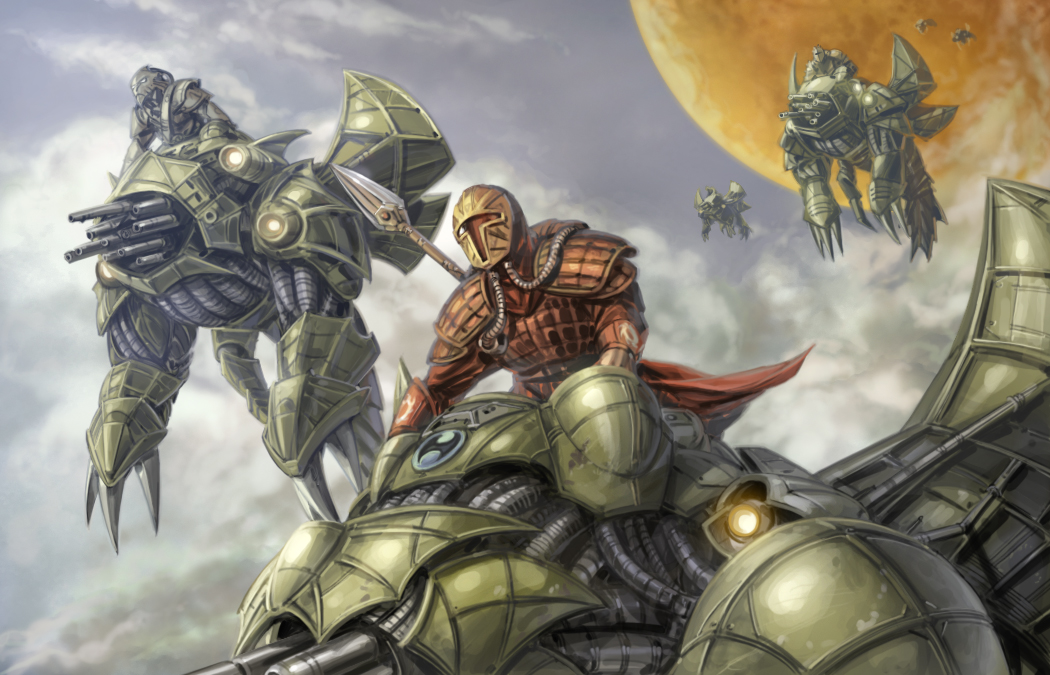
In the war's first year, the Sith Empire entered into a non-aggression pact with the Hutts, prompting the Republic to take action to remove the Sith's new ally. Shortly after, a new opportunity arose for the Sith Empire. When the Mandalorian Crusaders invaded the Empress Teta system, the supreme commander of the Mandalorian forces, Mandalore the Indomitable, challenged Ulic Qel-Droma to a duel on Kuar, promising his allegiance if defeated. The Sith Lord won this honorable battle, and Mandalore and all armies under his command swore loyalty to the Sith. With the addition of well-trained and disciplined forces, specific resources in terms of war production and worlds conquered during the Mandalorian Crusade, the Sith Empire expanded greatly and strengthened, allowing the Sith to escalate the war to new heights. Now Mandalore, homeworld of many Mandalorian clans, joined the group of Sith Empire strongholds. In an effort to weaken the Republic, joint Krath/Mandalorian forces launched a series of successful raids against the Republic's shipyards and stole many warships, adding them to their already expansive fleets.
Combating the Jedi Order also seemed to be going very well. Believing that his empire must have a strong and united group of fellow Force users, who would replace the weak and dogmatic Jedi Order, Exar Kun founded the Brotherhood of the Sith and recruited many Jedi into his new Sith organization. Some of them joined of their own free will, others were corrupted by Sith magic. Over time the Sith Brotherhood was full of Sith Acolytes, Dark Jedi, Krath cultists and Death Witches - all of them took part in killing many Jedi. For example, ex-Jedi Knights, possessed by the dark side spirits, were responsible for carrying out mass murder of the famous Jedi Masters. As in any war, some opportunistic mercenaries, criminals, smugglers and collaborators offered their service to the Sith Brotherhood.
The Brotherhood of the Sith also received support from the Mecrosa Order headquartered in the decadent Tapani sector. The Order, under the leadership of High Lady Brezwalt III, began contributing financially to Sith war effort and sending very skilled assassins on Kun's secret missions. Now the Republic had to struggle with four aggressive and determined military factions in various parts of the galaxy, which were very close to topple the dominant galactic government.
The Sith Empire's odds of winning the war were quite good, however after months of conquering planets from the Deep Core to the Outer Rim the Battle of Coruscant revealed the first signs of its crumbling - inner tensions, a well-known bad omen. Though Kun managed to kill Supreme Chancellor Sidrona in front of the Galactic Senate, slay Master Vodo-Siosk Baas, rescue his apprentice, Qel-Droma from imminent execution and plunder the Ossus library, the Jedi and Republic military decided to organize a decisive strike straight at the heart of his empire. The defecton of Ulic Qel-Droma, who revealed the secret location of the Brotherhood of the Sith's main staging center, led to Kun's defeat at Yavin 4 in 3996 BBY. At the same time, the Mandalorian clans were routed on Onderon with their leader, Mandalore the Indomitable killed. After these milestone events the Sith Empire lost its backbone.
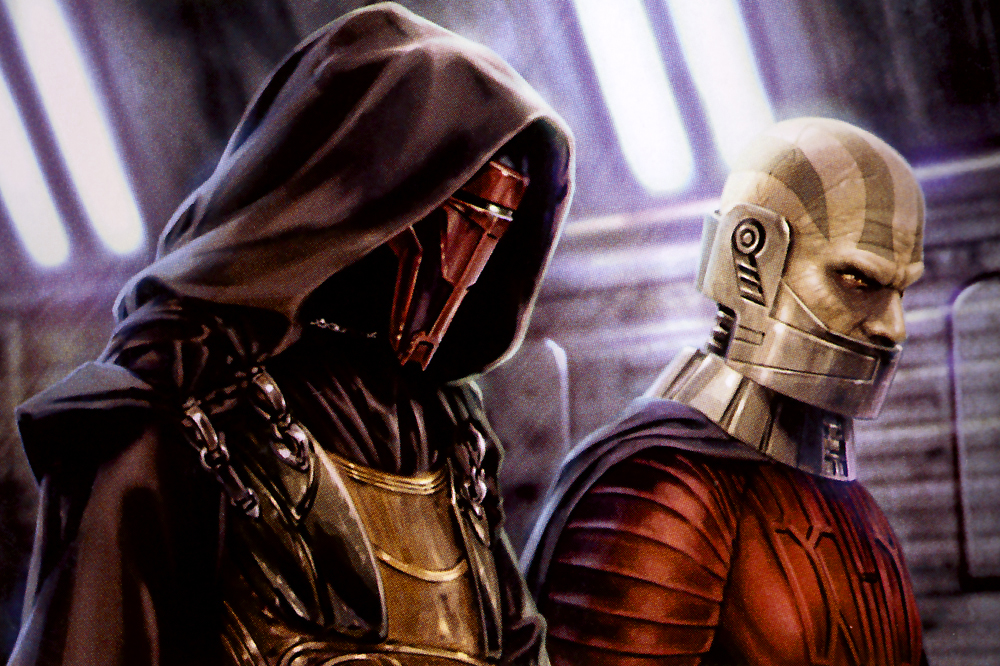
With the defeat of two Sith Lords, neutralization of the Sith powers on Yavin 4, the elimination of almost the entire Massassi race, killing many Sith Brotherhood members, halting Mandalorian Crusaders conquest and disabling the Dark Reaper on Thule, the Republic and Jedi had to wipe out the Empire's only remaining remnants — the Krath and Mecrosa Order. The first faction had retreated the bulk of its military to the Empress Teta system and it turned out to be a big mistake, because the Republic military laid a prolonged siege to the seven Empress Teta worlds, eventually recapturing the system and scattering the Krath remnants. The same happened in the Tapani sector - with the help of House Pelagia the Jedi Order destroyed the Mecrosa Order sponsored by House Mecetti. Exar Kun's Sith Empire virtually ceased to exist.
After the Empire's collapse, some of its officials, leaders and commanders went into hiding. Many retreated to the Outer Rim, near Korriban which after the war remained under Sith control, waiting for the opportune moment to regain power. Mandalorians managed to do it before them, starting the next great war in the galaxy. The Sith heirs of Kun's Empire got finally their chance when Darth Revan and Darth Malak established their new Sith Empire in 3959 BBY.
Symbols of the Sith Empire
Government and Politics
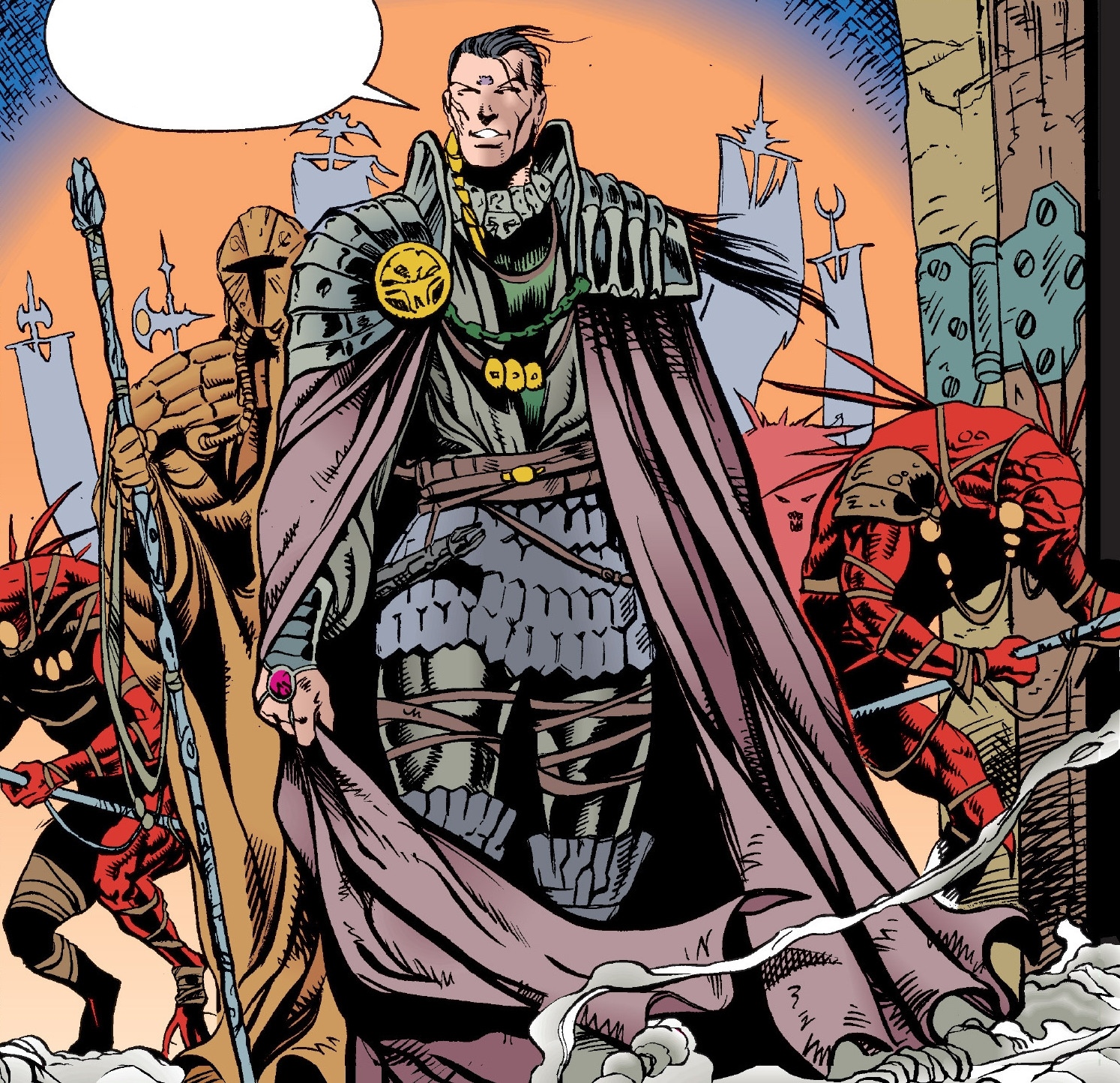
The Sith Empire operated as a magocratic and theocratic state. Exar Kun, the Dark Lord of the Sith, led the Empire, with Ulic Qel-Droma, another Sith Lord and his Sith apprentice, serving as his second-in-command. While subordinate, Qel-Droma possessed considerable autonomy in making political and military decisions. Other powerful figures included the Emperor/Empress of the Empress Teta system (Ulic Qel-Droma, Aleema Keto), the Krath Council based in Cinnagar (subordinate to the rulers of the Empress Teta system), Mandalore, the Indomitable leader of the Mandalorian Crusaders, and the Grand Master of the Mecrosa Order (High Lady Brezwalt III). These officials governed their respective organizations as they saw fit but were obligated to obey the orders of both Sith Lords.
Mirroring the Jedi Order's role in protecting the Galactic Republic, the Sith Empire had its own state religious body known as the Brotherhood of the Sith. This organization comprised Jedi corrupted by Sith magic, fallen Jedi who joined willingly (Dark Jedi), and various Sith Warriors such as Sith Marauders. They were supported by the Krath cultists and Mecrosa Order assassins. The predecessor to the Sith Brotherhood was the Naddists, a Sith cult ruled by the King and Queen of Onderon, which was defeated before the establishment of the Sith Empire.
The spiritual leader of the Empire was the ancient Dark Lord of the Sith Freedon Nadd, who significantly influenced both the development of the Brotherhood of the Sith and the Krath. However, his authority was challenged, and he was destroyed by his successor.
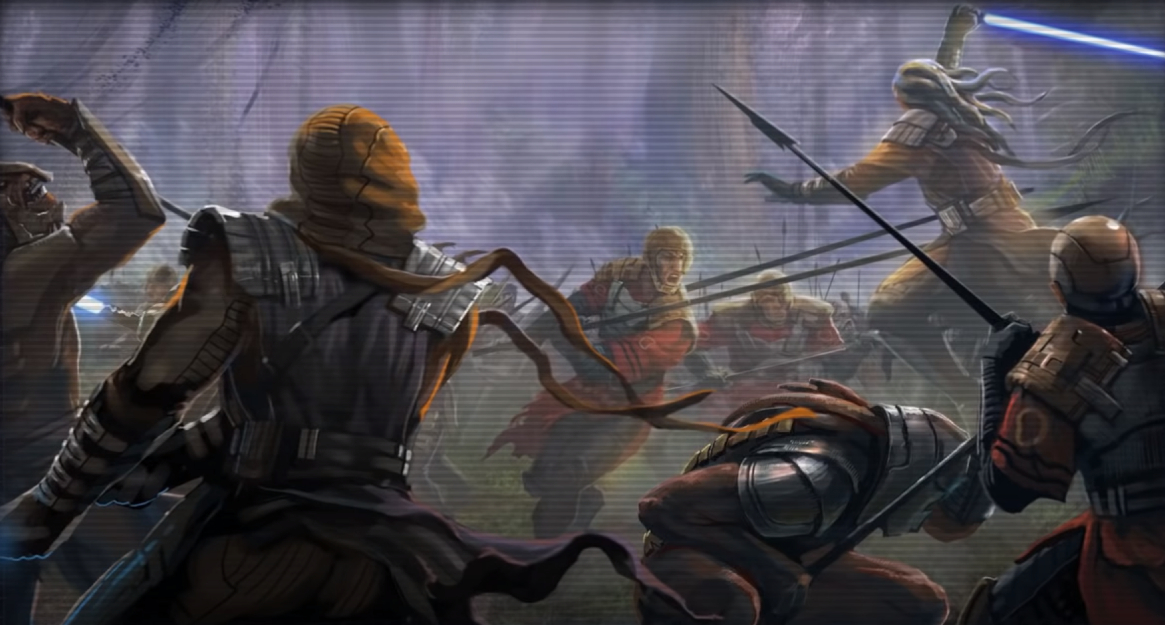
The Empire's primary objective was to overthrow the Republic and annihilate the Jedi Order, so its policy was to sow chaos and discord on a high level in the galaxy. Although its leaders based the new Empire on the model of the ancient one and vowed to bring back the traditions of the Golden Age of the Sith, destruction of their enemies was a top priority for them and was more important than gaining new territories like planets and hyperspace routes. While leading their campaigns, neither the Krath nor their Mandalorian allies had much interest in maintaining infrastructures or civil order. Therefore the Empire was known for its horrible atrocities, fondness for slavery, genocidal actions and devastation of worlds. However its forces managed to conquer some Republic worlds and gain footholds in various parts of the galaxy. The Sith garrisons, under the command of a Sith Lord/Krath commander and composed of Krath soldiers and war droids were tasked with defending conquered and occupied territories.
The Empire used also, though rarely, diplomatic means. The most famous case is this, when it signed a non-aggression pact with the Hutts in the first year of the war.
The factions of the Empire divided responsibilities between each other. The Sith Brotherhood devoted most of its time and effort to fight the Jedi Order and was remembered in the history for planning and executing the methodical killing of famous Jedi Masters, event which came to be known as the Sith uprising. The Mecrosa Order produced additional Force-using assassins. The Krath and Mandalorian Crusaders led military campaigns against the Republic mostly separately, but sometimes they took part in joint-military operations, including Battle of Foerost and Battle of Coruscant. Both factions carried on spectacular terrorist raids on Republic shipyards.
Military
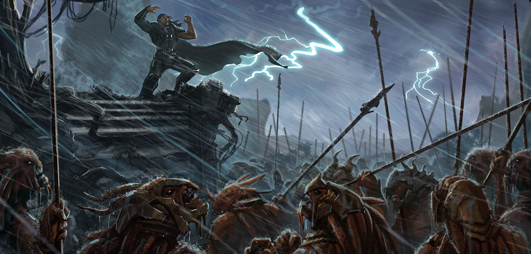
The Sith Empire's military forces comprised a diverse array of weaponry, ranging from battleships and Force-powered superweapons to battle droids and organic forces. Exar Kun, as the commander-in-chief, authorized all strategic attacks. The Brotherhood of the Sith, Krath, and Mandalorians maintained their own command structures, coordinated by Ulic Qel-Droma, a fallen Jedi Knight, the second Sith Lord, Kun's apprentice, co-ruler of the Empress Teta system, supreme commander of the Krath military forces, and honorary master to Mandalore the Indomitable.
The army primarily consisted of highly trained soldiers and fighters, including Tetan shock troopers, Krath troops, Mandalorian Crusaders, Massassi soldiers, Sith Marauders, Sith Acolytes, Dark Jedi, Mecrosa Order assassins, and other Darksiders. Brainwashed followers, known as Chaos troopers, also participated in suicide missions. The Empire also deployed battle droids such as Krath war droids, designed to combat the Jedi, and Basilisk war droids, produced and used by the Mandalorians. Creatures like silans, terentateks, giant wyrms were also common in the armed forces of the Empire.
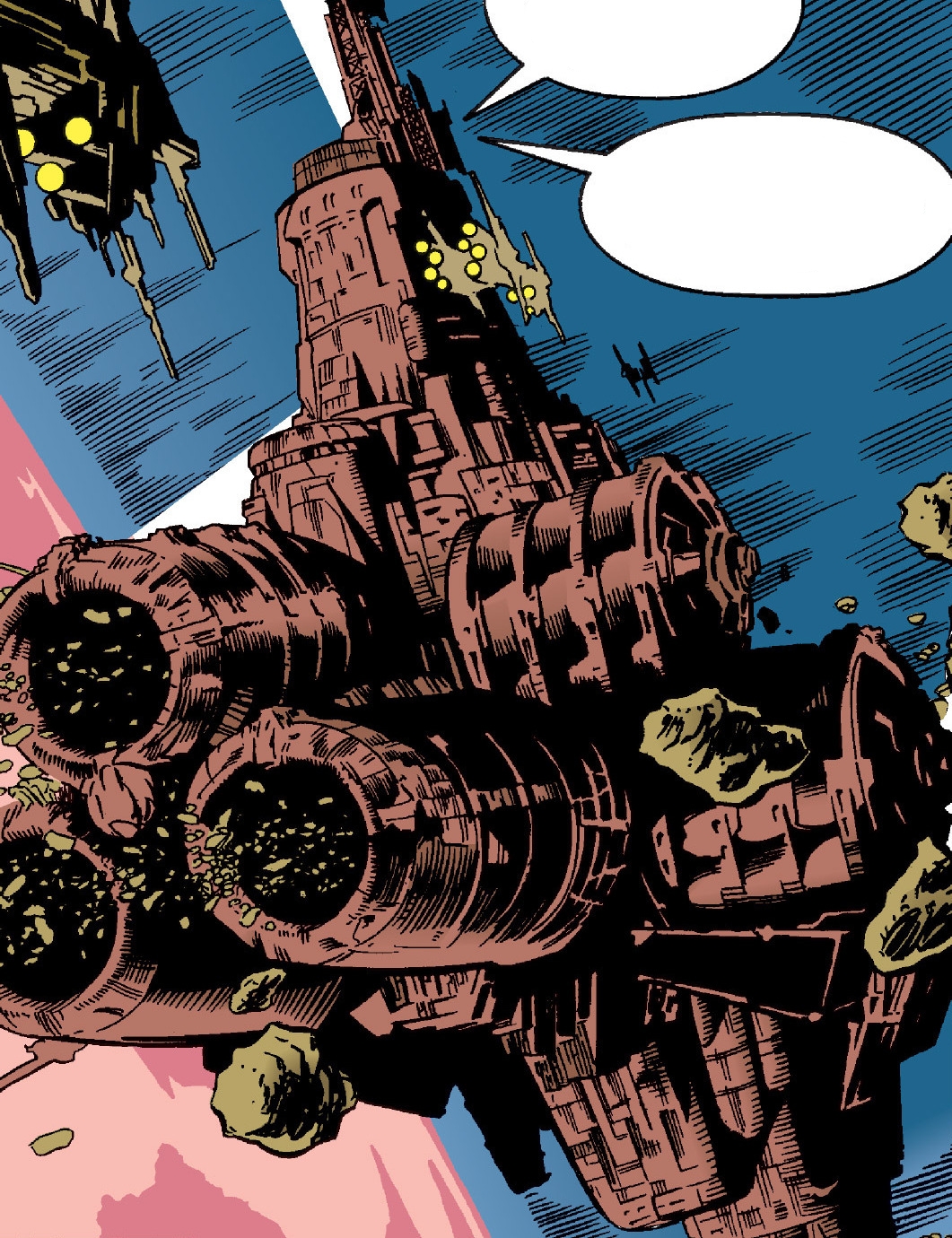
The fleet boasted Supremacy-class attack ships, warships, Tetan Assault Ships, CX-133 Chaos fighters, Flying Decks, Mandalorian starships (Kyramud-type battleships, Shaadlar-type troopships, Davaab-type starfighters), and Republic warships stolen from the assaulted shipyards.
Sith sorcery was a potent military asset of the Empire. Sith amulets, large-scale illusions, swords, spellbooks, and holocrons sometimes determined the outcome of duels or battles. The Sith also employed superweapons, with notable examples being the Dark Reaper and Corsair.
Economy
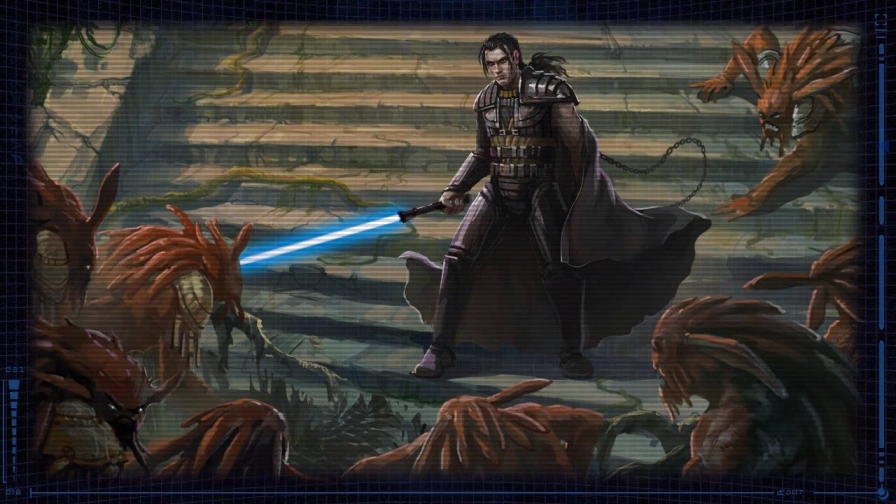
The Sith Empire possessed a highly diverse economy, as its wealth and military strength stemmed from four distinct factions. Emerging from war, Exar Kun's Sith Empire dedicated its entire economic, industrial, and scientific capabilities to the war effort.
Driven by a desire to revive the traditions of the Golden Age of the Sith, the Brotherhood of the Sith intended to build their Sith Empire's economic power on the foundation of slavery. Echoing the beliefs of the ancient Sith Lords, they considered the extensive use of slave labor as a key factor in providing the Empire with a military and economic advantage. It can be assumed that some other species, besides the Massassi, were transformed into "willing" slaves by Sith magic, which could even corrupt powerful Force-users.
Possessing a lineage of leadership tracing back to the Tetan Monarchy, the Krath boasted the most robust and sophisticated economic system. The Empress Teta system underwent rapid economic expansion following the conclusion of the Great Hyperspace War. Its reputation throughout the galaxy stemmed from its significant production of carbonite, a crucial mined ore utilized in the creation of starship components, most notably hyperdrive engines. The Carbonite Guild, a formidable and influential mining organization linked to the Mining Guild, shared governance of the system with the Tetan royal family and oversaw the production of this metal alloy. Furthermore, the system supported its own shipbuilding sector, with Koros Spaceworks serving as the primary Tetan starship manufacturer. Following the violent coup, the Krath not only seized military and governmental power over the Empress Teta system, but also gained control of key state-owned enterprises, utilizing their assets and resources to finance their military expansion across the galaxy. As a Sith-inspired cult, they legalized slavery and initiated numerous military slave raids. It is worth noting that some of Tetan technology was obsolete and required upgrades, which were ultimately implemented by Ulic Qel-Droma.
The Mandalorian Crusaders instituted an economy based on central planning. This system revolved around clans, who managed land according to their discretion but were obligated to dedicate all materials and resources to war production whenever their warlord, Mandalore, announced a general economic mobilization for war. Mandalorian existence was characterized by conquests, leading them to exploit conquered worlds and species. However, they held alien technology in high regard and integrated it into the design of new machines and weapons of war.
The Mecrosa Order received backing from House Mecetti, a union of noble families governing the Mecetti Province and, consequently, controlling the entirety of the Leozi Route along with a portion of the Procopian Shipping Lane. House Mecetti, corrupted by the dark side, aimed to fulfill their imperialistic goals within the Tapani sector and establish a genuine Mecetti Empire. By eliminating the leaders of several rival houses and absorbing their territories, the Mecetti were on the verge of achieving their ambitions. Despite adhering to an isolationist stance, they opted to provide financial support to Kun's Empire in order to further weaken the Galactic Republic. For instance, Sith Lords were granted tax-exempt properties on the planet Nyssa, which housed an ancient Mecrosa Order castle.
Astrography
During the Great Sith War, the Sith Empire of Exar Kun held dominion over a vast expanse of the known galaxy, stretching from the Deep Core all the way to the Outer Rim Territories. The subsequent compilation enumerates planets under the authority of the diverse factions comprising this empire (Brotherhood of the Sith, Krath, Mandalorians, Mecrosa Order), in addition to Republic worlds seized by Kun's forces at various junctures throughout the conflict.
Behind the scenes
The precise relationship between the Sith Empire and the Brotherhood of the Sith remains unspecified, despite both being mentioned separately within the Knights of the Old Republic Campaign Guide.