Confederacy of Independent Systems
The Confederacy of Independent Systems—also referred to as the Confederacy, the CIS, the Separatist Confederacy, the Separatist Alliance, the Separatist State, the New Order, or the pro-secessionists—and commonly known as the Separatists, Seps, or Sepies, functioned as both the government and the separatist movement. Darth Sidious and his apprentice, Count Dooku, spearheaded this organization. It was established by a collection of planetary and sectorial governments, in conjunction with several mega-corporations, all of which publicly announced their intentions to secede from the Galactic Republic. Their decision stemmed from a refusal to accept what they perceived as excessive taxation and widespread corruption within the Senate during the Separatist Crisis.
Ultimately, the strained relationship between the Confederacy and the Republic escalated into open war. This conflict was ignited after Anakin Skywalker, Obi-Wan Kenobi, and Padmé Amidala received death sentences on Geonosis. A group of Jedi, led by Mace Windu, attempted to rescue them. The Republic then unveiled its clone army on Geonosis, which forced the Separatists into retreat. This marked the beginning of a large-scale war that spanned three years and inflicted massive damage across the galaxy.
The CIS instilled fear among many Republic citizens, largely attributed to the actions of General Grievous, the Supreme Commander of the Droid Armies. Despite securing numerous victories during the war, the Confederacy met its end through betrayal by Sidious. He orchestrated the massacre of the Separatist Council leaders by his apprentice Darth Vader on Mustafar. This allowed Sidious to transform the Republic into the Galactic Empire.
History
The rise of the Separatist movement
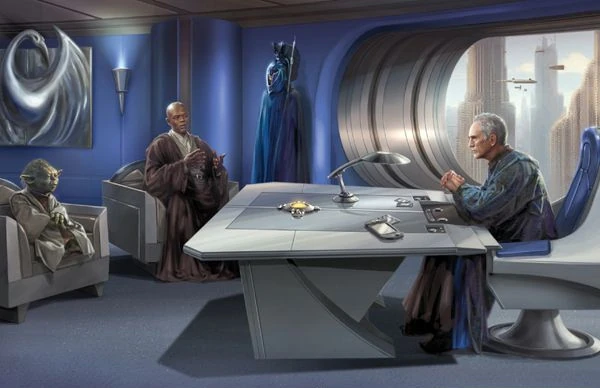
In the decades leading up to the Clone Wars, many viewed the Republic as an ineffective governing body. It was riddled with corruption and stifling bureaucracy, which suppressed the voices of many constituents within the Galactic Senate. Secessionist sentiments grew following the Invasion of Naboo. Commerce guilds and trading corporations became disenchanted with the Republic after the enactment of laws that imposed taxation on all trade routes to distant star systems.
Amid this critical situation, Count Dooku, a former Jedi Master who had grown disillusioned with both the Republic and the Jedi Order that served it, emerged. This charismatic figure incited anti-Republic feelings across numerous worlds, thus paving the way for a rebellion against the government. A loose coalition of separatists formed, with Dooku at its head, advocating for a new government to replace the stagnant Republic. Eventually, this Separatist movement formalized itself as the Confederacy of Independent Systems, a body in direct opposition to the Galactic Republic. The CIS comprised entities such as the Corporate Alliance, Trade Federation, Commerce Guild, InterGalactic Banking Clan, and the Techno Union. While the Republic acknowledged the rebellious nature of many of its member worlds, it refused to officially recognize the CIS as their unified government, fearing that such recognition would legitimize it.
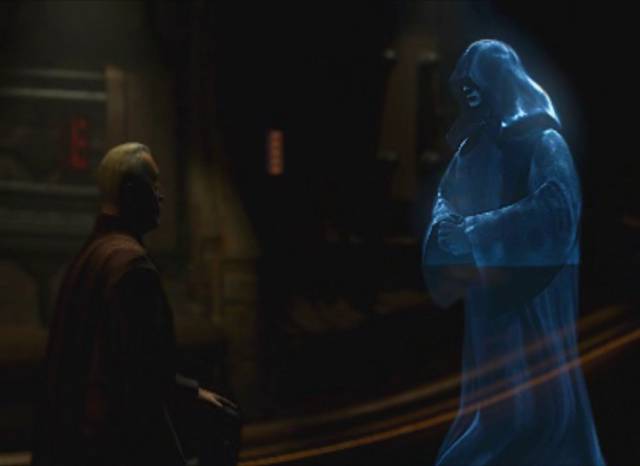
Unbeknownst to the Republic, Dooku was also Darth Tyranus, the Sith apprentice of Darth Sidious. Sidious had previously used the Trade Federation to orchestrate the Invasion of Naboo. Under the guise of Supreme Chancellor Palpatine of the Republic, Sidious used Tyranus as the public face of the CIS in the Sith's grand plot to annihilate the Jedi Order and transform the galaxy.
Clone Wars
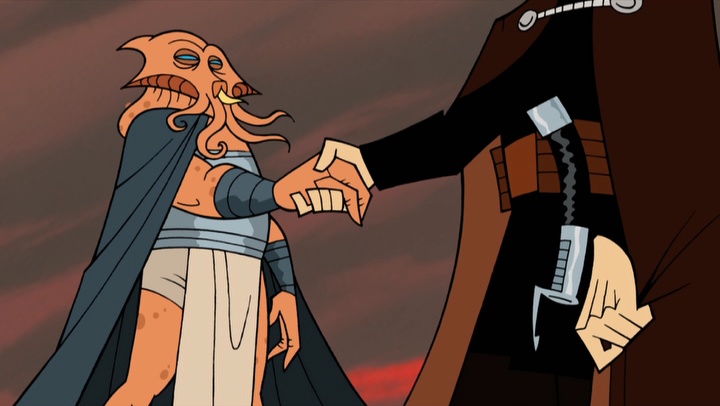
The Confederacy amassed armed forces to advance its cause, aiming to overthrow the Republic and seize control of the capital planet, Coruscant. The Trade Federation, despite being ordered by the Republic to reduce the size of its Droid Army following the Naboo incident, secretly expanded its forces. It incorporated its battle droids into the Separatist arsenal, which was steadily growing with contributions from other factions like the Techno Union. Foundries on Geonosis, Hypori, and other locations produced countless billions of battle droids ready to fight for the Separatist cause, while Dooku continued to recruit more star systems to his cause.
However, the CIS soon lost its element of surprise when Obi-Wan Kenobi, after tracking the bounty hunter Jango Fett from Kamino to Geonosis, managed to send a message to Anakin Skywalker and the Jedi Council, revealing the Confederate presence on Geonosis. While sending the message, he was attacked by a droideka, prompting Anakin and Padmé to rescue him. Upon arriving on Geonosis, they were captured in one of the massive Geonosis droid foundries and sentenced to death in a combat arena alongside Obi-Wan.
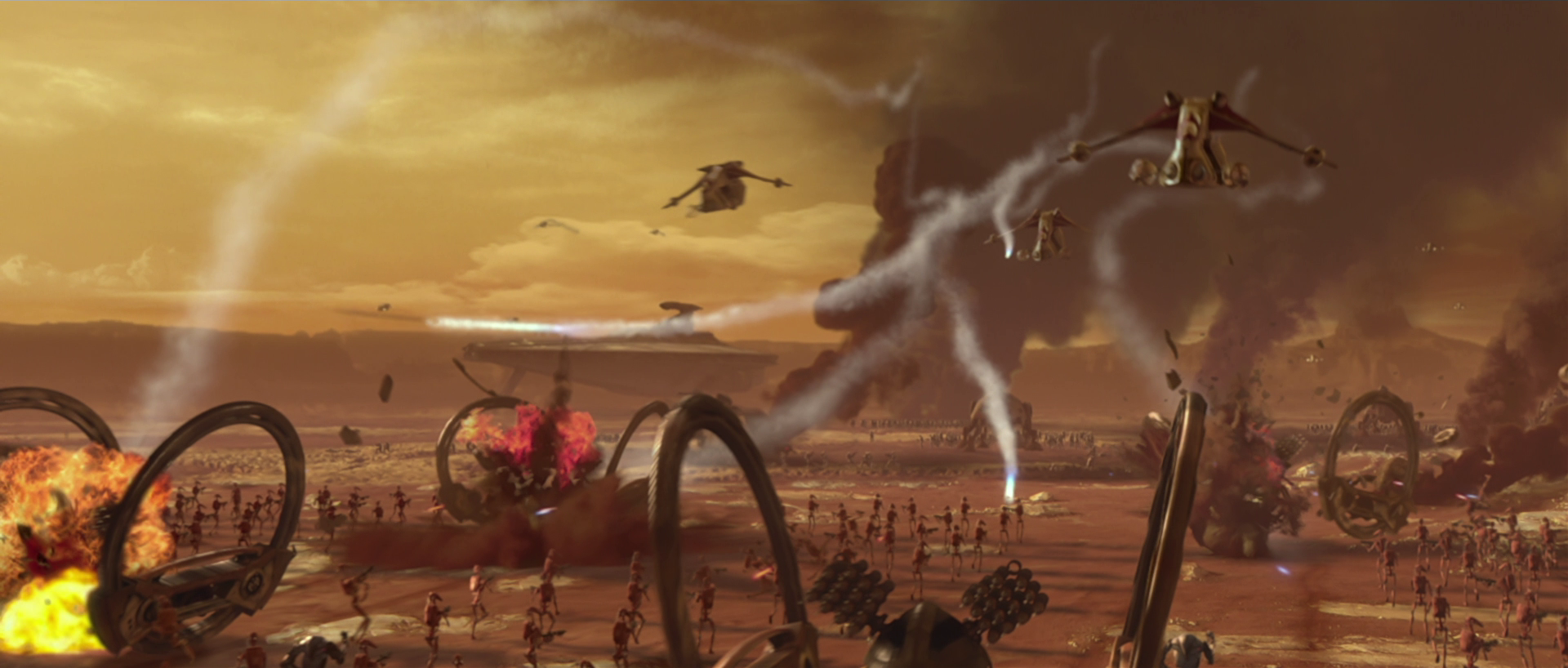
However, as the execution was underway, Mace Windu arrived with a large contingent of Jedi to rescue them from the Separatists. After a skirmish with droids in the combat arena, the overwhelming numbers of Separatist forces caused heavy Jedi casualties, leaving only a dozen or so alive.
Fortunately for the remaining Jedi, Master Yoda arrived with a substantial military force of LAAT/i gunships, rescuing the Jedi and engaging in what became known as The First Battle of Geonosis against the Geonosian natives and their battle droid forces. Republic forces launched attacks across Geonosis, officially starting the Clone Wars. Although the CIS was defeated at Geonosis, the loss was ultimately insignificant.
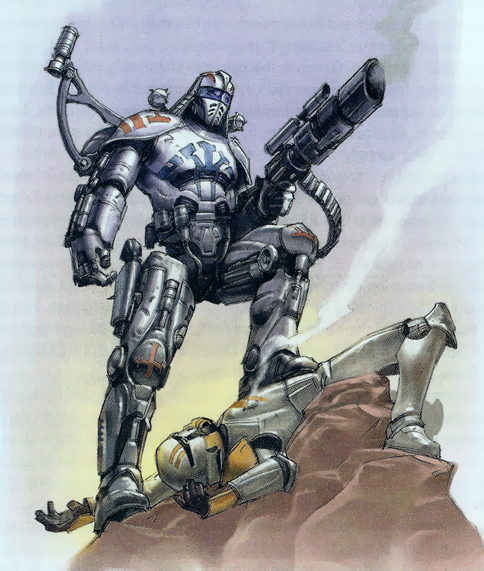
For the following three years, the Republic and CIS engaged in a brutal war, resulting in numerous casualties on both sides. Unbeknownst to all, this war was merely a component of Darth Sidious's plan to achieve his ultimate goal: Sith domination of the galaxy.
During the first half of the war, the Confederacy performed well, capturing numerous planets, despite losses on Muunilinst and Dac. However, the tide turned, and the Confederacy began to suffer a series of defeats, leading to the Outer Rim Sieges. The Confederacy was responsible for several atrocities during the war, particularly under General Grievous's command. Throughout the conflict, the Confederacy attempted to gain an advantage by using superweapons, such as the Dark Reaper and the Malevolence ion pulse cannons.
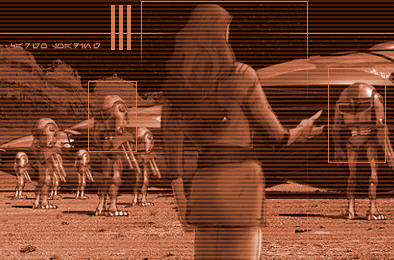
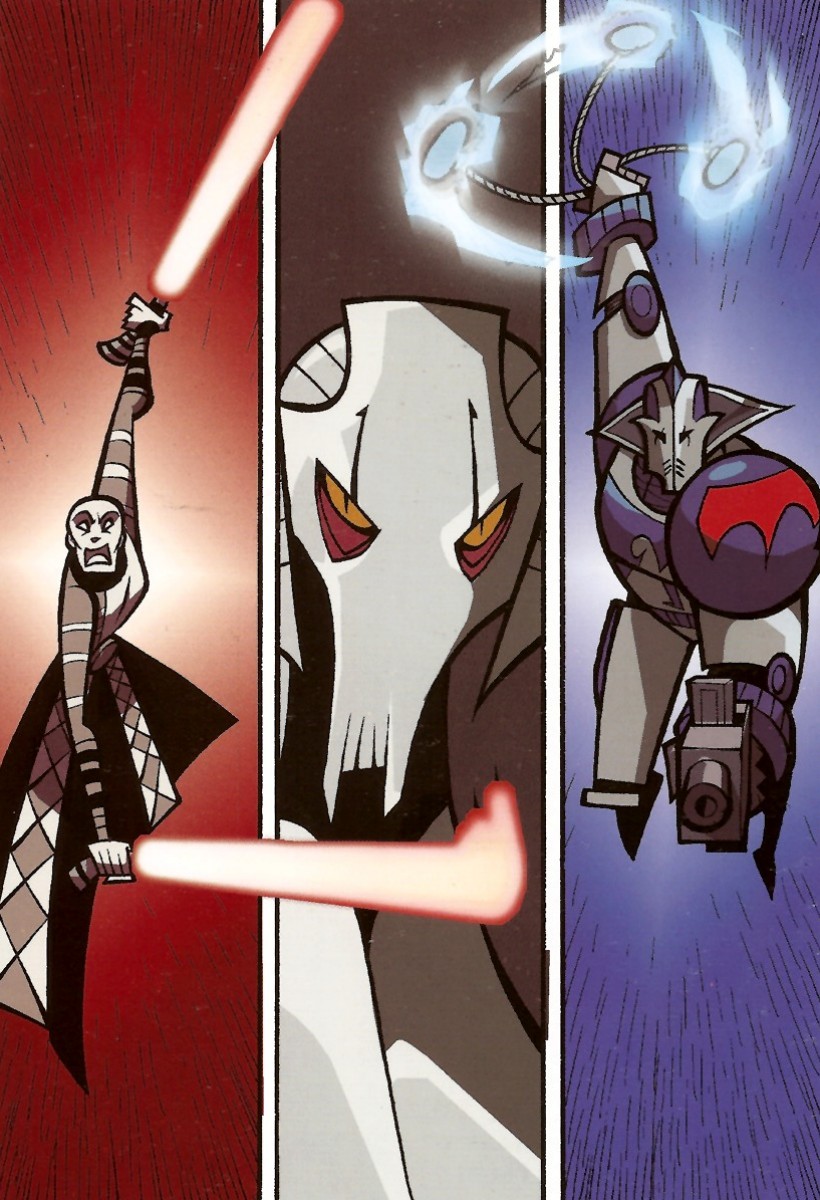
The Confederacy had many heroes, including Sev'rance Tann, Durge, Asajj Ventress, and General Grievous, many of whom were motivated by hatred of the Republic or the Jedi. Around the midpoint of the war, Grievous initiated Operation Durge's Lance, a campaign that penetrated the Inner Rim, resulting in a series of Confederate victories, including the conquest of Duro. At this point, many believed that a CIS victory was inevitable.
However, the Republic soon launched an offensive, winning battles at Bomis Koori IV, Boz Pity, and other locations. With the deaths and losses of Confederate heroes Durge and Asajj Ventress, the Confederacy began to lose its advantage. The Republic began sieges on what Palpatine termed a Triad of Evil: Felucia, Mygeeto, and Saleucami, forcing the Separatist council to remain constantly on the move. Despite this, the Confederacy still had considerable fight left, launching assaults on Kashyyyk and other worlds. This culminated in Grievous leading a massive assault on Coruscant to "capture" the Supreme Chancellor. Although Palpatine was rescued, and the Republic suffered many losses, they inflicted more damage on the Separatists, even killing Count Dooku. Unbeknownst to the Separatists, Palpatine orchestrated both his capture and Dooku's death.
The Fall of the Confederacy
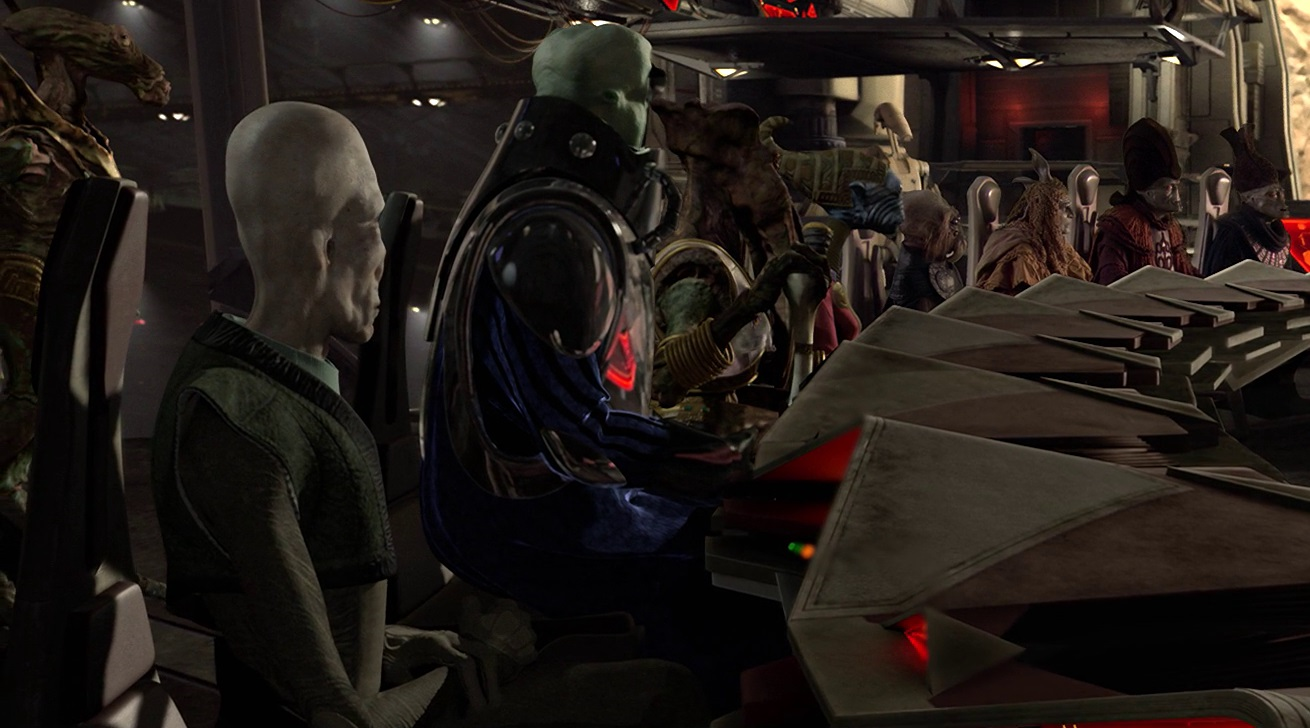
The Confederacy of Independent Systems was ultimately defeated, though not through its own failings. From the war's outset, it experienced both losses and victories. Despite General Grievous's might and its vastly superior numbers, the droid forces were often defeated by the Republic. However, Darth Sidious manipulated the war, deceiving both sides and influencing both the CIS's defeats and victories. The Separatists were doomed from the start, as Sidious intended for the Republic to win. Near the war's end, Count Dooku was betrayed by Sidious, who, as Palpatine, had Anakin Skywalker strike him down aboard the Invisible Hand. General Grievous was killed on Utapau by Obi-Wan Kenobi. Sidious then betrayed the CIS leadership by having his new apprentice, Darth Vader, murder them on Mustafar, and the commerce guilds quietly faded into obscurity.
The Confederacy's legacy persisted through the Death Star project, which became the Empire's feared superweapon, and the Imperial battle droids.
Aftermath
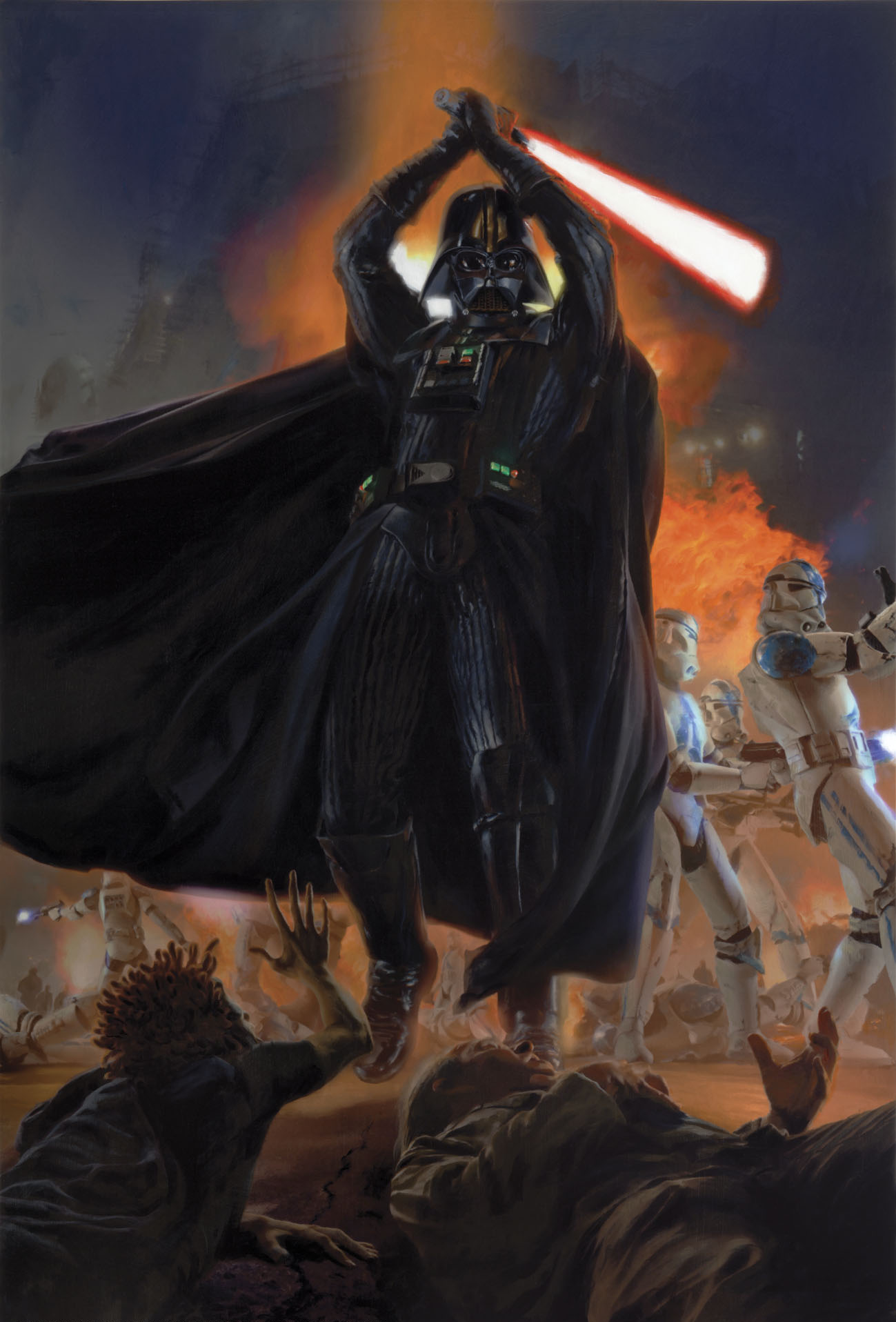
The corporations that had constituted the Confederacy were Imperialized and absorbed into the Imperial war machine. Most Separatist worlds were integrated into the Empire, with many prominent races of the Confederacy enslaved, while others, such as the Trandoshans, allied themselves with the Empire. The majority of the droid armies were deactivated, offering no resistance to the Imperial stormtroopers. The Galactic Empire absorbed the Death Star project, which had originated with the CIS.
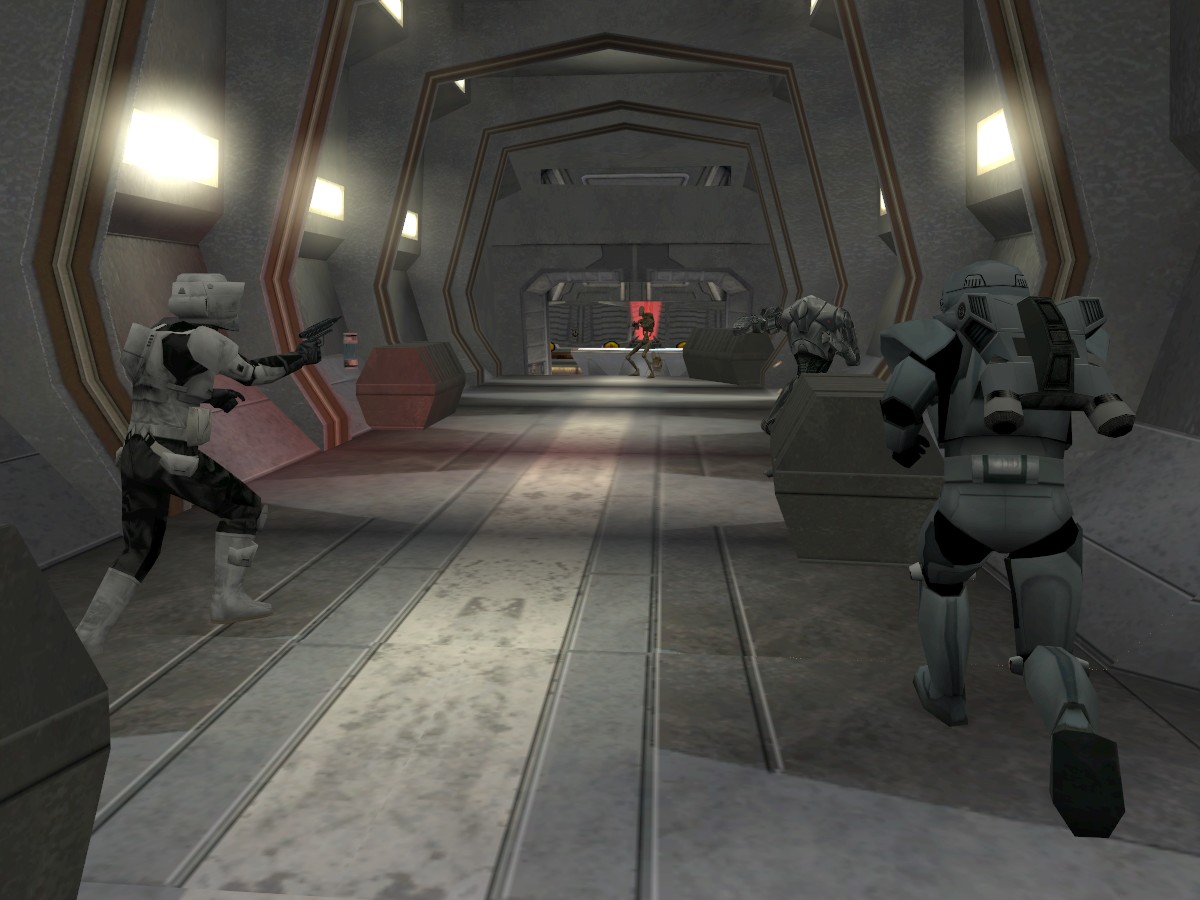
Nevertheless, remnants and relics of the Confederacy continued to surface. On Jaguada's moon, a small droid army was accidentally reactivated by fugitive Jedi. Old droid parts were utilized by Wookiee forces during a battle against Imperial forces. In the same battle, an old CIS warship aided escaping Jedi. A contingent of B1 battle droids remained operational on Geonosis, although they were defeated by a squad of stormtroopers who crash-landed on the planet, as well as Wedge Antilles. The Zann Consortium used an old droid factory on Hypori to construct droideka Mark IIs for its forces. Even after the Empire's decline, regular droidekas were used by some smugglers and races like the Vagaari.
Separatist holdouts
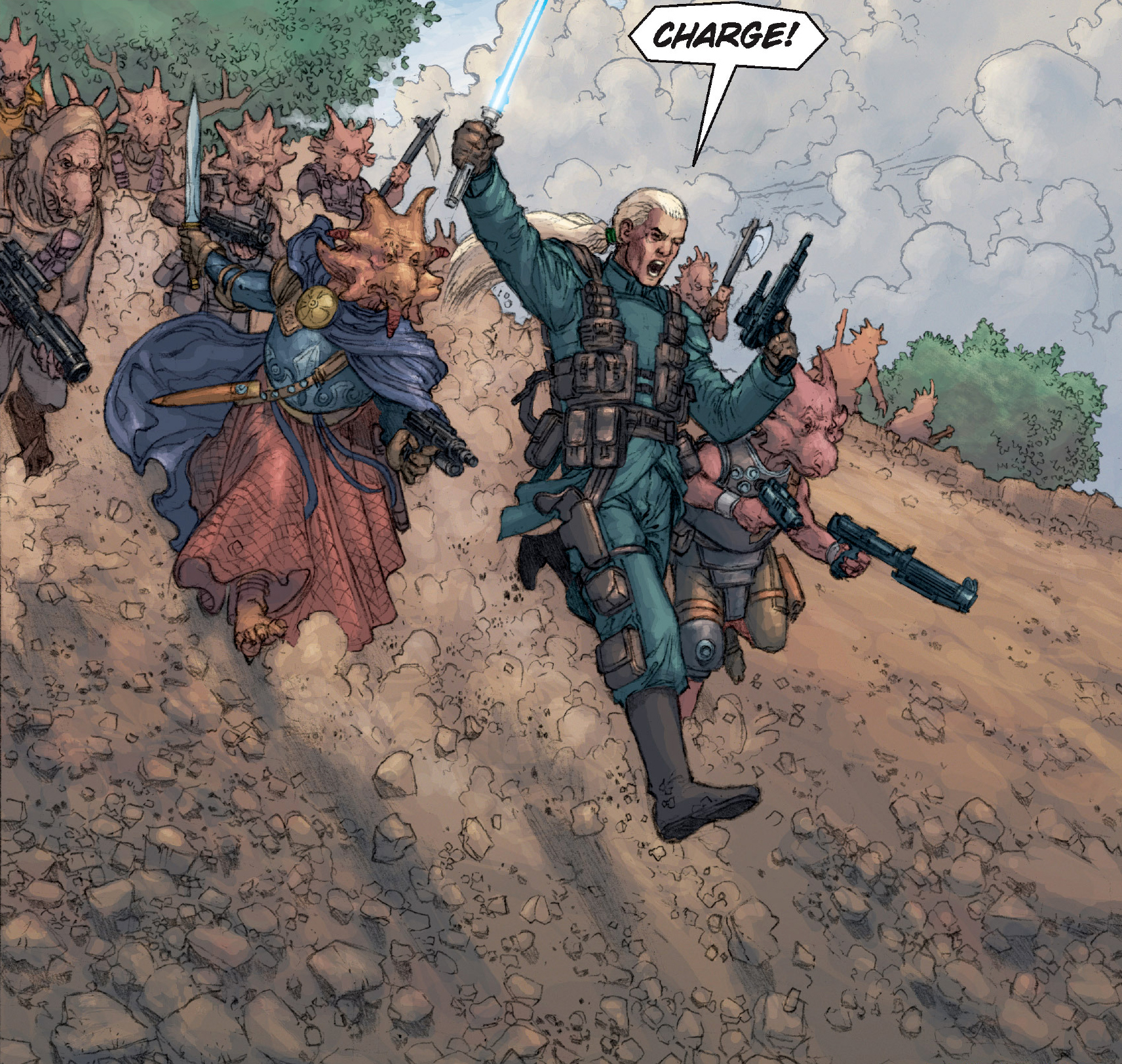
After the deaths of the Separatist Council members, some Separatist-loyal worlds continued to resist absorption into the new Galactic Empire. These remnants, both organized and unorganized, continued to fight throughout the Imperial era. The Empire used these holdouts as justification for expanding the Imperial Navy. Many of these remnants eventually joined the Rebel Alliance at its formation.
Sometime after the war, Gizor Dellso, a Geonosian droid manufacturer who survived the demise of the Confederacy leaders, initiated a plan to revive the Confederacy. He reactivated a droid factory on Mustafar and assembled a small army, preparing to exploit the reorganization of the newly formed Galactic Empire and initiate another war.
His initial step was to activate a droid fleet in Mustafar's orbit to defend his factory. He also drafted prototype plans for a Confederate infantry prototype, similar to the B2 super battle droid, featuring layered armor.
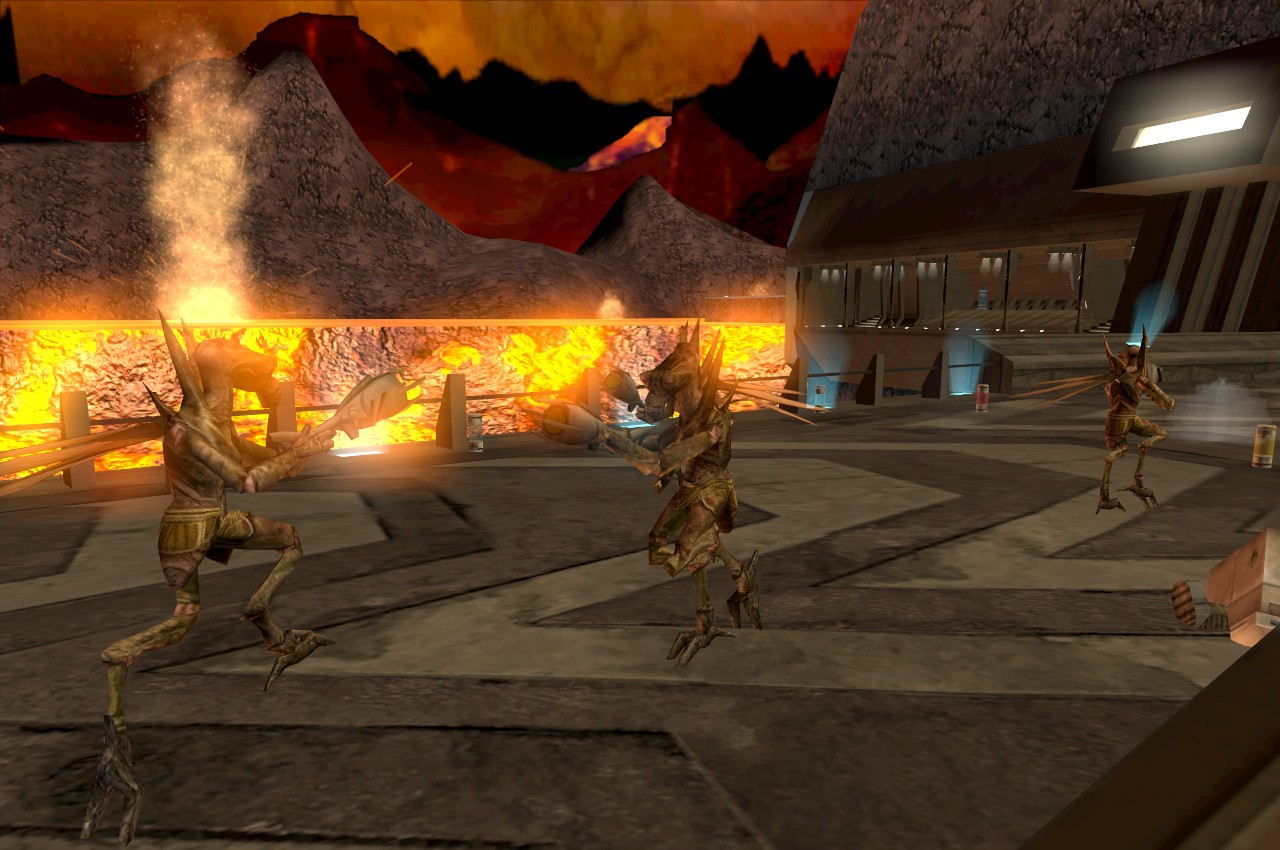
While his soldiers guarded the factory, an Imperial fleet from the 501st Legion arrived at Mustafar. A Heavy Missile Platform landed in the hangar of an Imperial-class Star Destroyer, and several battle droids emerged and attacked the stormtroopers inside. However, using thermal detonators, rocket launchers, and time bombs, the troops destroyed the droid gunship. The Empire then engaged and destroyed the weakened Separatist fleet before landing on the planet's surface. The Battle of Mustafar ensued, but because Gizor Dellso had insufficient time to deploy his new droid army, his obsolete droids fought a losing battle. Dellso and his Geonosian retinue died, along with their hopes for a new war. The factory was subsequently destroyed by heavy orbital bombardment, leading to a rapid decline in Separatist holdouts.
By 2 BBY, the remaining holdouts joined the Rebel Alliance, providing the Alliance Fleet with many remaining Separatist vessels, including a Providence-class carrier/destroyer named Rebel One. Some observers viewed the Rebel Alliance as a spiritual successor to the Confederacy of Independent Systems.
Government and Politics
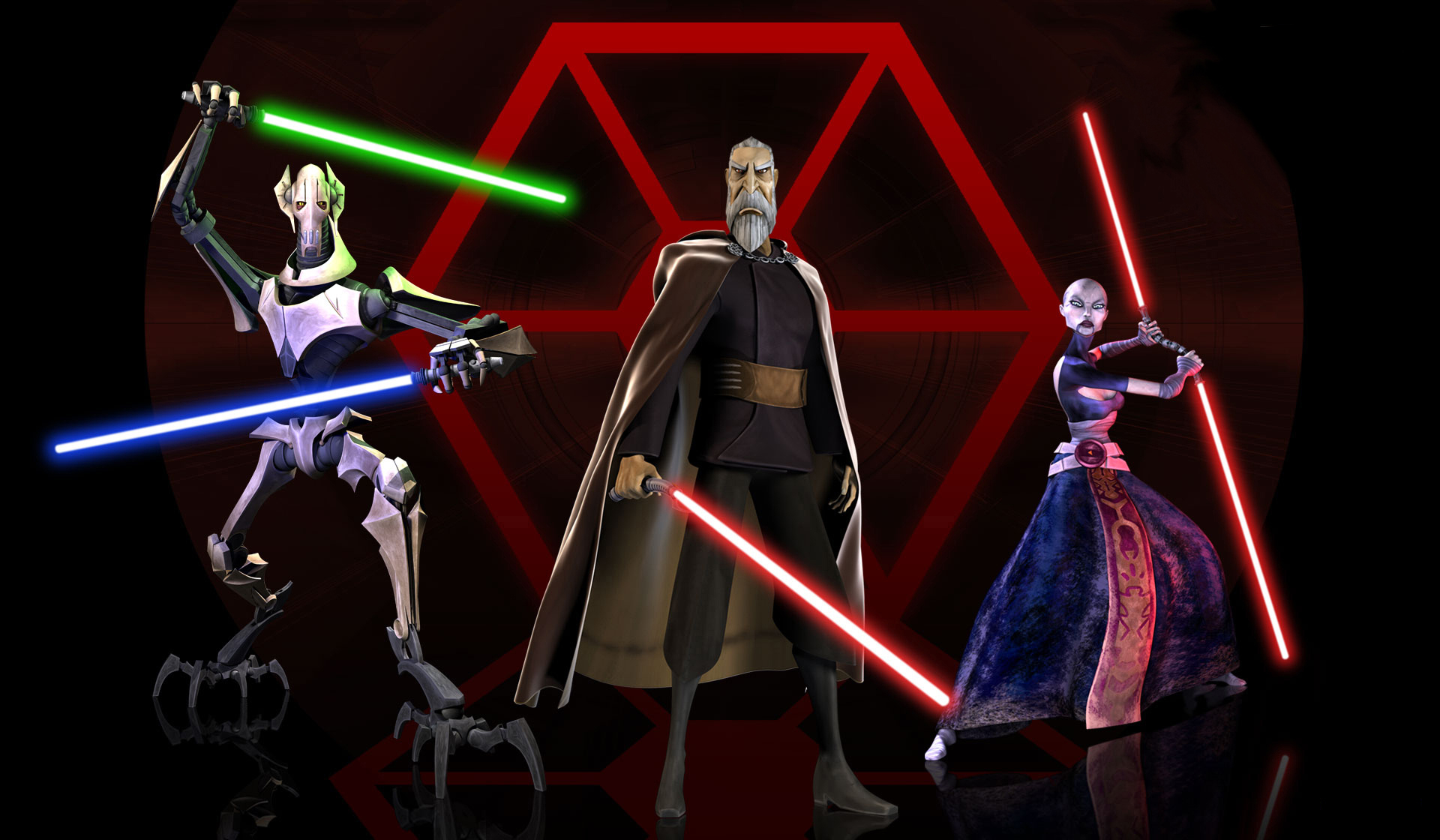
The Confederacy had a single Head of State, supported by the Separatist Council. The official leader was Count Dooku, a former Jedi Master also known as Darth Tyranus, the second known apprentice of Darth Sidious. Functioning between the Head of State and the Separatist Council was General Grievous, the Supreme Commander of the Droid Armies. Grievous held no ordinary power in the civil government but was next in line to lead the Confederacy if the Head of State became incapacitated. If both Dooku and Grievous were incapacitated, Nute Gunray, as the Separatist Council member who had contributed the most financially to the war effort, would assume the role of Head of State. The Separatist Parliament operated alongside the council, addressing diplomatic and civilian issues. However, the true power behind the Confederacy was the Sith Lord Darth Sidious, a fact known to very few.
The Separatist Council comprised ten leaders, each with their own assistants, advisors, and delegates:
-
Nute Gunray — Viceroy of the Trade Federation † Rune Haako—Settlement Officer of the Trade Federation † Rute Gunnay—Aide to Nute Gunray †
-
Poggle the Lesser — Archduke of Geonosis † Sun Fac—Chief Lieutenant to Poggle the Lesser †
-
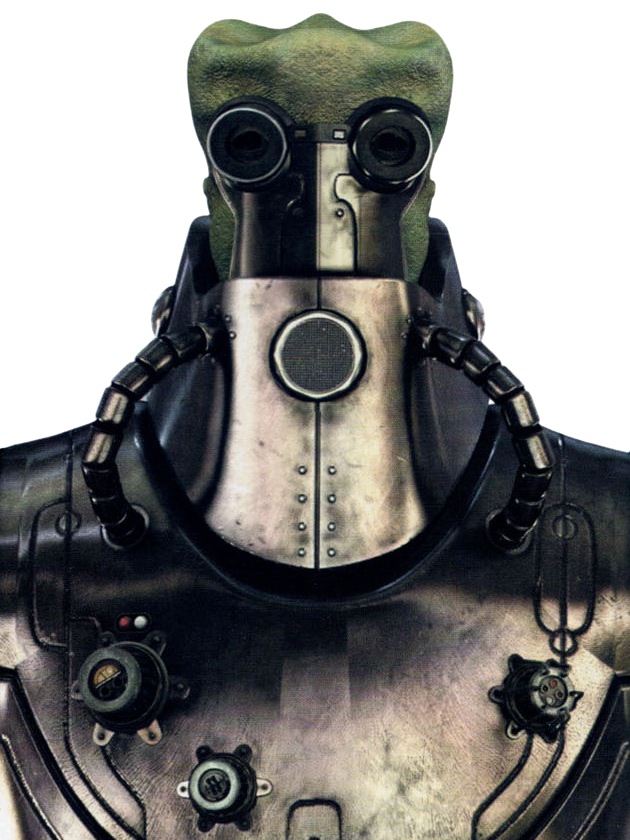
Wat Tambor: This individual served as the Foreman for the Techno Union, an Executive at the Baktoid Armor Workshop, and a Senator representing Skako. Tambor's staff and aides, as well as Techno Union scientists, also played crucial roles. †
-
San Hill: As the Chairman of the InterGalactic Banking Clan, San Hill was a key Banking Clan Representative. † Lo Vapeet served as the Vice-Chair of Communications within the InterGalactic Banking Clan.
-
Shu Mai: This figure held the position of Presidente within the Commerce Guild. † Cat Miin was an aide to Shu Mai. †
-
Passel Argente: This individual was both a Senator representing Kooriva and a Magistrate within the Corporate Alliance. † Denaria Kee served as an Associate Planetary Representative of Kooriva. † Passel Argente's uncle, Oro Dassyne, also played a role. †
-
Po Nudo: Serving as a Senator for Ando and the Leader of the Hyper-Communications Cartel, Po Nudo was a significant figure. † Nank Tun † functioned as an aide to Nudo. †
-
Tikkes: This individual held the position of Senator representing Dac and later became associated with the Quarren Isolation League. † B'olba was an Associate Planetary Representative of Dac and subsequently the Quarren Isolation League. † Tracton served as an aide to Tikkes. †
-
Rogwa Wodrata: This individual was a Senator representing Alliga and the Phelleem sector.
-
The Most High Queen of Zygerria Miraj Scintel: As the Queen of Zygerria, Miraj Scintel held significant power. † Atai Molec served as the Prime Minister of Zygerria and Captain of the Guard to Miraj Scintel.
These figures collectively represented eight distinct galactic governments that comprised the Confederacy. These included the Trade Federation, Techno Union, InterGalactic Banking Clan, Geonosian Industries, Commerce Guild, Corporate Alliance, Hyper-Communications Cartel, and Quarren Isolation League. The origins of the leading species from eight worlds – Neimoidia, Skako, Muunilinst, Geonosis, Castell, Kooriva, Ando, and Dac – served as the capitals for these separatist governments. While united against the Galactic Republic, each government played a unique role in the Separatist Crisis (24 BBY–22 BBY) and the subsequent Clone Wars (22 BBY–19 BBY).
Republic Senators who aligned with the Confederacy's cause:
-
Toonbuck Toora: This individual was a Senator representing Sy Myrth. † A Sy Myrthian Aide served as an Associate Planetary Representative of Sy Myrth.
-
Baron Rush Clovis: This figure was a Senator representing Scipio and the InterGalactic Banking Clan. † Nix Card and Mak Plain both served as Associate Planetary Representatives of the InterGalactic Banking Clan.
-
Prince Tal Merrik: This individual was a Senator representing Kalevala. †
-
Lott Dod: As a Senator representing Neimoidia and the Trade Federation, Lott Dod held significant influence. Mik Regrap served as an Associate Planetary Representative of Neimoidia and the Trade Federation, as well as a Trade Baron.
-
Beolars Bribbs: This individual held multiple positions, including President of the Sullustan Council, CEO of the SoroSuub Corporation, and Senator representing Sullust.
-
Navi: Serving as a Senator for Thustra, Navi played a role in galactic politics. Moje served as an Associate Planetary Representative of Thustra.
-
Vien'sai'Malloc: This individual was a Senator representing Devaron Space. †
-
Corlissi Ludar: Serving as a Senator for Sluis Van and the Sluis sector, Corlissi Ludar held influence in that region.
-
Dodra F'ass: This individual was a Senator representing Clak'dor VII and the Mayagil sector.
-
Rodd: As a Senator representing Fondor and the Tapani sector, Rodd held sway in that region.
-
Esu Rotsino: This individual was a Senator representing Abrion Major and the Abrion sector.
-
Daggibus Scoritoles: Serving as a Senator for Yag'Dhul, Daggibus Scoritoles represented that world.
-
Tyreca Bremack: This individual was a Senator representing Agamar and the Lahara sector.
-
Zurros: Serving as a Senator for Falleen, Zurros represented that world.
-
Wuja Wojaine: This individual was a Senator representing the Mortex sector.
-
Onaconda Farr: Serving as a Senator for Rodia, Onaconda Farr briefly allied with the Confederacy. † Lolo Purs served as an aide to Farr and Associate Planetary Representative of Rodia (briefly).
-
Gume Saam: This individual was a Senator representing Tibrin and was affiliated with the Confederacy. Waks Trode served as an Associate Planetary Representative of Tibrin.
-
Havriso Looruya: This individual was a Senator representing Yir Tangee.
-
Silvu Donte: This individual was a Senator representing Riflor.
-
Unidentified Senator: This individual's identity remains unknown. †
-
Viento: This individual's role is not fully specified. †
-
Bezz Drexx: This individual accepted bribes from the Separatists.
-
Ronet Coorr: This individual also accepted bribes from the Separatists.
-
The senators of the Separatist Parliament included: Voe Atell, By Bluss, Mina Bonteri (Senator of Onderon †), Lux Bonteri (Senator of Onderon after his mother's death, briefly), Amita Fonti, Kerch Kushi, Bec Lawise †, and Punn Rimbaud.
Other influential members included:
-
Karina the Great: The Geonosian Queen. †
-
Candobar Inglet: The Khedive of the Sluis sector and Sluis Van.
-
Nossor Ri: The Chieftain of the Quarren Isolation League. Riff Tamson was a Warlord of Karkaris. † Merai was an Admiral of Dac. †
-
Belo Tusus: The ruler of Orto.
-
Pre Vizsla: The Governor of Concordia and leader of the Death Watch (briefly).
-
Lorca Oviedo: The Director of Oviedo Engineering. †
-
Daragi Hoba: The First Minister of Ando.
-
Rankwin Fopow: The Prime Oligarch of the Cadinth Oligarchy.
-
Eleven Elders of the People: The Ruling Council of Emberlene.
-
Five Families of Cestus Cybernetics: Debbikin the Young (research, male Human †), Debbikin the Elder †, Lady Por'Ten (energy, female Human †), Lord Por'Ten †, Kefka (manufacturing, male humanoid), Llitishi (sales and marketing, male Wroonian †), and Caiza Quill (mining, male X'Ting †).
-
Hadocrassk: The Speaker-Above-All of Trandosha.
-
The Morgukai
-
Unger Gout: The Warlord of Khorm. †
-
Topas dosLa: The Overliege of Ukio.
-
Pilester Binalie: The owner of Spaarti Creations. †
-
Alto Stratus: The leader of the Jabiimi Nationalists. †
-
Prince Yojan: The heir to the Throne of the Simocadia royal family. †
-
Tarin (Human): The head of a Czerka factory producing the FEX-M3 nerve gas grenade.
-
Sanjay Rash: The King of Onderon. †
-
Mand'alor Spar: The Leader of the Mandalorian Protectors.
Government Branches:
- Count Dooku - Head of State - Head of the Executive Branch
- General Grievous - Vice Head of State - Commander of the Armed Forces
- Nute Gunray - Head of the Separatist Council - Head of the Legislative Branch
- Poggle the Lesser - Head of the Judiciary Branch
Military
The Confederacy of Independent Systems was largely influenced by prominent business entities. Figures such as Trade Federation Viceroy Nute Gunray, InterGalactic Banking Clan Chairman San Hill, and Techno Union Foreman Wat Tambor represented these conglomerates. Their primary focus was commerce rather than military strategy, making them less effective as military leaders. From the leadership, Count Dooku, Poggle the Lesser, and Nute Gunray possessed actual combat experience, although some council members, like Wat Tambor, were known for strategic thinking. Other military figures included General Whorm Loathsom, General Oro Dassyne, General Lok Durd and Commander Merai. Sentepeth Findos, who later became the Acting Viceroy of the Trade Federation, held the rank of lieutenant.
The CIS military primarily consisted of battle droids, weapons, and ships initially used by the leadership's corporations for security. By combining these droid forces, the CIS created a massive army capable of challenging the Republic, commonly known as the droid army. While predominantly composed of droids, organic forces, including bounty hunters, smugglers, and even Dark Jedi, also fought for the CIS, often serving as high-ranking officers. Worlds that joined the CIS integrated their militaries into the CIS forces.
CIS leaders believed their superior numbers and advanced droid designs would secure victory in the Clone Wars. They were partially correct, as Droidekas possessed weapons and shields capable of eliminating Jedi, while Battle Droids and Super Battle Droids could overwhelm enemies with sheer numbers. However, the incompetence of some droids, like the B1 battle droids, often led to CIS defeats.
The Techno Union contributed significantly by providing not only B2 super battle droids but also numerous foundries capable of producing thousands more droids for the Confederacy. Other companies supporting the Separatists included Colla Designs, Phlac-Arphocc Automata Industries, Baktoid Industries, Haor Chall Engineering, Free Dac Volunteers Engineering Corps, Republic Sienar Systems, Retail Clan, and Feethan Ottraw Scalable Assemblies.
Additional support came from allies. The Confederacy controlled numerous worlds across the galaxy and recruited local forces to their cause. The Jabiimi Separatist leader Alto Stratus's Nimbus commandos, the Quarren Isolation League, the Mandalorian Protectors, and others aided the CIS against the Galactic Republic. The Separatist Army also utilized organic forces, such as Gossam Commandos and Koorivar Fusiliers, who brought new tactics and independent thinking to the battlefield, potentially surpassing even the Republic's Clone Troopers in certain aspects.
As the leader of the CIS, Dooku also commanded its military forces, aiming to swiftly end the war. Recognizing the predictable tactics of battle droids, Dooku frequently hired mercenaries, bounty hunters, and smugglers to command droid forces and gain an advantage. His wealth allowed him to employ notorious contractors like Jango Fett, Durge/Legends, Cydon Prax, Cad Bane, and others who were drawn by the high pay. In addition to mercenaries, Dooku recruited Dark Jedi to train as apprentices or assist in combating Jedi Generals. Among these Dark Acolytes were Asajj Ventress, Savage Opress, and Sora Bulq.
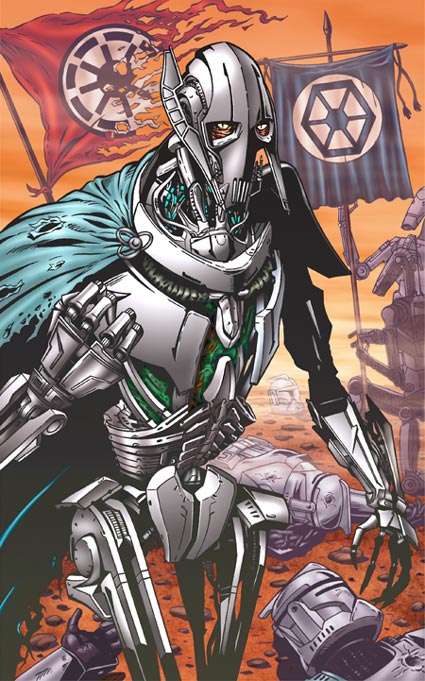
General Grievous, Supreme Commander of the Droid Armies, bridged the gap between organic and automated forces. A cyborg with tactical brilliance and a powerful armored body, Grievous shifted the war in favor of the Confederacy. He led troops to victories, including the conquest of Duro, the destruction of Humbarine, attacks on strategic Loyalist worlds, and an assault on Coruscant, capturing Supreme Chancellor Palpatine. He also targeted Jedi Knights, who posed a threat to the droid army, and killed many in combat. Grievous had absolute control over his troops and wielded four lightsabers, collected from fallen Jedi Generals. His proficiency with these weapons led to numerous CIS victories. Asajj Ventress and the bounty hunter Durge also served as effective commanders.
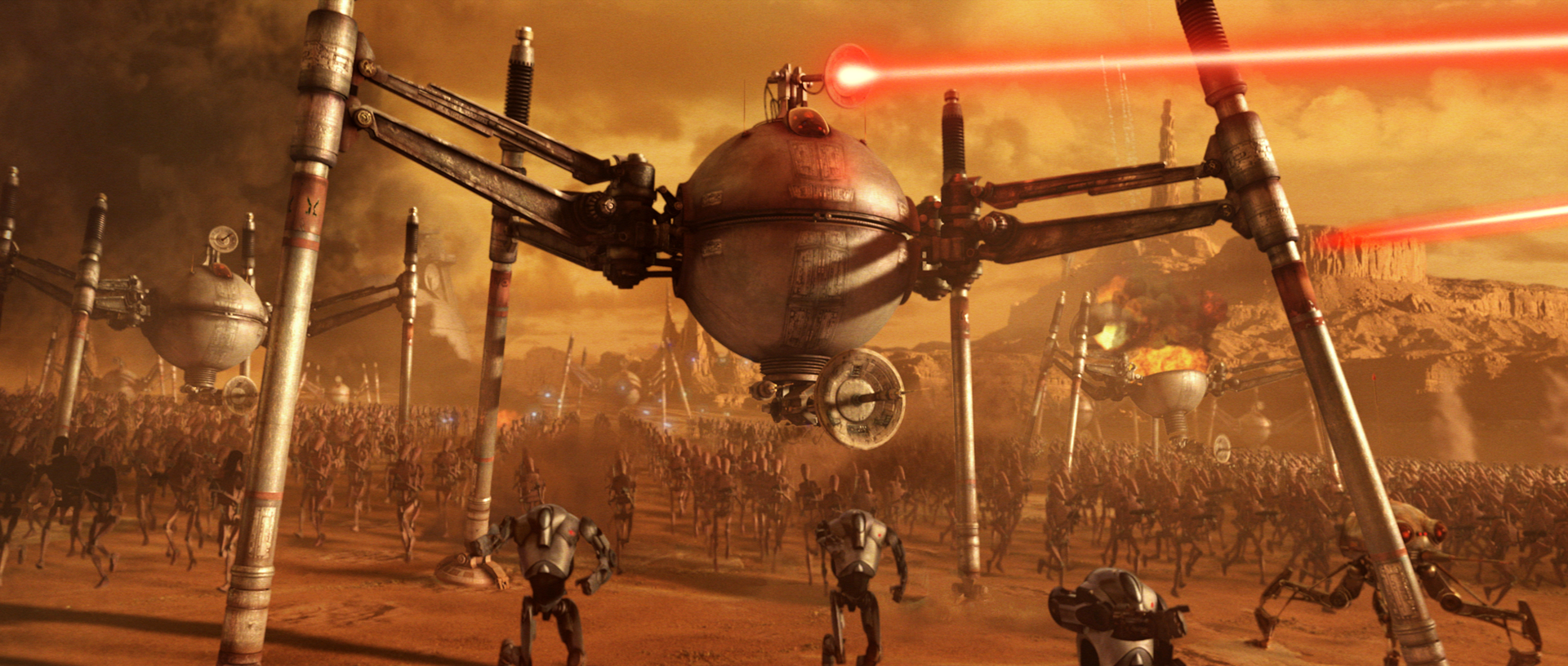
The Separatist Army utilized large-scale weaponry during the Clone Wars. Commerce Guild OG-9 homing spider droids were common on Confederate frontlines, while NR-N99 Persuader Tank Droids, Manta Droid Subfighters, and Federation AATs provided heavy firepower. Super weapons like the Protodeka, Seismic tank, and Dark Reaper were also deployed. However, weaknesses in these machines were often exploited by the Republic.
Astrography
The size of the Confederacy of Independent Systems fluctuated during its existence. By 22 BBY, it encompassed several thousand star systems and various commercial factions allied under its banner.
Behind the scenes
The Confederacy of Independent Systems debuted in Star Wars: Episode II Attack of the Clones. Initially, the commerce guilds were intended to use the same battle droids as the Trade Federation, differentiated by color schemes. However, the decision was made to give each guild unique droids for visual variety.