Kaminoan
The Kaminoans, originating from the aquatic world of Kamino situated in Wild Space, were a sentient species of tall, slender amphibians. Residing within expansive, stilted, domed metropolises elevated significantly above the ocean's surface, the Kaminoans gained recognition for their specialization in groundbreaking cloning and genetic engineering innovations. Additionally, they developed more conventional technologies for a variety of clients, including the Galactic Republic.
Biology and appearance

The Kaminoans were towering, thin humanoids with pale complexions, characterized by elongated heads balanced on flexible, extended neck bones. They possessed large, almond-shaped eyes of black hue, featuring white pupils that granted them the ability to perceive ultraviolet light. Male Kaminoans displayed fin-like crests on their heads, while females were entirely bald, adorning themselves with distinctive head crescents. Their extended, delicate limbs facilitated a graceful, gliding gait, complemented by small feet ideally suited to the solid seabeds of their homeworld and, subsequently, the firm flooring of their artificial habitats. Kaminoans attained maturity at the age of 11.
Society and culture
Kaminoans typically exhibited minimal outward displays of emotion or distinct personality traits. They regarded the clone troopers as their most significant accomplishment. Furthermore, Kaminoans were isolationist by nature, engaging with off-world entities only when it proved advantageous. This trait stemmed from the great flood that reshaped their home planet, Kamino, leading them to conclude that adapting their genetic code and planet was a safer course of action than seeking assistance from the Galactic Republic. Despite their successful adaptation, this experience fostered a lingering distrust toward offers of external aid. However, Kaminoans did not necessarily consider themselves superior to other species; rather, they viewed other planets as distractions. Many Kaminoans even believed that they already possessed everything they needed on Kamino.
Generally, Kaminoans adhered to scientific rationality. Nevertheless, they frequently embarked on pilgrimages to the submerged remnants of their ancient cities. Both historical and contemporary Kaminoan settlements were distinguished by their domed architectural style.
History
Early development
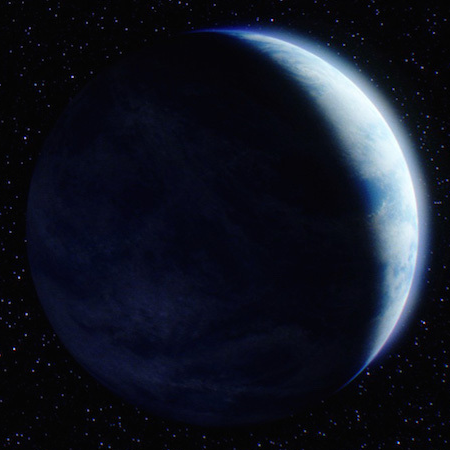
Originating from Kamino, a world situated beyond the Outer Rim Territories in Wild Space, considered extragalactic, the Kaminoans were initially a land-based society with a deep connection to the ocean, existing at the conclusion of a prolonged ice age. The terrain and mountains of Kamino were unable to contain the water from the melting ice, resulting in a massive flood that compelled the Kaminoans to transform their way of life. Initially, they relocated to higher elevations, but eventually, they needed to construct elevated cities to escape the rising ocean. They erected towering spires and structures, connected to what became the seafloor, replacing older, more traditional buildings.
Kaminoans traversed between cities by riding aiwhas. Although they could have sought assistance from the Galactic Republic, the Kaminoans determined that self-reliance was less risky, as it mitigated the potential for colonization, resource depletion, and cultural assimilation. Furthermore, the Kaminoans preserved terrestrial species and adapted themselves, their flora, and their fauna to thrive on the altered planet. Their new cities were fully enclosed, providing protection from strong winds and storms, and sheltering the land-based plants and animals they managed to save.
Isolation
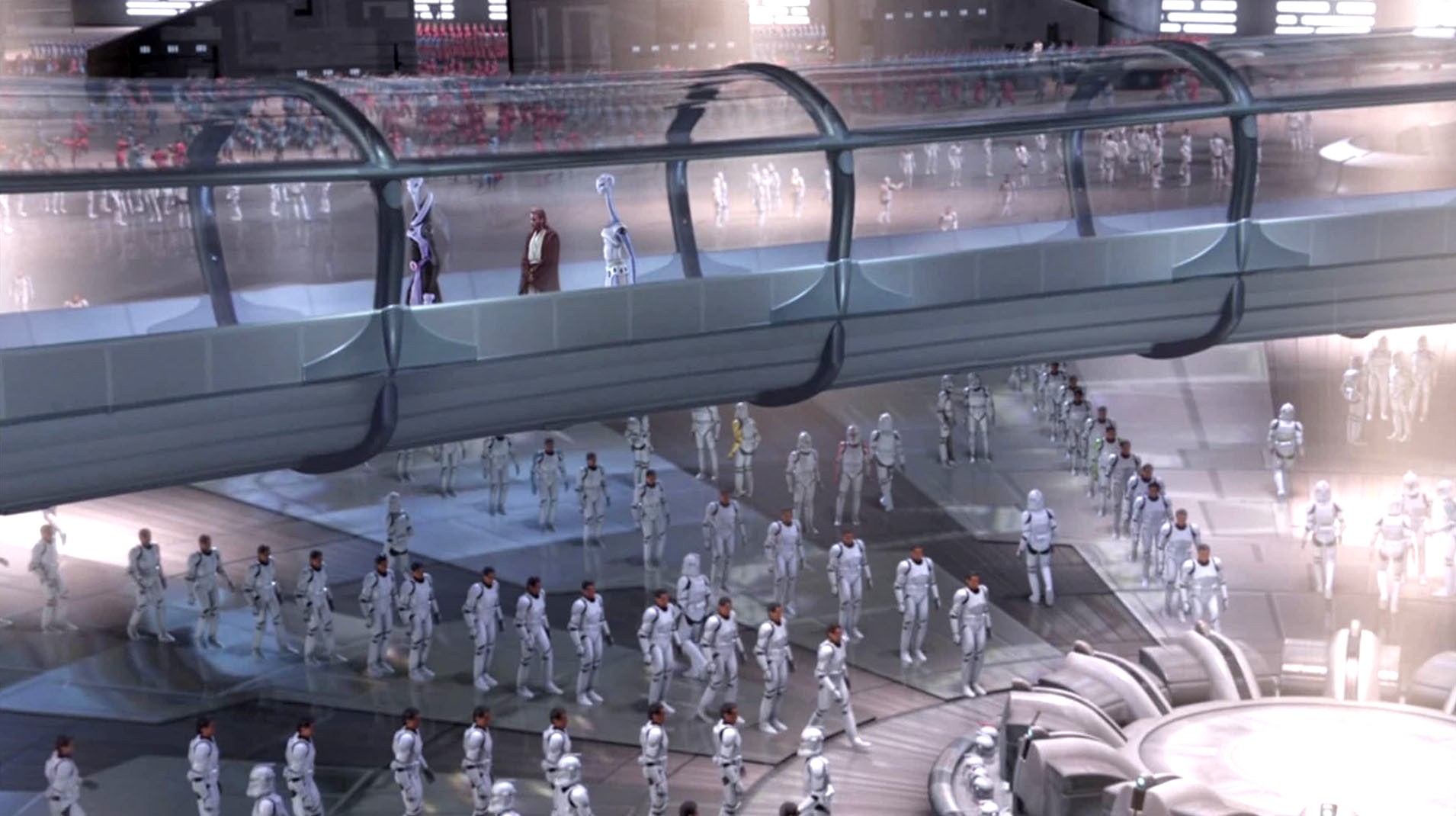
Despite Kamino's relative obscurity, the Kaminoans' prowess in engineering and genetic manipulation was rumored in certain circles of the underworld. They also operated a cloning facility on Bora Vio for a period, eventually abandoning it and the clones created there. Jedi Master Sifo-Dyas learned of the species and commissioned the creation of a Grand Army of the Republic. Although they had previously created clone armies, Sifo-Dyas' proposal was ambitious, but the Kaminoans ultimately agreed and fulfilled the request. However, the Sith assumed control of the project when Darth Tyranus paid the Pyke Syndicate to shoot down Sifo-Dyas' T-6 shuttle, killing the Jedi Master. Tyranus also enlisted bounty hunter Jango Fett as the genetic template for the army. After ten years of maturation, the clone trooper army was ready for deployment by the Republic.
Jedi Knight Obi-Wan Kenobi arrived on Kamino while tracking Fett, due to the bounty hunter's involvement in the plot to assassinate Senator Amidala, and met with Prime Minister Lama Su, as the Kaminoans believed Kenobi had come to inspect the Grand Army. Shortly after the Republic became aware of the army, the Galactic Senate granted Supreme Chancellor Sheev Palpatine, secretly the Dark Lord of the Sith Darth Sidious, the emergency powers necessary to utilize Kamino's clone army, ostensibly to combat the Confederacy of Independent Systems. The clone troopers saw action under their Jedi Generals during the First Battle of Geonosis, the opening engagement of the Clone Wars.
Clone Wars
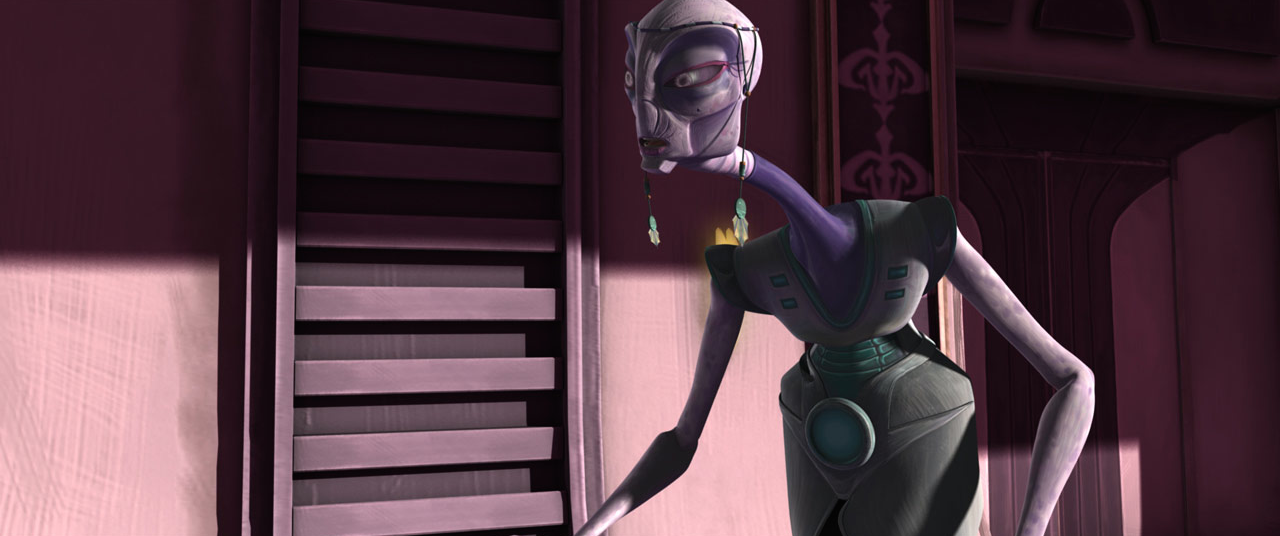
The creation of the clone army thrust the Kaminoans into galactic history, and they gained representation in the Republic when Halle Burtoni leveraged her contributions to clone production into a seat in the Galactic Senate. However, as the sole producers of the clone army, Kamino became a primary target for Confederate attacks.
In 21 BBY, the Confederacy launched an assault on Kamino, but the Battle of Kamino resulted in a Republic victory. Following the battle, Clone Captain Rex believed the Separatists would not attack the planet in the near future, and Echo and Fives were promoted to ARC troopers. During the clones' promotion ceremony in a hangar in Tipoca City, several Kaminoans were present. Later in the war, Fives returned to Kamino after Tup inexplicably killed Jedi General Tiplar during the Battle of Ringo Vinda. This was due to the malfunction of Tup's behavioral modification biochip, a secret device implanted in clones intended as a defense against rogue Jedi, which caused a premature execution of Order 66.
Kaminoan Nala Se attempted to conceal the chips from the Jedi Order, but Fives revealed their existence to Jedi Master Shaak Ti. However, Fives was eventually killed and failed to fully warn the Jedi about the chips' true purpose: to be used by Chancellor Palpatine to force all clones to kill their Jedi officers. Palpatine provided physical evidence of his plans, the extracted chips of Fives and Tup, to Nala Se. These were sent to Tyranus, allowing the Sith to eliminate all traces of the truth.
Imperial Era
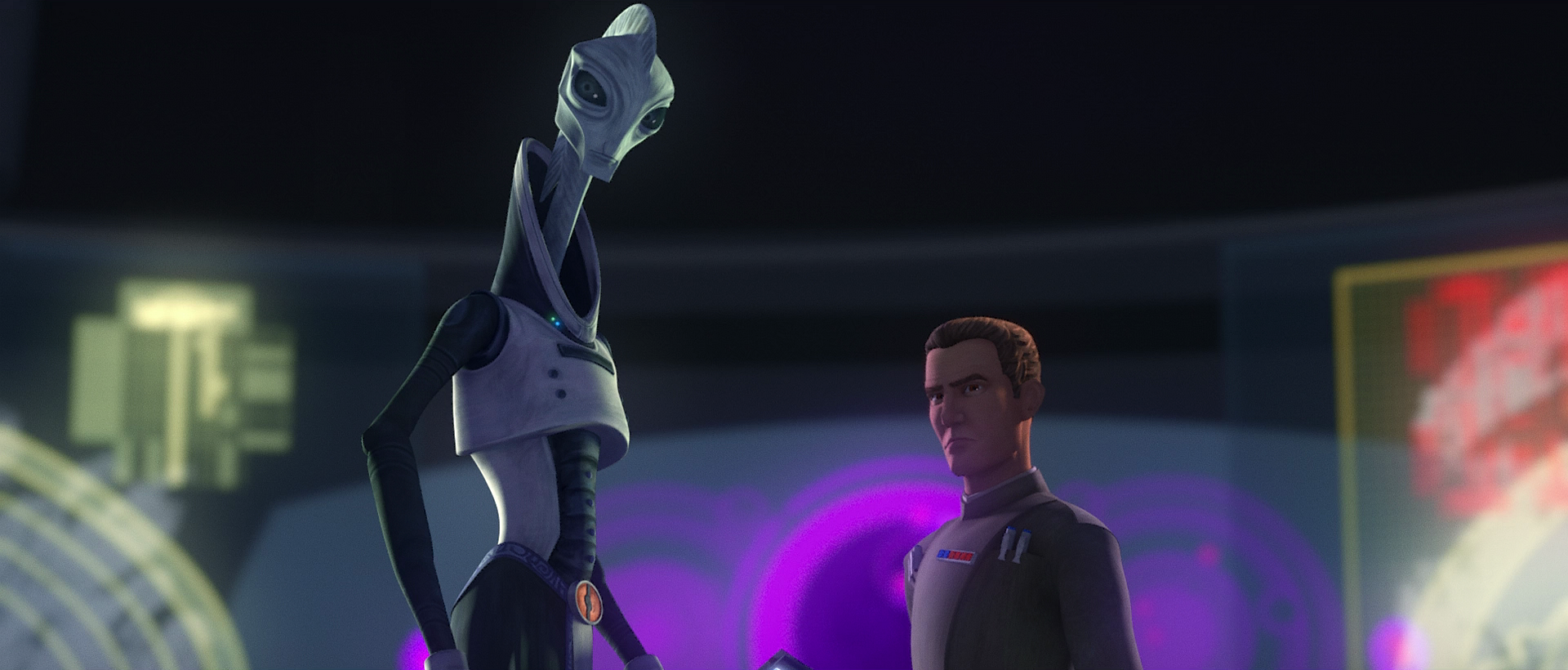
Palpatine ultimately issued Order 66 and destroyed the Jedi Order, enabling him to transform the Republic into the First Galactic Empire. Although the Kaminoans sought to continue their relationship with the Republic's successor, Admiral Wilhuff Tarkin informed Lama Su that Emperor Palpatine no longer supported their cloning production as he had during the Clone Wars. Upon learning of the Empire's training program for enlisted soldiers under Vice Admiral Edmon Rampart, Lama Su feared that his clones were at risk of becoming obsolete. Consequently, he believed that the future of Kaminoans depended on providing the Empire with a new type of clone superior to the original Jango Fett genotype, which continued to degrade after the war. On Coruscant, Halle Burtoni—who suspected the Empire would betray her people and viewed Su as arrogant for attempting to collaborate with the Empire—lost her position in the Imperial Senate after becoming too inquisitive into Imperial matters, discovering that Rampart was diverting Senate-approved funds for Kamino to other programs.
Eventually, the cloning facilities on Kamino were shut down by the Empire, which only evacuated clone troopers, clone cadets, clone embryos, materials, and Kaminoans deemed "essential," such as Nala Se. Following this, the Empire destroyed every known Kaminoan facility and city on the planet, including Tipoca City. The Kaminoan population were forcibly interned and deported prior, with the few survivors scattered across the stars. The Empire then withdrew from Kamino, concentrating its future cloning operations within Mount Tantiss on Wayland. Coerced into Imperial service, Se was brought to the facility to assist with its projects. In part due to the efforts of a reluctant Burtoni, the truth of Kamino's destruction was revealed by Senator Riyo Chuchi, but Palpatine blamed the attack on Rampart and his clones alone, using it to help pass the Imperial Defense Recruitment Bill.
Later in the Imperial Era, the pirate Hondo Ohnaka observed that he saw fewer Kaminoans in the galaxy. Some Kaminoans joined the Alliance to Restore the Republic, but their amorality in medical matters, coupled with their role in the Empire's rise, created a strained relationship with their fellow Rebels. With the Empire having seized Kaminoan cloning technology and established a monopoly over its use, Sidious's Sith Eternal cult employed Kaminoan cloning technology and Strand-Casting in an attempt to create cloned bodies for Palpatine, ensuring that he could transfer his spirit into a new form upon death and rule indefinitely.
Kaminoans in the galaxy
During the High Republic Era, a Kaminoan was present in Bri-Phrang City on Eriadu when the planet was trapped within the Occlusion Zone.
One of the clones held in the abandoned cloning facility on Bora Vio was a Kaminoan.
The Kaminoan Kan Be was a crime lord during the Cold War between the First Order and New Republic. He allied with First Order Security Bureau agent Terex during the mission to Megalox Beta.
Behind the scenes
The design of the Kaminoans was inspired by the aliens from Steven Spielberg's film Close Encounters of the Third Kind, which were themselves based on the "grey alien" archetype in folklore.