Gender
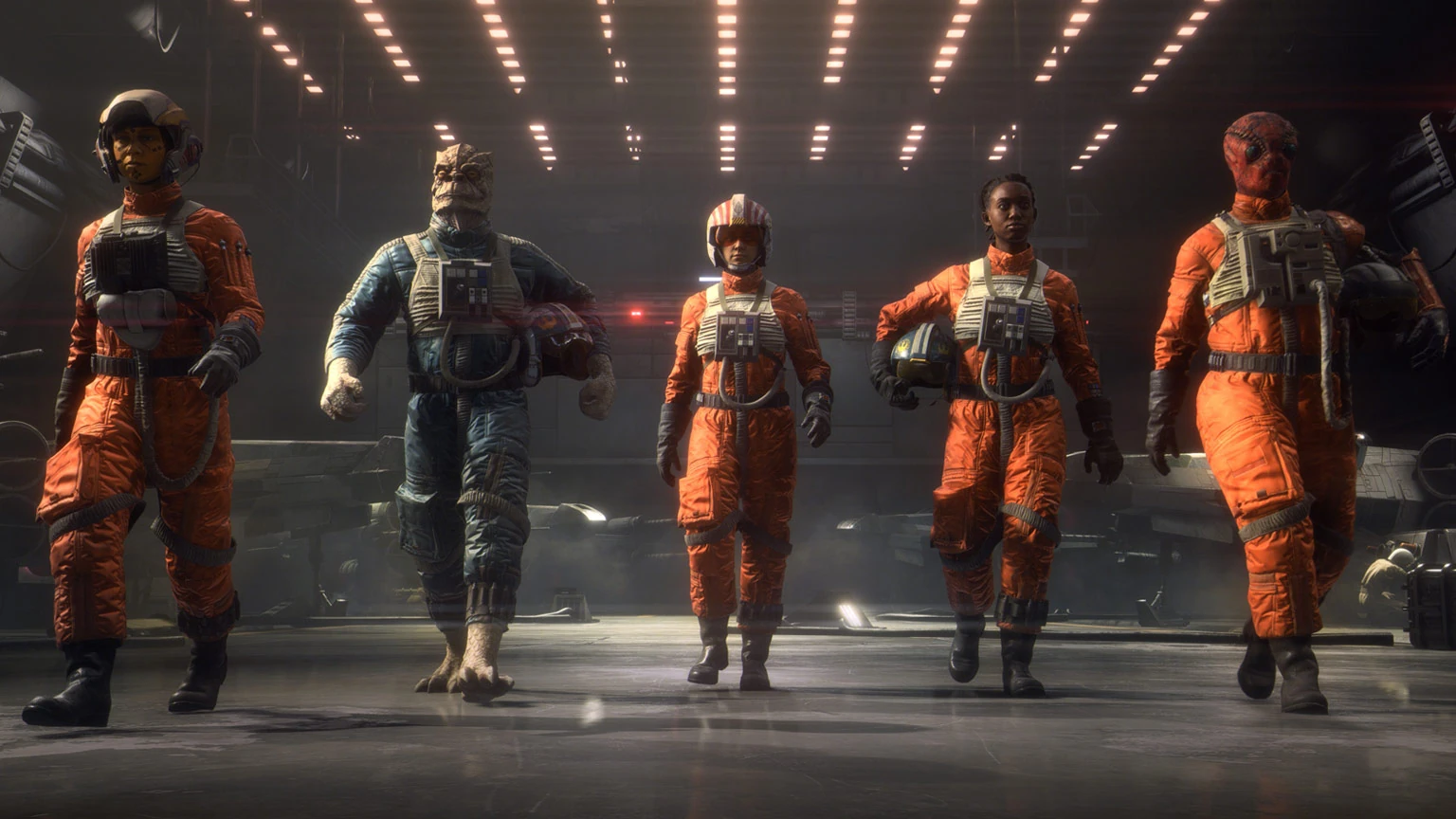 Vanguard Squadron included beings identifying as male, female, and non-binary, in addition to a couple of individuals whose genders were not specified.
Within the galaxy's sentient species, a range of genders were present. Beings were classified as "male," "female," genderfluid, or non-binary, and there were at least eleven distinct genders. Beings could also choose or alter their genders, and some were genderless. Social roles were sometimes determined by gender in certain species. A number of droids possessed personality programs mirroring organic beings' gender concepts.
Vanguard Squadron included beings identifying as male, female, and non-binary, in addition to a couple of individuals whose genders were not specified.
Within the galaxy's sentient species, a range of genders were present. Beings were classified as "male," "female," genderfluid, or non-binary, and there were at least eleven distinct genders. Beings could also choose or alter their genders, and some were genderless. Social roles were sometimes determined by gender in certain species. A number of droids possessed personality programs mirroring organic beings' gender concepts.


Description
A spectrum of diversity
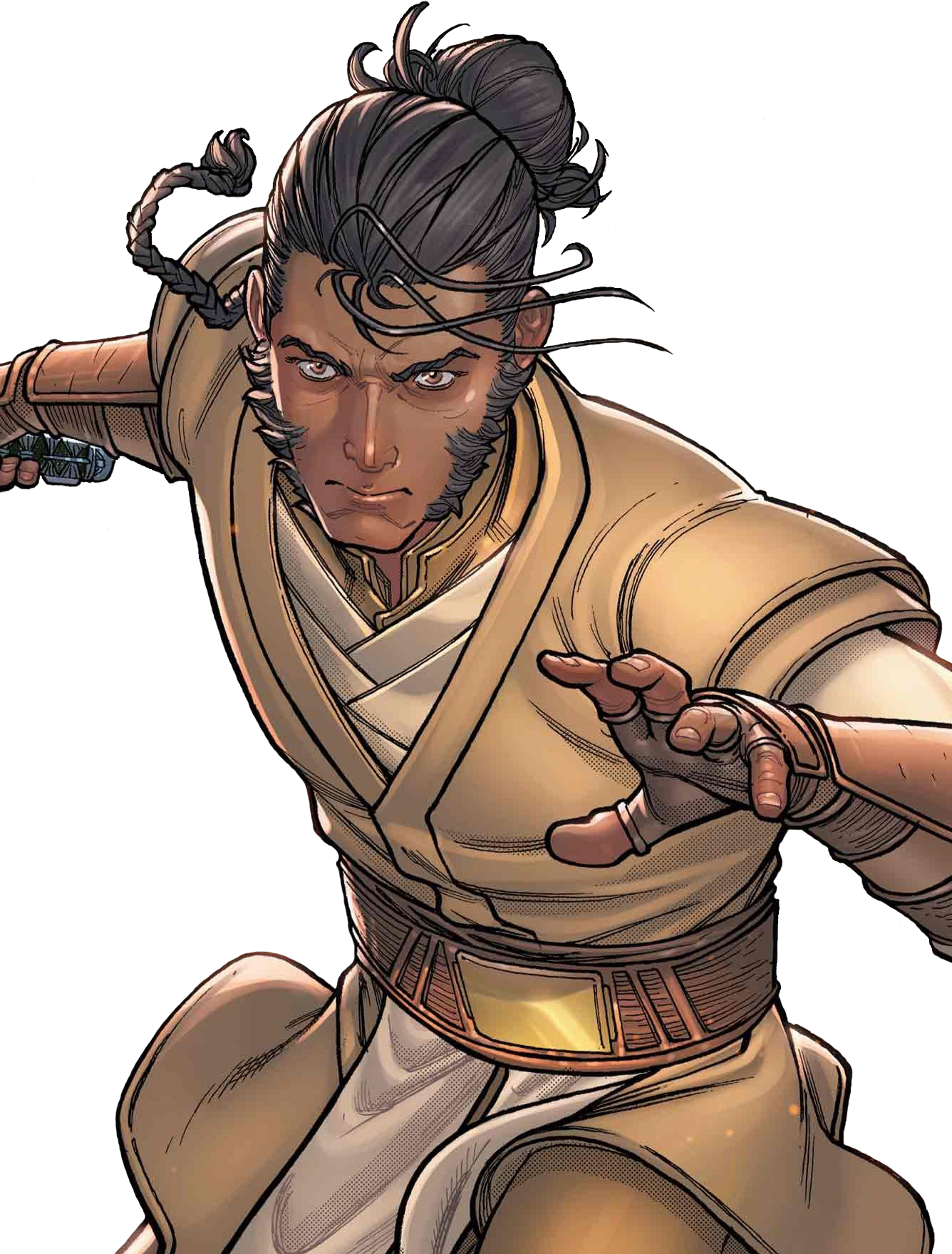
The sentient species inhabiting the galaxy displayed a variety of genders. Many species differentiated based on sex using "female" or "male" labels, or culturally comparable terms. The galaxy was home to at least eleven genders, as well as genderless beings. As an example, some Sabetue individuals were genderless, identifiable by their distinctly white skin.
An individual's perceived gender at birth, based on their sex, could differ from their actual gender identity. Among the clones derived from the human male Jango Fett, one clone trooper was given the name Sister by her brethren, acknowledging her belonging among them; the Jedi Knight Anakin Skywalker noted that she had "transcended gender." Some humans, like Tepoh, a Naboo aide, experienced gender in a fluid manner. At times, Tepoh preferred to be seen as more or less female, while at other times, this was not the case.
In Galactic Basic Standard, the language commonly used, individuals not identifying with either binary gender employed singular pronouns such as "zhe," used by the pirate Eleodie Maracavanya and Tepoh, and "they," used by figures like the human Jedi Master Kantam Sy during the High Republic Era, the Kotabi bond-twins and Jedi Knights Terec and Ceret of the High Republic—who were trans—the Alderaanian pilot Taka Jamoreesa, and the Mirialan pilot Keo Venzee of the New Republic. Other languages also featured gender-neutral pronouns, including Shyriiwook, the Wookiee language. The term "Neutrois" was used within the Galactic Empire to refer to individuals whose gender was neither male nor female.
Gender's other facets
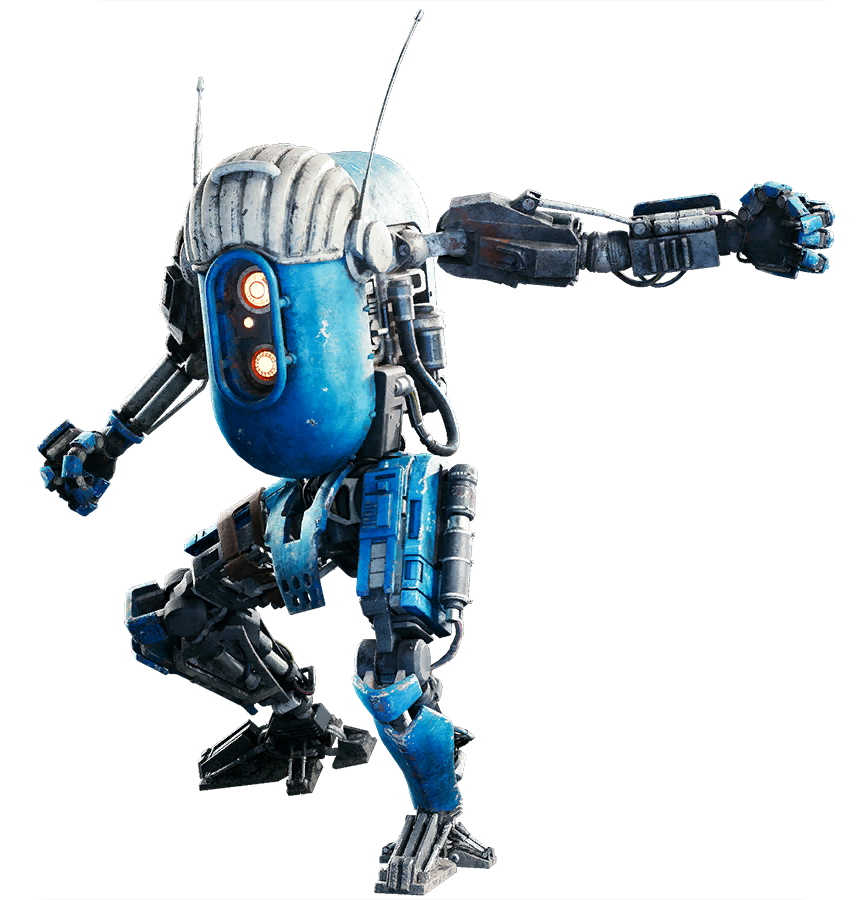
Feminine pronouns were often used for starships, though many considered this practice outdated by the time of the First Order-Resistance War. Although droids were artificial mechanical beings rather than organic, they were often referred to using "he," "she," or "it" pronouns. The bounty droid MA-55H was addressed using both singular "they/them" and "he/him" pronouns.
"He" was frequently used as the default pronoun when gender was unknown. For instance, when an unseen assailant attempted to assassinate Padmé Amidala, both Obi-Wan Kenobi and Anakin Skywalker referred to the assassin as "he" until they discovered the attacker was actually a female changeling. Similarly, Darth Vader automatically used "he" to refer to the rebel pilot who destroyed the Death Star, even without knowing their identity. Upon discovering a buried starship, Fern referred to the previous captain as "he" by default, despite not knowing the captain's gender.
Genders were sometimes associated with personality traits. During an argument with Han Solo, who believed Princess Leia Organa had feelings for him, Leia retorted, "I guess you don't know everything about women yet." Decades later, Solo, suspecting Finn was lying to Rey about his real identity, warned Finn that women "always figure out the truth. Always."
Clothing could carry cultural meanings, including gender, that the wearer may not have intended to convey.
Genders across species
Gender shifting
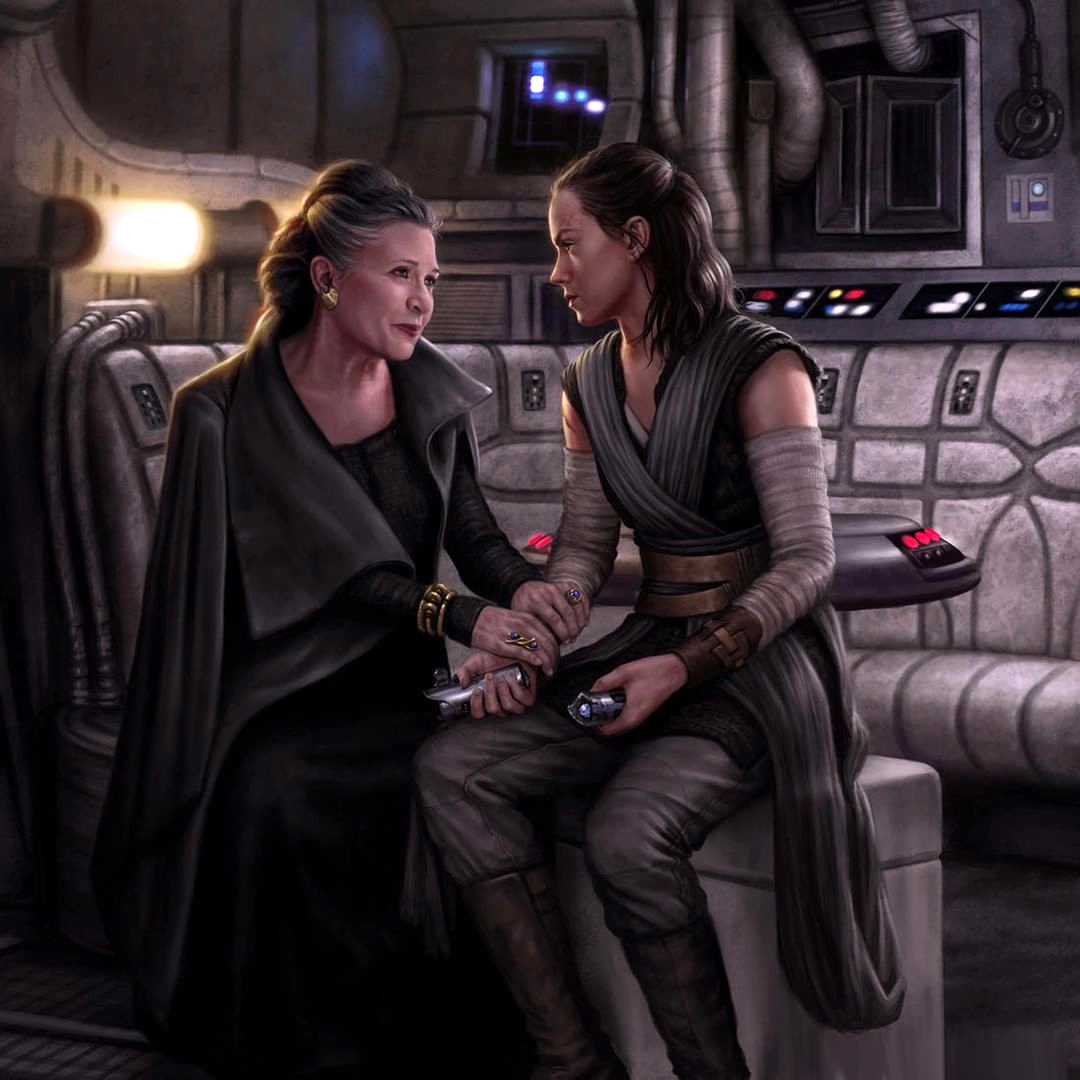
Certain species had the ability to change or choose their genders at various times throughout their lives. Xidelphiad individuals experienced protogynic phases and entered a chrysalis to transition from female to male, a process lasting years before completion. Dianogas were physically capable of assuming multiple reproductive roles and chose their desired gender. Diangous was their most common gender; a female named Omi encountered several other females and more diangous, but did not encounter a male-identifying dianoga for many years. The Chalhuddan species shifted through five genders during their life stages. Their native language used pronoun cases reflecting their current gender, two or three previous genders, and sometimes their anticipated next gender. Due to the lack of equivalent pronouns in Galactic Basic, "you" and "they" were used as substitutes.
Gender-based roles
Species' native cultures sometimes assigned roles and expectations based on gender. The Tusken Raiders of the desert planet Tatooine formed clans or tribes where, in many cases, males served as warriors protecting the tribe and attacking trespassers, while females raised children and protected the home. Tuskens covered their entire bodies, but Tusken females were identifiable by their jeweled masks. However, not all tribes adhered to these strict gender roles; in the tribe joined by former bounty hunter Boba Fett, females and males wore similar attire and fought alongside each other.
Warrior initiation involved giving each individual a bantha of their gender to care for, establishing a lifelong bond. Gamorrean species members lived in clans ruled by a Clan Matron who chose a male Warlord to co-rule based on combat prowess and strength. The sows primarily farmed, while the boars engaged in warfare against other clans. Boars may have been responsible for hunting, but sows may have hunted in addition to farming.
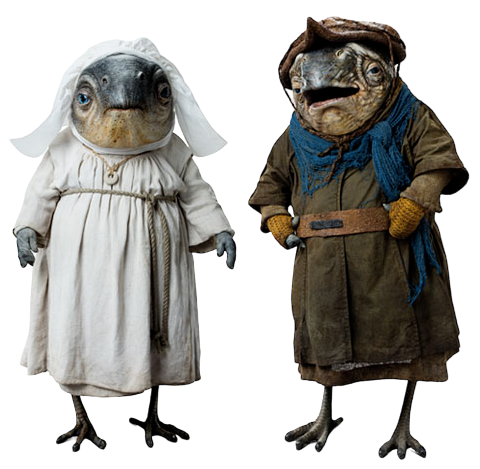
Among the avian and matriarchal Lanai on Ahch-To, the female Caretakers passed down their titles and duties from mother to daughter, maintaining the sacred structures of the First Jedi Temple. The male Visitors spent much of their time fishing in the sea, but upon returning with the month's catch, they celebrated with the Caretakers for several days. Accounts regarding the species on Crul are inconsistent, though they agree that Crolutes were native. Some claimed Crolutes were divided into "cows" and "bulls," while others believed Crolutes were an entirely male species with a corresponding female species, Gilliands.
Some species displayed distinct appearances and roles for their genders. The Dathomirian species exemplifies this. On Dathomir, female Nightsisters and male Nightbrothers lived separately. Nightsisters became witches wielding magick enhanced by the planet's power. When they wished to reproduce, they visited the Nightbrother village to select a mate; the Nightbrothers were subservient to the Nightsisters. Nightsisters had pale or white skin often tattooed with subtle or monochrome designs, while Nightbrothers used bold tattoos to accentuate their colorful skin and natural striping. Devaron had a matriarchal government. Devaronian males were barred from holding office, deemed less serious and more prone to wander the stars than females, who remained on the planet. Males were bald with horns, while females had small bumps and hair.
During the Imperial Era, Force-sensitivity was rare among the Chiss. Girls with the ability of Third Sight were almost exclusively girls, and it diminished as they aged. While potent, they served as navigators called ozyly-esehembo in Cheunh, translated as "sky-walker" in Basic.
Certain species, such as the Paccosh from the Unknown Regions, held one gender in particularly high regard. Senior Captain Mitth'raw'nuruodo insisted on bringing a Chiss woman to an asteroid mining station in the Rapacc system, deducing from the clothing and body positions of Paccosh corpses that they revered women.
Behind the scenes
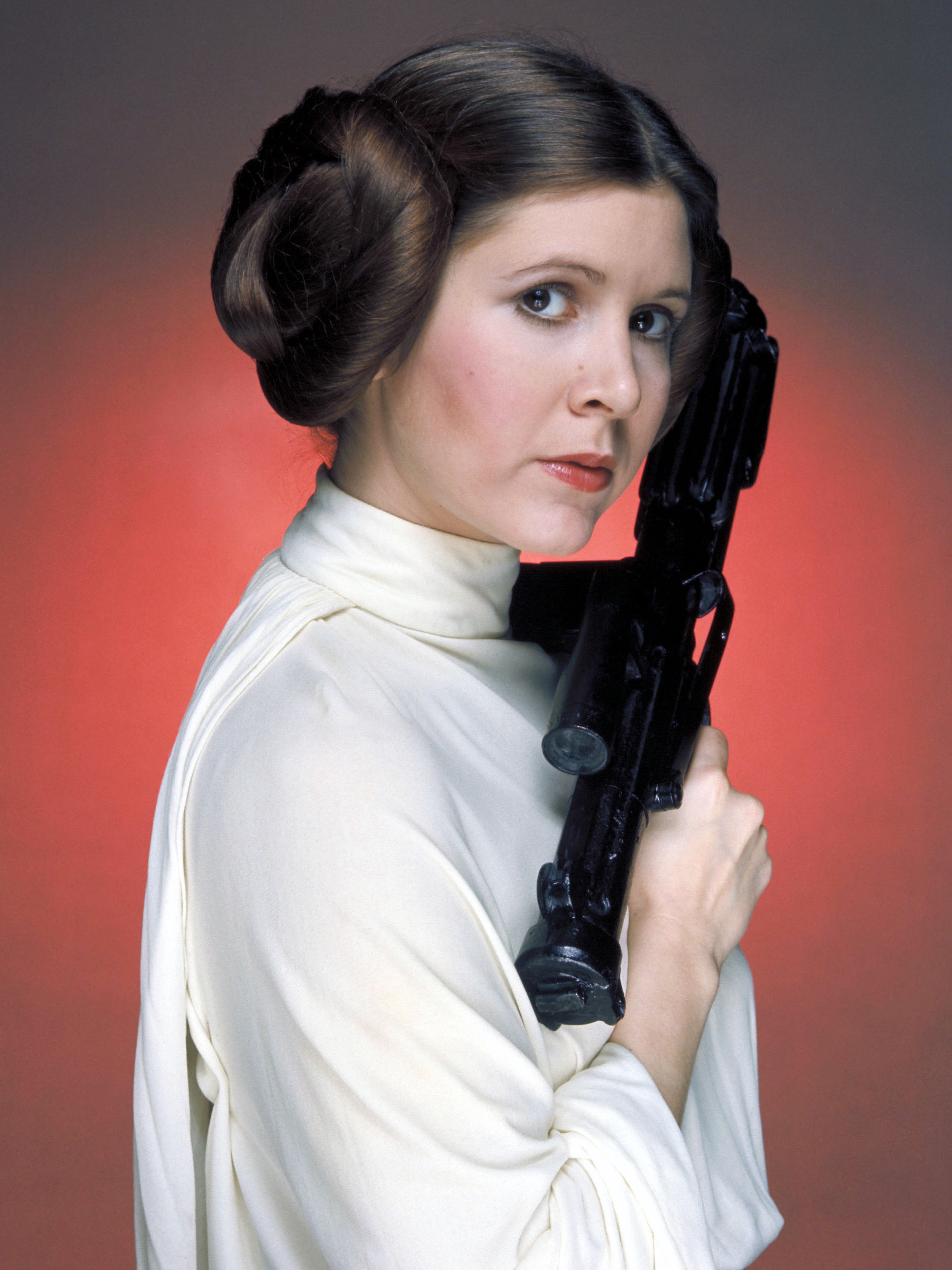
In interviews both prior to and following the release of Star Wars: Episode VI Return of the Jedi, the 1983 original trilogy film, actress Carrie Fisher discussed femininity in relation to her character, Leia Organa. At the 42nd World Science Fiction Convention, Fisher stated, "The third one was very challenging because I had to integrate being feminine and powerful without being angry all the time."
In the 2005 film Star Wars: Episode III Revenge of the Sith, the actor portraying Meena Tills was male, leading action figure packaging and Legends narratives to incorrectly state Tills was male. When Tills was slated to appear in the Star Wars: The Clone Wars television series, it was decided that Tills would be female to align with her namesake.
Author Claudia Gray has noted on her Tumblr blog the existence of entirely new genders within the Star Wars galaxy. While her novels have not explicitly named these genders, she initially hinted at their presence in 2016 through Leia Organa's observation of at least four genders in her novel Bloodline. Gray introduced the multi-gendered Chalhuddans in her 2017 novel, Leia, Princess of Alderaan.
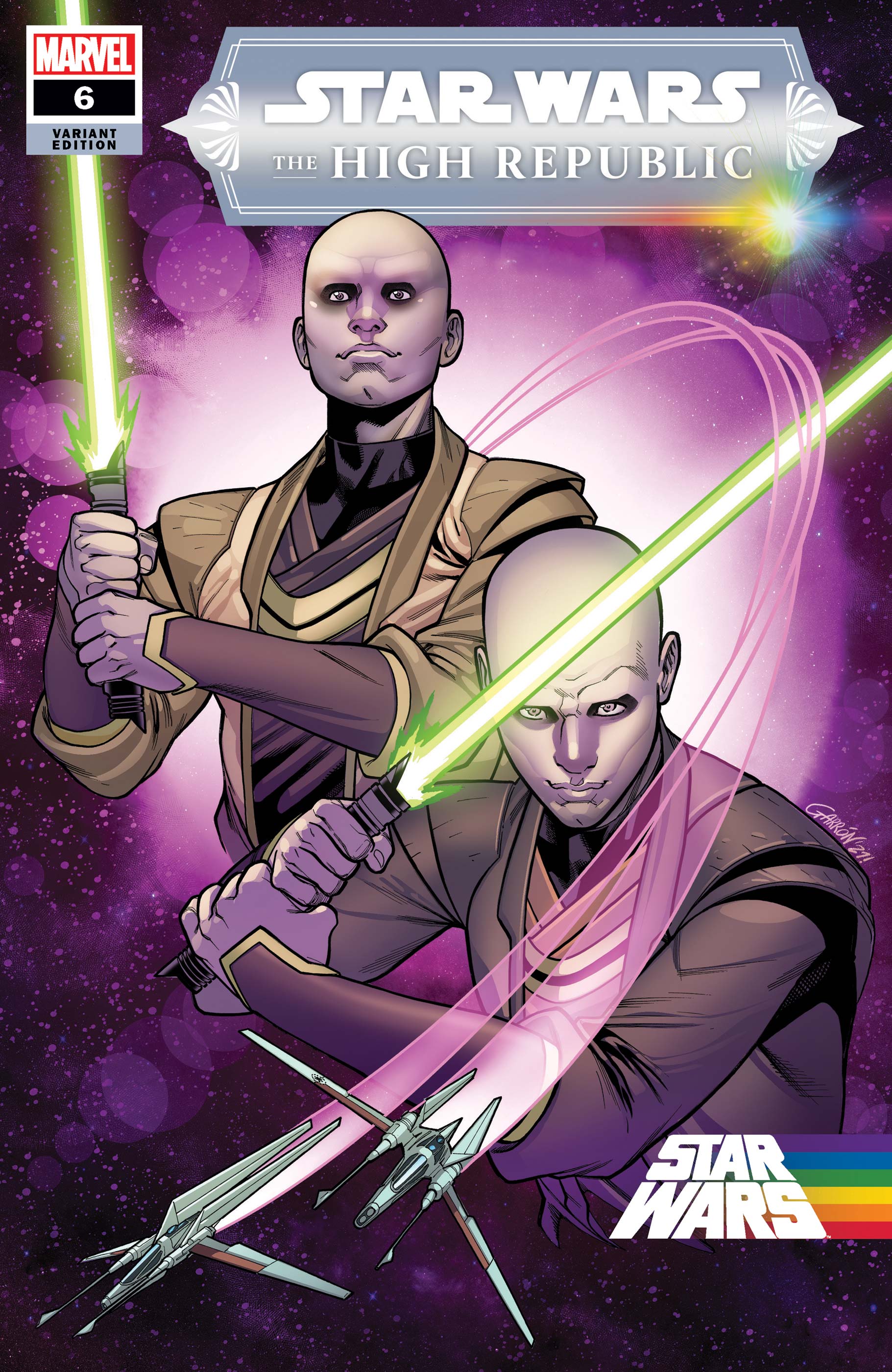
Also in 2016, Chuck Wendig's novel Aftermath: Life Debt became the first Star Wars work to feature an explicitly genderqueer character, the non-binary pirate Eleodie Maracavanya, who identified as neither male nor female. Following Maracavanya's introduction, additional non-binary characters emerged, including a Black Sun agent in E. K. Johnston's 2016 novel Ahsoka, Taka Jamoreesa in Daniel José Older's 2018 novel Last Shot, and Keo Venzee in the 2020 video game Star Wars: Squadrons. In March 2021, in recognition of the International Transgender Day of Visibility, the Star Wars Instagram account announced that Terec and Ceret, two Kotabi Jedi Knights from the Star Wars: The High Republic comic book series, are trans non-binary.
Several characters in the multimedia project Star Wars: The High Republic have been depicted inconsistently in terms of gender, rather than intentionally portraying gender transitions. Shai Tennem's initial appearance in the short story "Starlight: Go Together," written by Charles Soule and published in Star Wars Insider 199, used masculine pronouns for Tennem; however, Soule's 2021 novel The High Republic: Light of the Jedi used feminine pronouns. Estala Maru is mistakenly referred to as "her" in Light of the Jedi; the Insider short story "Starlight: First Duty," by Cavan Scott, uses masculine pronouns, and Maru is depicted as male in The High Republic comic book series. Upon the initial release of Light of the Jedi, Teri Rosason, whose first name was not revealed in the book, was initially mentioned with masculine pronouns, and Adampo first appeared with feminine pronouns. In The High Republic: Into the Dark by Claudia Gray, Rosason's initial appearance described the character as "a human woman of advanced years," and Adampo was referred to with masculine pronouns. E-book versions of Light of the Jedi were later corrected to accurately reflect Rosason as female and Adampo as male.
In the non-canon 2022 video game LEGO Star Wars: The Skywalker Saga, a gonk droid is referred to using both "he/him" and "they/them" pronouns.