Cloning
Cloning was a procedure that replicated an organism to produce one or more genetically identical copies, known as clones. During the Republic's concluding years, the Galactic Republic commissioned the creation of an army composed of clone troopers on the planet Kamino. The Kaminoans used the human Mandalorian bounty hunter Jango Fett as the source material, modifying his genetic makeup to ensure his clones were more compliant. They also engineered the clones to mature at twice the normal human rate, enabling their deployment as troopers within a decade's time. At Jango's insistence, an unaltered clone – Boba Fett – was created from his genetic structure and entrusted to him to raise as his offspring.
During the Clone Wars, Fett's clone soldiers fought as part of the Grand Army of the Republic, directed by Jedi leaders, until Order 66 mandated the elimination of the Jedi Order. Due to their programming, the clones executed this command, wiping out the majority of Jedi Knights throughout the galaxy. Subsequently, the Galactic Empire was established by the Sith Lord Darth Sidious. Soon after, the entire clone army was retired and replaced with naturally born stormtroopers.
After the Emperor's demise, the Empire ultimately collapsed to the New Republic. Nevertheless, Sidious circumvented death. By combining cloning technology with the dark side of the Force, the Sith Lord managed to transfer his essence into a newly cloned body derived from his original form. Despite the successful transfer, Sidious's new body rapidly deteriorated and struggled to contain the immense dark energy of his spirit. His followers, known as the Sith Eternal, conducted experiments using Sidious's genetic blueprint to create a more viable vessel. Their efforts resulted in the production of various Strand-Casts, including Supreme Leader Snoke and numerous genetic replicas of him, as well as a modified clone who was robust but lacked Sidious's connection to the Force. Consequently, the clone's only value to Sidious was in perpetuating the Palpatine lineage through more conventional means, leading to the birth of Rey, who, unlike her father, was deemed the perfect host for her grandfather's spirit following Ben Solo's rejection of the dark side.
Overview
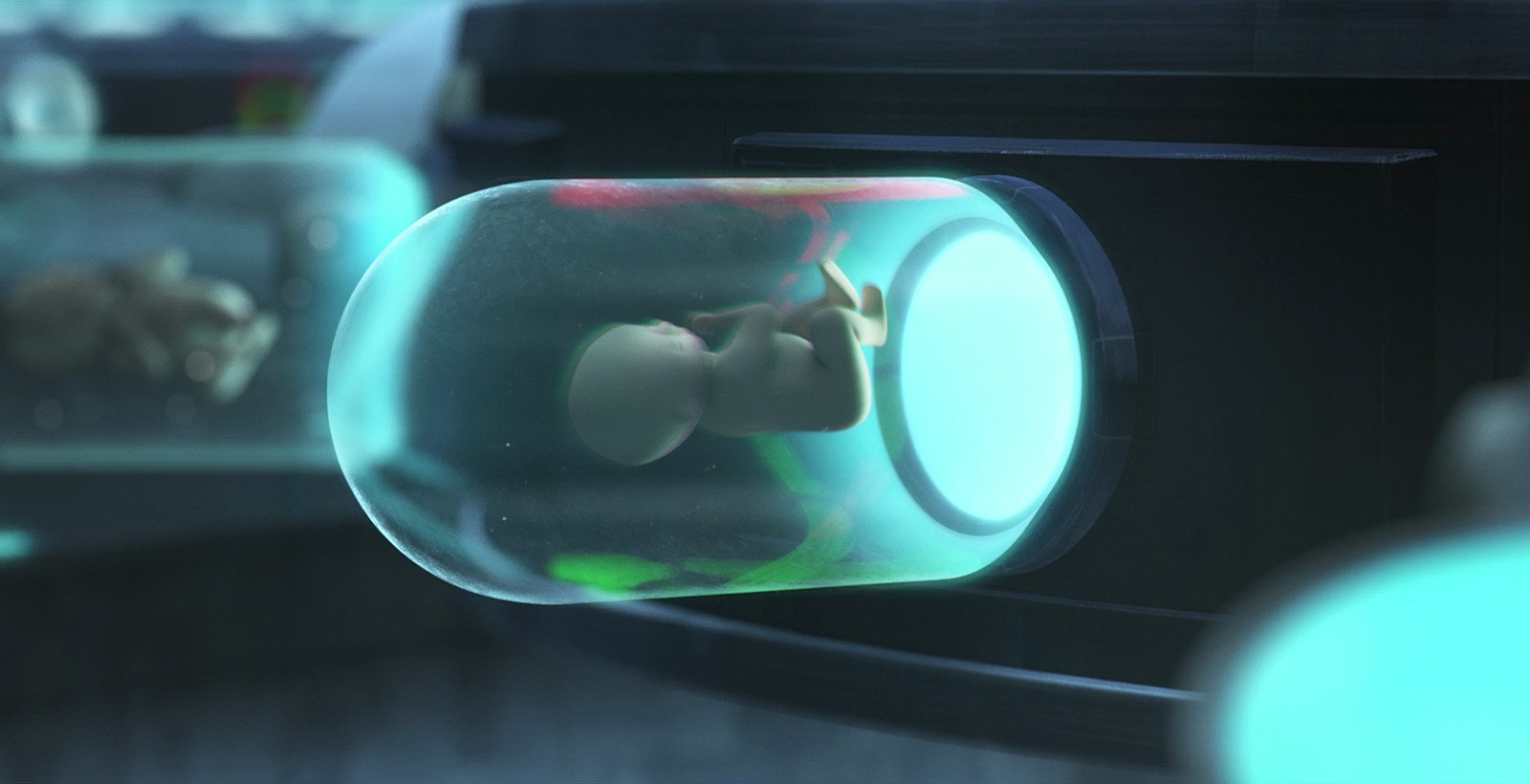
The process of cloning involved cultivating a clone from the genetic material extracted from a living being. The source's DNA served as the basis for creating clones, which could range from a single copy to millions of individuals sharing the same physical traits, vocal characteristics, and even skills inherited from the original source. The genetic code of the source could be modified through bioengineering during the cloning process for various purposes, such as accelerating growth or enhancing docility. Without alterations to the genome, a clone would be an exact genetic duplicate of its source.
Cloning humans was not a perfect science. Despite the Kaminoans' attempts to master the technique, occasional genetic or physical defects could still appear in their specimens, leading to both intended and unintended outcomes.
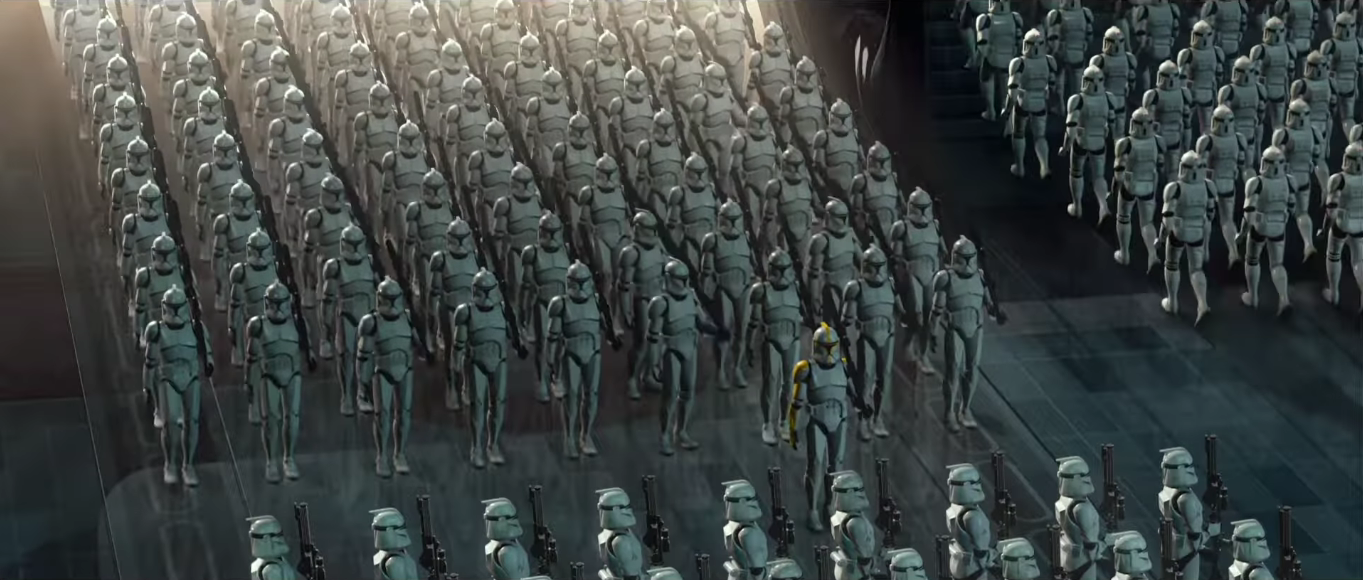
Millions of clones could be produced from a single genetic sample, but only as long as the sample remained viable. The sample would degrade over time. Therefore, cloners needed regular access to the original source or donor to obtain replacement samples. Otherwise, a new host would need to be used to continue the cloning production. Clones were also considered to have superior mental capabilities compared to droids. Their physical capabilities could be enhanced through technological augmentation, which, in the case of clone troopers, increased their chances of survival against overwhelming numbers of battle droids.
Clone troopers were created solely for combat, receiving minimal rest. They were also capable of developing genuine animosity towards their adversaries, particularly the battle droids, whom they referred to using the derogatory term "clankers." Some clones developed a habit of collecting droid parts as war trophies, although this was seen as a sign of defectiveness or aberrant behavior.
A clone's DNA could be altered to make it impossible for the clone to disobey a specific command. This was achieved by encoding a directive into the clone's biology. Strand-Casting was a modified form of cloning that resulted in a strandcast, an "artificial genetic construct" made from a hybrid of donated cells, some of which could be extracted from cloned tissue samples. This was the case with Dathan, a strandcast whose composite genetic structure included cells from various specimens, including the cloned DNA of the Sith Lord Darth Sidious. The father of Rey was, therefore, a clone of Sidious, although not a perfect replica.
History
Fall of the Republic
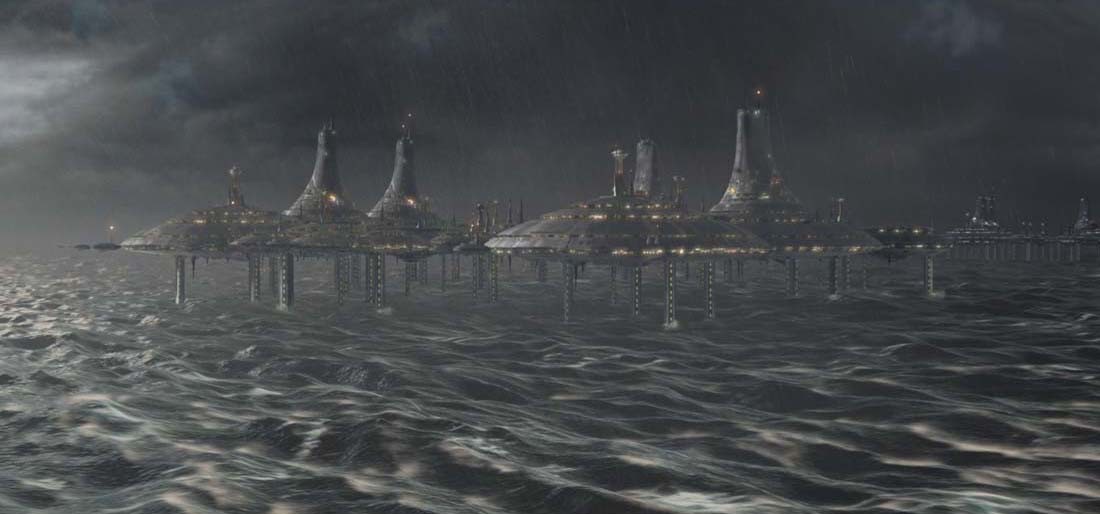
The Kaminoan government, while not the only cloning practitioners in the galaxy, transformed the mass production of clones into a vast commercial enterprise. It was through the Kaminoan cloning process that an army was created for the Galactic Republic, nearly ten years before the Clone Wars, at the request of Jedi Master Sifo-Dyas. Under the leadership of Prime Minister Lama Su, the Kaminoans used their cloning expertise to create millions of genetically-engineered soldiers who would form the core of the new Republic Military. Doctor Nala Se, the Chief Medical Scientist of Kamino, was heavily involved in the clone army's creation as one of its primary engineers.
Following Sifo-Dyas's death, the Sith assumed control of his project and hired a human bounty hunter, Jango Fett, to serve as the army's genetic source. Fett's genetic code became the foundation for millions of clone troopers, all sharing his physical appearance, voice, and combat skills. However, they were also genetically modified to be less independent and more compliant. The first clones of the Jango Fett genotype were designated as "generation one," and among them was Clone Captain CT-7567 of the 501st Legion.
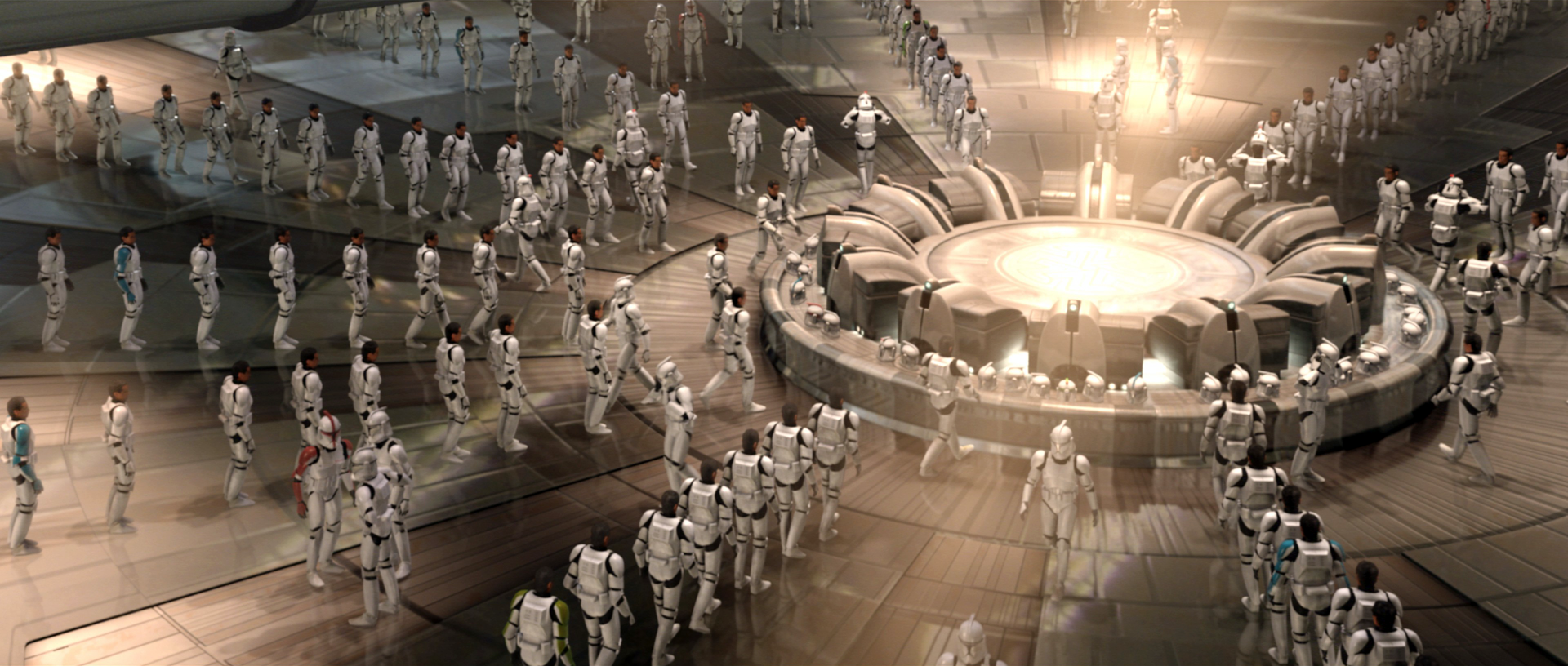
Further genetic manipulation accelerated the growth rate of Fett's clones to twice that of the human species, enabling their deployment within a decade's time. While the Kaminoan scientists managed the clone trooper growth process, the Sith took a more active role in their programming. They provided the cloners with behavioral modification biochips to be implanted in every clone's brain at the earliest stage of development. These chips were presented as structural inhibitors that would make the clones more docile and less aggressive than their template. However, their true purpose was to force the clones to obey Order 66, a secret protocol authorizing the immediate extermination of the Jedi Order as enemies of the state.
In addition to Fett's substantial monetary payment, the Kaminoans compensated him by creating a clone, codenamed Alpha, who was distinct from the rest of his artificial progeny. Alpha was an example of pure genetic replication, not programmed for loyalty or designed for accelerated growth. Fett took custody of this unmodified clone to raise as his son, naming him "Boba Fett." Boba was not the only example of pure genetic replication, however. Another unmodified clone of Jango Fett was created, possessing first generation DNA, and was codenamed Omega. Omega was a human female clone who served as Nala Se's medical assistant.
Clone Wars
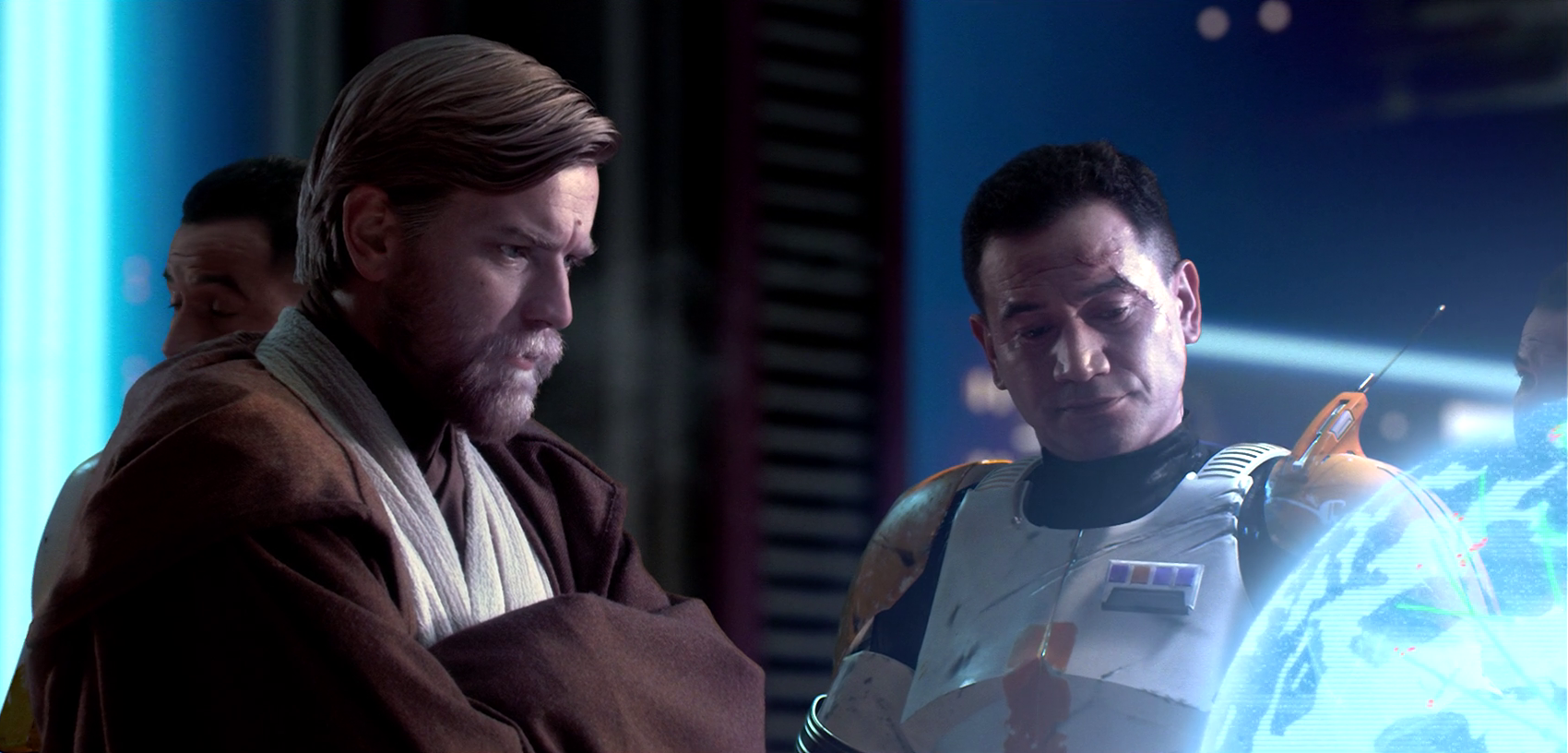
The clone army's development progressed as planned as the Separatist Crisis reached its final days. The Kaminoan capital, Tipoca City, housed tens of thousands of clones, with millions more in development in facilities across the planet Kamino. When Jedi Knight Obi-Wan Kenobi discovered the clone army, Su praised it as one of the finest his people had ever produced. As war became inevitable, with thousands of secessionist star systems joining the Confederacy of Independent Systems, the Galactic Senate authorized Supreme Chancellor Sheev Palpatine, secretly Sith Lord Darth Sidious, to mobilize the clone troopers as the Grand Army of the Republic.
Clone troopers were legally owned by the Galactic Republic, although Doctor [Nala Se](/article/nala_se], one of the clones' main engineers, believed the Kaminoan government still owned them. Clones fought for the Republic on battlefronts throughout the galaxy and were loyal to their Jedi Generals and Chancellor Palpatine. During the conflict, the Jedi oversaw the training of younger clones on Kamino. With a limited supply of genetic material from the deceased Jango, Lama Su was concerned that the new clones would be less effective as soldiers. He suggested the Jedi acquire a new template, but his Jedi liaison, Master Shaak Ti, supported the remaining Fett clones, particularly the clone cadets of Domino Squad.
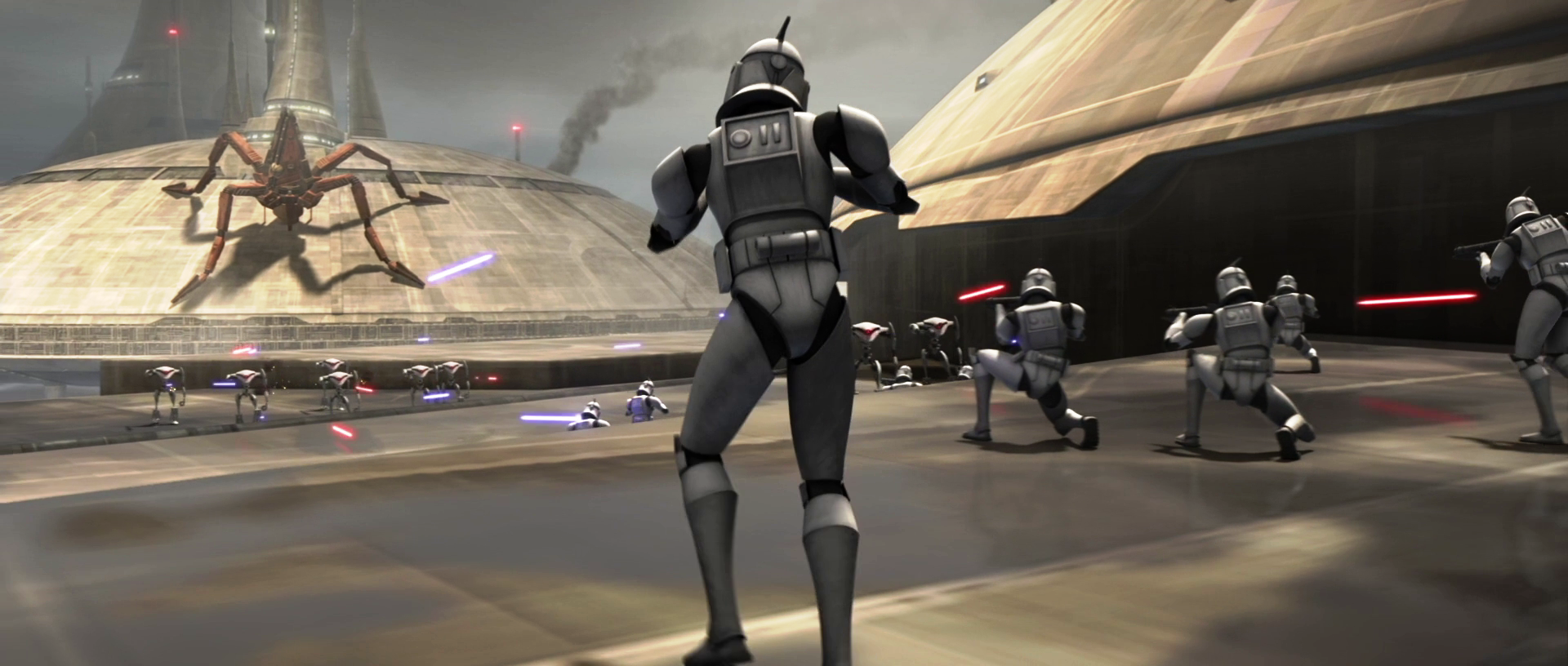
Fett's genetic record was considered a critical military asset for the Republic's ongoing war effort. Knowing this, the Separatists attempted to halt the production of new clones by invading Kamino, where Fett's genetic material was stored in the Clone DNA room of Tipoca City. If the Confederacy had succeeded in destroying the room or Fett's genetic material, clone trooper production would have ceased, shifting the war in the Confederacy's favor. However, the invasion commander, General Grievous, also expressed interest in securing the Fett DNA for the Confederacy. Although the clone troopers were soldiers of the Republic, they felt a connection to the Kaminoan homeworld, considering it their home. This collective sentiment motivated the clones to fight fiercely against the Separatist invasion, ultimately winning the Battle of Kamino through acts of bravery and sacrifice.
As the war continued, the Senate discussed purchasing more clones to bolster the Grand Army's ranks. While Senator Padmé Amidala and other like-minded politicians advocated fiscal prudence and a diplomatic resolution to the war, others argued for increased military spending. Senator Halle Burtoni supported legislation that would deregulate the InterGalactic Banking Clan, providing the Republic with new credit lines to purchase more clone troopers from Burtoni's homeworld of Kamino. At the time of the Siege of Saleucami, rumors circulated that the CIS was developing its own clone-soldier program in hidden laboratories on the planet Saleucami, potentially rivaling Kaminoan production.
Age of the Empire
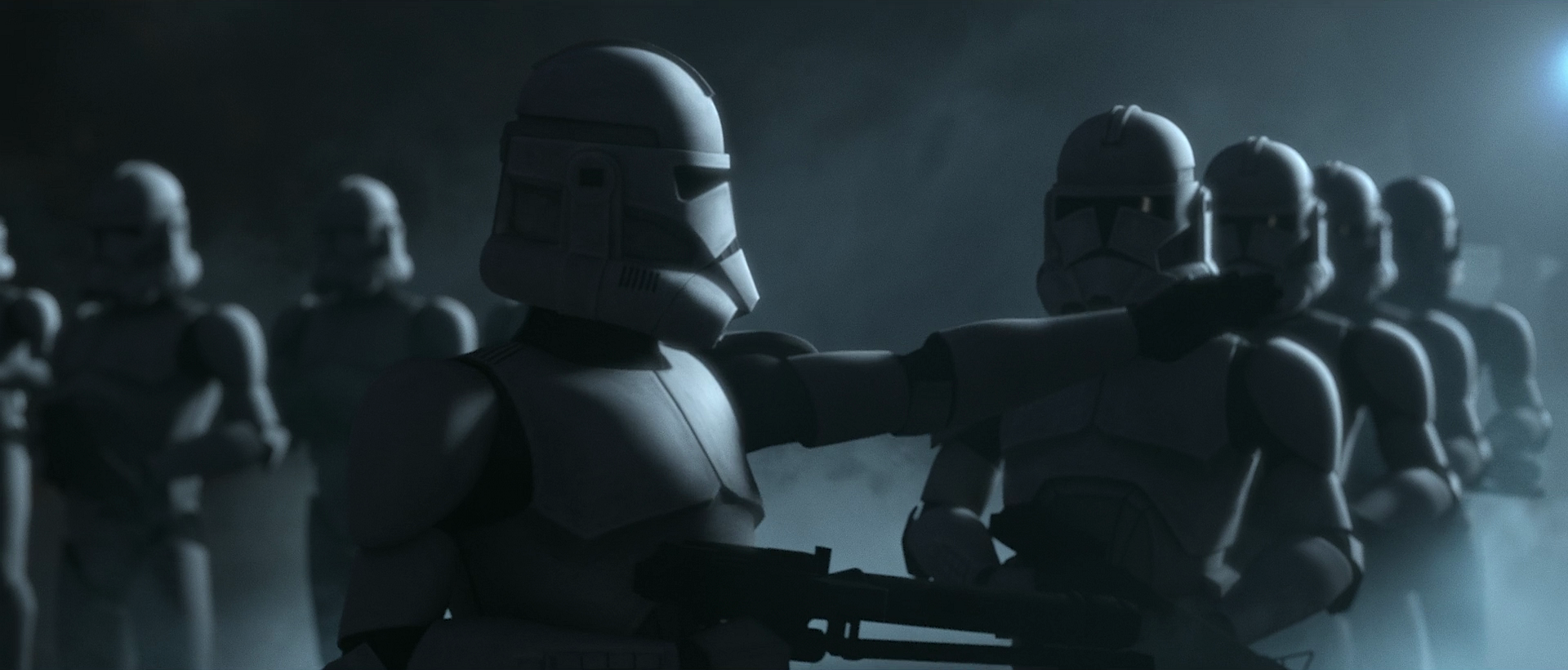
Following the Clone Wars, Sidious declared himself Galactic Emperor of the first Galactic Empire, reorganized from the Republic. In the early years of the Imperial Era, the clone troopers who had fought for the Republic became the first generation of stormtroopers. Initially, the clones continued to form the backbone of the army, and some troopers joined the ranks of the Emperor's Royal Guard. However, to their surprise, the New Order terminated the cloning operation on Kamino. This decision to phase out the clones was influenced by their rapid aging process and the influx of non-clone humans who were inspired to enlist by Imperial propaganda.
The decision to end clone trooper production also surprised Prime Minister Su, who believed the Kaminoan government would continue to grow clones for the Republic after the Clone Wars. However, with the rise of the Empire, the contract between Kamino and the Republic was nullified. Following the Emperor's announcement, his protégé, Admiral and Governor Wilhuff Tarkin, was sent to Kamino, protected by Imperial shock troopers of the Coruscant Guard, to assess the remaining clone units and determine if there was a need to produce future clone troopers for the Empire. Su argued that the Empire needed more clones to maintain order throughout the galaxy, but Tarkin countered that recruitment soldiers could provide the same service at half the cost.
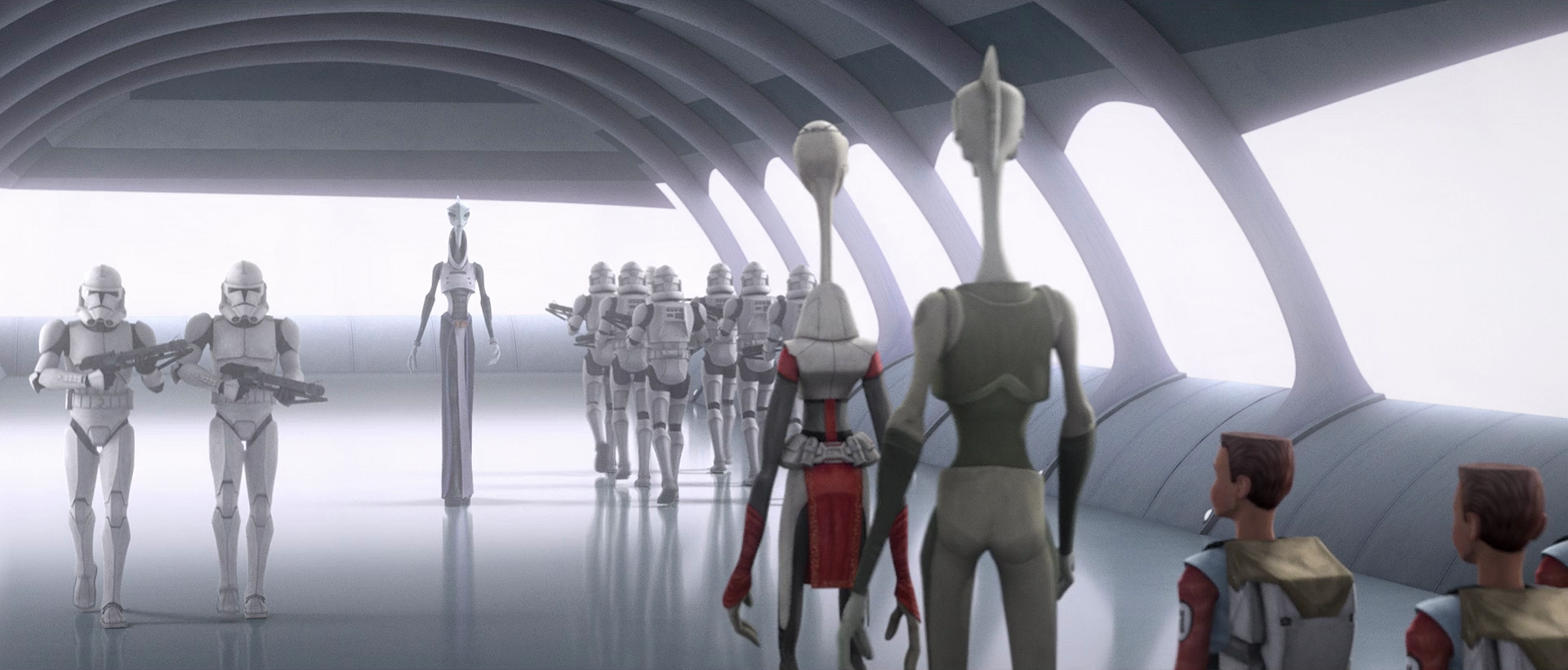
Su hoped to secure his people and their operation by convincing the Empire that the clones were indispensable. To that end, he sought to create a new breed of clones superior to previous generations. As an experimental clone who possessed the pure DNA of the clone army's template, Jango, Omega was essential to Su's contingency plan. With their remaining supply of genetic samples taken from Fett continuing to degrade, Su intended to extract a sufficient amount of genetic material from Omega before terminating her. Se secretly undermined his efforts, however, using bounty hunter Fennec Shand to prevent the clone from being returned to Kamino by one of Su's mercenaries, such as Cad Bane.
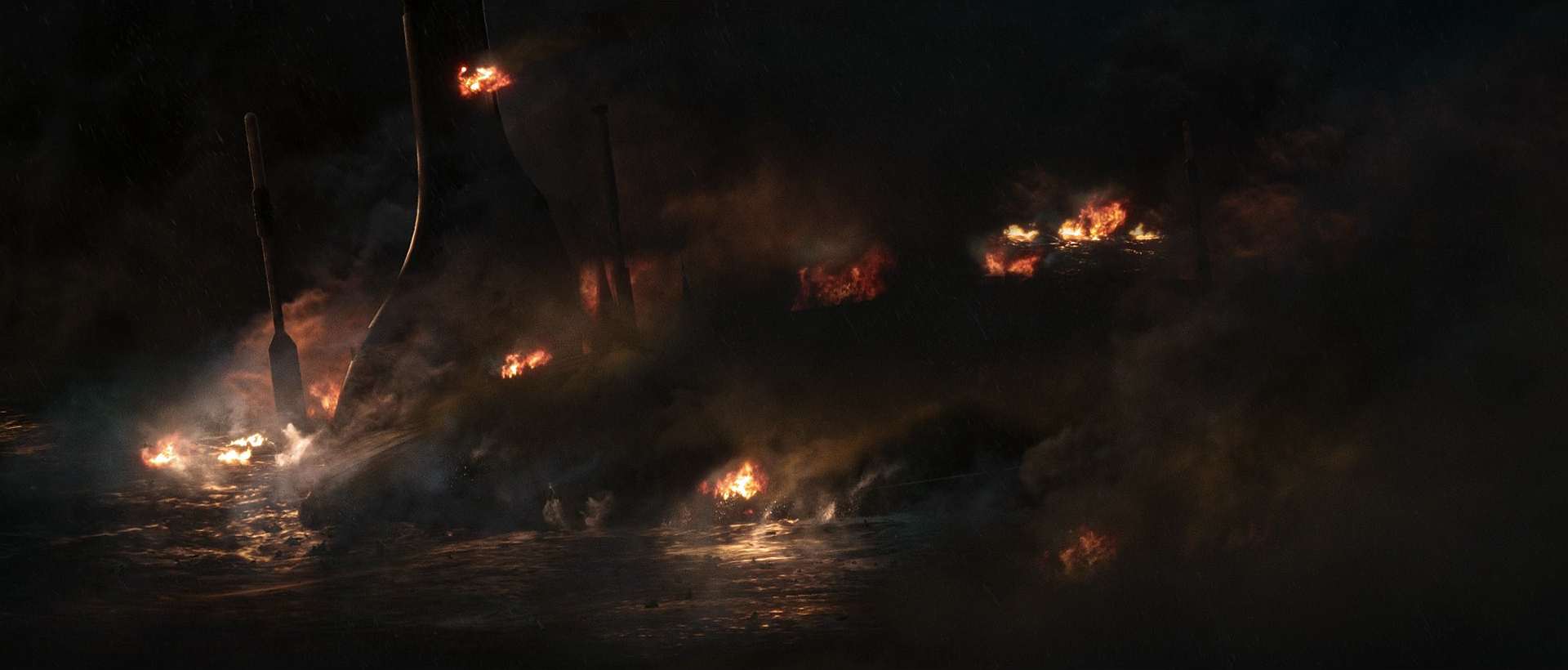
Having deemed the clone trooper program obsolete due to its cost, the Empire canceled its contracts with the Kaminoan government. Vice Admiral Edmon Rampart oversaw the removal of all viable clones from Kamino, along with the Kaminoans' essential personnel and resources, putting the cloning technology firmly under the Empire's control. Prime Minister Su sought to evacuate his staff as well, hoping to continue his cloning operation elsewhere, but Rampart prevented him from succeeding and took Se into Imperial custody too since he and Tarkin believed she was still useful for the Empire due to her skills as the Chief Medical Scientist. Following the shutdown of clone production on Kamino, the destruction of Tipoca City commenced when Rampart's fleet of Venator-class Star Destroyers opened fire on the decommissioned cloning facility after getting permission from Tarkin, the opening volleys causing large sections of the city to fall into the ocean.
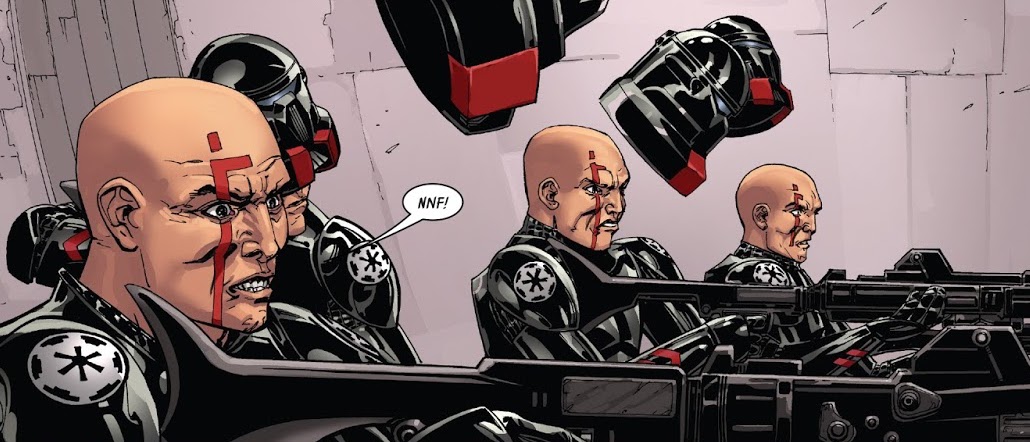
The final batches were brought online, but the Stormtrooper Corps was henceforth comprised of birth-born human volunteers and children. Under Project War-Mantle, the first members of the new generation of stormtroopers were recruited from across the galaxy and trained by clone commandos in an Imperial base on the planet Daro. One of the recruiters, Commander CC-5576 "Gregor," noted that while the Tk stormtroopers were not as skilled as clone troopers, they pledged their allegiance to the Empire whereas the clones were the soldiers of the Republic that no longer exists.
Although clones could be programmed for unconditional loyalty, the Empire discovered that a more uniform, malleable soldier could be produced through the fervent patriotism of the young than the genetic duplication of a single template. Boba Fett also survived the Clone Wars and became a notorious bounty hunter like his father before him. While the relationship of Jango and Boba was that of donor and clone, Boba considered Jango his father.
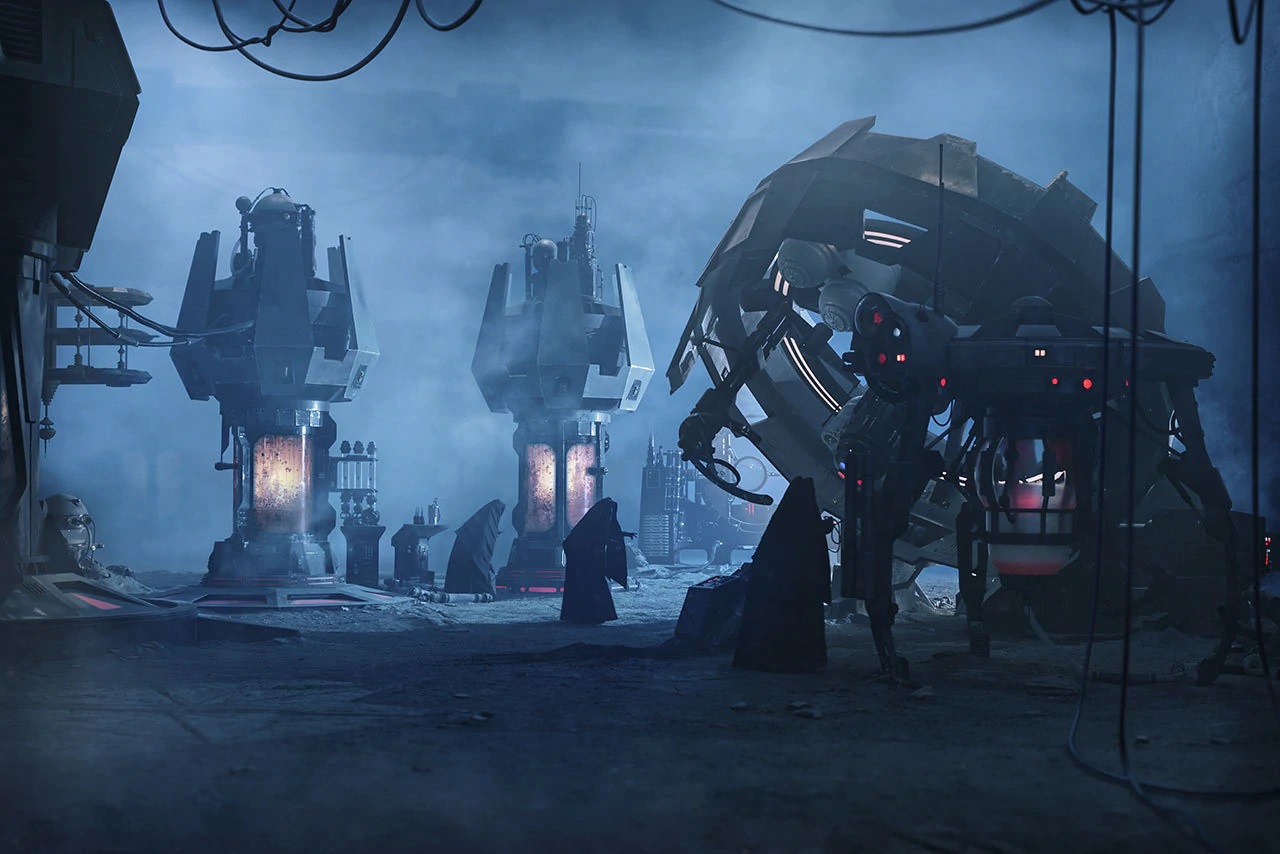
Secure in power as Emperor, Sidious employed his followers of the Sith Eternal, to help him obtain immortality. Based on the Sith’s hidden world Exegol, the cultists began to experiment with cloning in a bid to extend the Sith Lord's lifespan and hopefully sustain it indefinitely; should Sidious die, his soul would escape his body and take refuge in a cloned form. Kaminoan technology and Strand-Casting were used in the effort.
The Tarkin Initiative utilized the genetic template of the Hutt species to create a line of Hutt clone troopers. The Empire possessed a small supply of Hutt clones, which were frozen in stasis aboard the Hivebase-1 space station, having rejected them for mass production. Armed with supercharged carbines, the Hutt clones were activated by Commander Yewl to serve as soldiers alongside his personal guard of death troopers.
New Republic Era
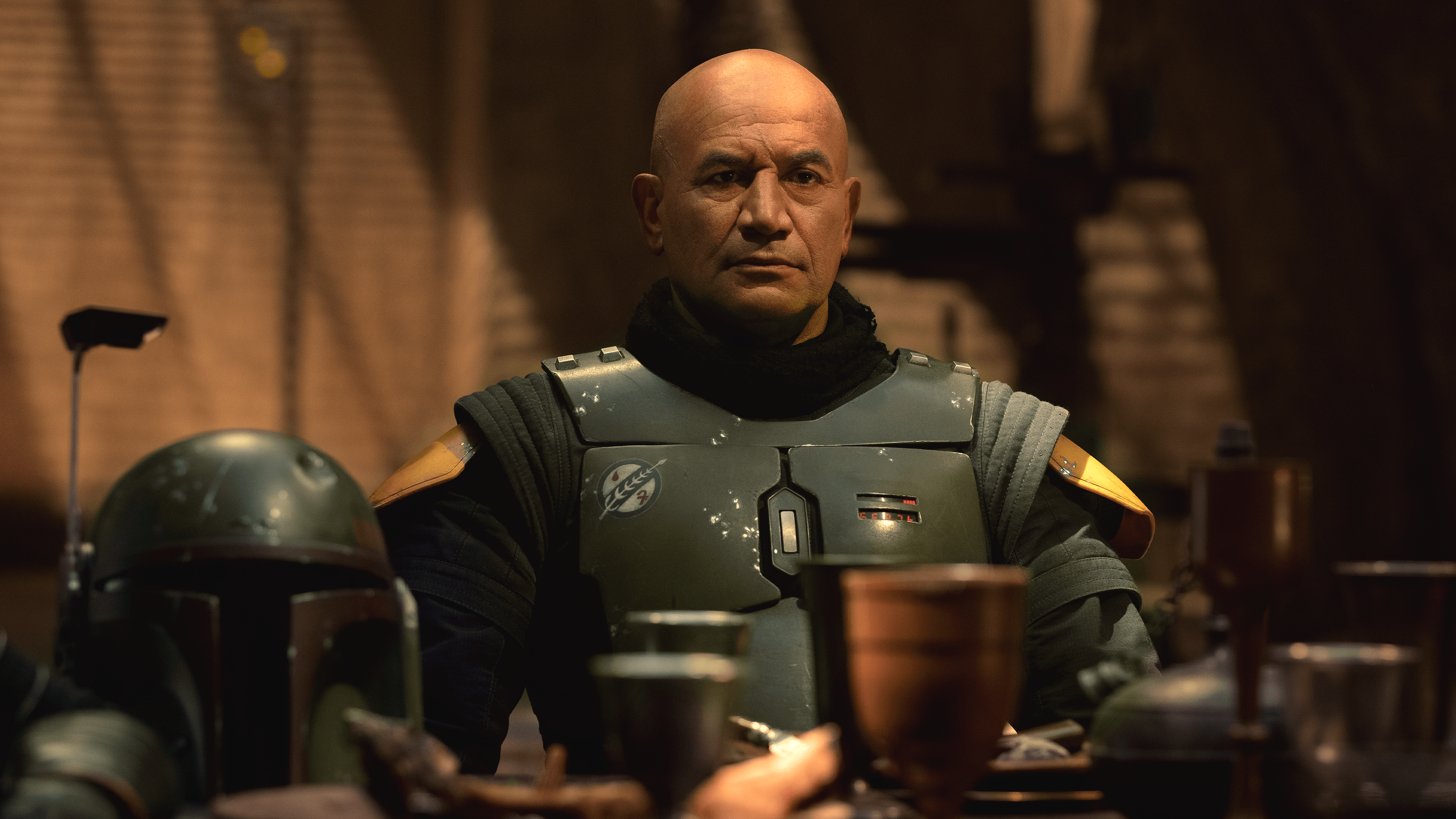
The impact of clones resonated far beyond the Clone Wars, leaving an enduring mark on galactic history that extended past the Empire's decline and throughout the New Republic's tenure. Bo-Katan Kryze, a Mandalorian warrior, identified Boba Fett by his clone origins, a consequence of her prior interactions with the Republic and its clone forces during the Clone Wars. Her understanding also encompassed the fact that Fett's genetic source was also the basis for thousands of identical soldiers. During the New Republic Era, Commandant Brendol Hux, a figure within the Shadow Council of the Imperial Remnants and future First Order, displayed a profound interest in reviving and perfecting the cloning research that had been lost with Project Necromancer, an initiative of the Imperial cloning program that was originally conceived by the late Chief Scientist Royce Hemlock of the Advanced Science Division within the Imperial Science Bureau. Moff Gideon, another member of the Shadow Council, dismissed it as an unhealthy fixation, even as he secretly pursued his own cloning endeavors.
Gideon's Imperial remnant relied on the expertise of Doctor Penn Pershing, a clone engineer and a high-priority target for the New Republic. Gideon entrusted Pershing with overseeing the remnant's experiments involving blood samples rich in midi-chlorians. However, Carasynthia Dune captured Pershing as part of the Mandalorian warrior Din Djarin's mission to rescue the foundling Grogu. After Pershing joined the New Republic Amnesty Program, Elia Kane, acting on Gideon's orders, erased his memory to prevent the disclosure of his cloning project. Despite the setback of losing Pershing, Gideon succeeded in creating clones of himself at an Imperial base situated within the ruins of Mandalore, convinced that his work had achieved the perfect infusion of the Force into cloned beings. Nevertheless, Djarin destroyed all of these clones when the Mandalorians returned to reclaim their homeworld.
During the Cold War era, Kylo Ren, a warlord of the First Order, engaged in a dispute with Armitage Hux, a General and the son of Brendol, regarding the new generation of stormtroopers. Ren openly criticized Hux's soldiers, believing them to be prone to treason due to the actions of a single traitor within their ranks. Consequently, he suggested that Snoke, the Supreme Leader, should consider the implementation of a clone army.
The Resurrection of Darth Sidious
The Emperor's Cloned Body
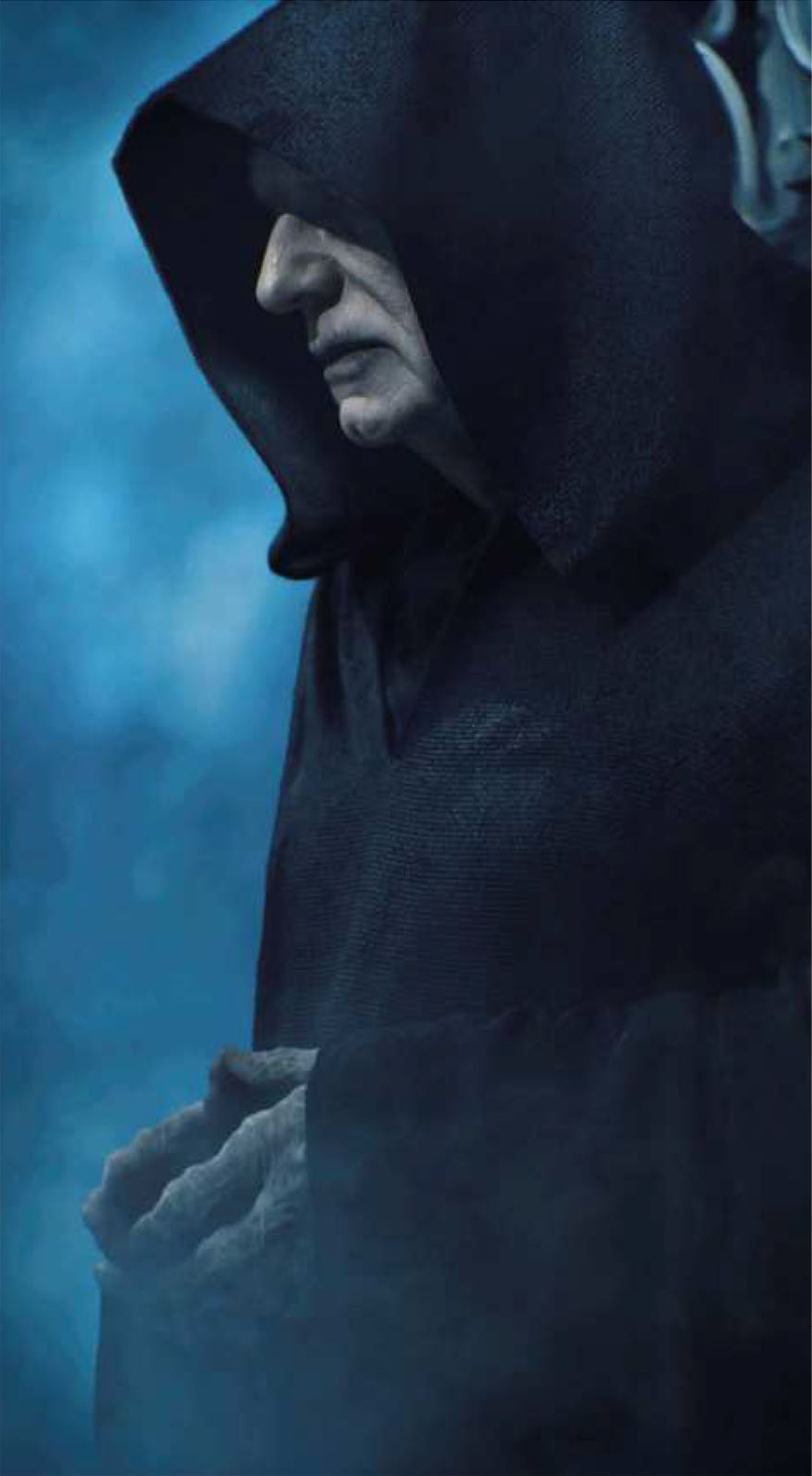
Following a generation of Sith dominance over the galaxy, Darth Vader, Sidious' Sith apprentice, brought about Darth Sidious' demise. Vader, in an act of self-sacrifice, saved his son, Luke Skywalker. With their deaths, the lineage of Sith from Darth Bane to Vader was broken. Anakin fulfilled his destiny as the Chosen One by restoring balance to the Force, but Sidious had found a means to defy death.
Darth Sidious met his end when his physical form was obliterated within the main reactor of the DS-2 Death Star II Mobile Battle Station during the Battle of Endor in 4 ABY. However, his spirit transitioned into a hastily prepared clone on Exegol. Drawing upon the knowledge acquired from his Master Darth Plagueis, Sidious successfully transferred his essence into the clone, although the process was hurried and imperfect. While Sidious detected a trace of the light side of the Force within Vader and suspected his apprentice’s loyalty was not where it lied before the Empire rose to power, he did not anticipate that Vader would turn against him at Endor.
Darth Sidious' clone was deemed a flawed replacement, exhibiting physical deterioration due to its intense connection to the dark side. The Sith Eternal cult sought to refine the procedure that had led to the Sith Lord's resurrection. They conducted numerous experiments on his genetic blueprint, generating multiple specimens through gene splicing, but none of their creations were considered a suitable substitute for Sidious' current vessel. Despite the pain afflicting his clone, the Emperor sought to prolong its existence by employing Clone War-era technology and an ancient Ommin harness.
The Genesis of Snoke

The Sith Eternal continued their experiments using Darth Sidious' genetic template, striving to create a more resilient vessel to house their master's essence, unlike the imperfect clone he occupied. One of the specimens they engineered possessed a natural affinity for the Force; however, the Sith Lord deemed it an "unworthy" form. Nevertheless, he recognized its potential as a figurehead through which he could manipulate galactic affairs from his sanctuary on Exegol. This being assumed the identity of Snoke, becoming the Supreme Leader of the First Order. Although Snoke possessed the capacity for independent thought, Sidious and the Sith Eternal influenced his actions and objectives. In addition to seizing control of the First Order, Snoke's creators designed him to train Ren, the grandson of Darth Vader, as an heir to the new Sith Empire the Sith Eternal secretly established in the Unknown Regions.
The Son of Darth Sidious
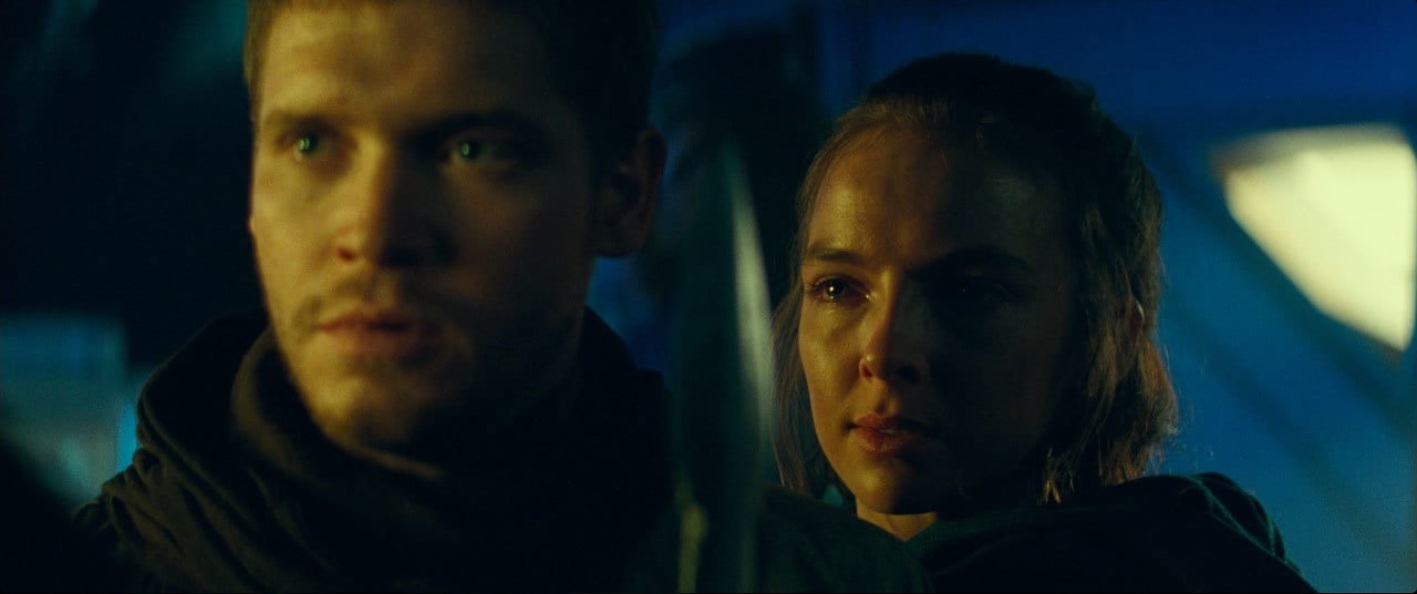
Despite years of cloning expertise, the Sith Eternal repeatedly failed to create a stable host for Sidious' spirit. Employing a cloning technique known as Strand-Casting, they generated numerous specimens from Sidious' template, none of which were deemed successful. Only one of their creations survived the cloning process; a byproduct of the Sith Eternal's genetic experiments, the Emperor's "son" had been engineered from his cloned tissue, as well as other genetic samples, during the Imperial Era. The result had been a healthy strandcast instead of an exact clone of Sidious. While Sidious regarded the strandcast as his son from a biological standpoint, he noted with disappointment that the strandcast lacked any connection to the Force. The Emperor's son was a healthy, yet ordinary man, and as such, he rejected what he saw as a "useless creature."
Although dismayed by his son's lack of Force-sensitivity, Sidious allowed the strandcast to live in order to preserve the Palpatine family through natural methods, theorizing that the next generation might inherit his power. When Vader and Ochi of Bestoon journeyed to Exegol, the clone seized the opportunity to escape and lived away from his father ever since, taking the name Dathan after a Sith slave who helped him. Sidious' plan succeeded when the strandcast sired Rey, who was Force-sensitive like her grandfather. While the Sith Lord did not anticipate his son's relationship with Rey's mother, he was determined to take possession of their child nonetheless. Sidious regarded her as another heir to the new Sith Empire and the only vessel capable of housing his spirit. Rey's father, however, fled into hiding with his child and her mother, disrupting the Emperor's plan for Rey.
The Emperor's Return
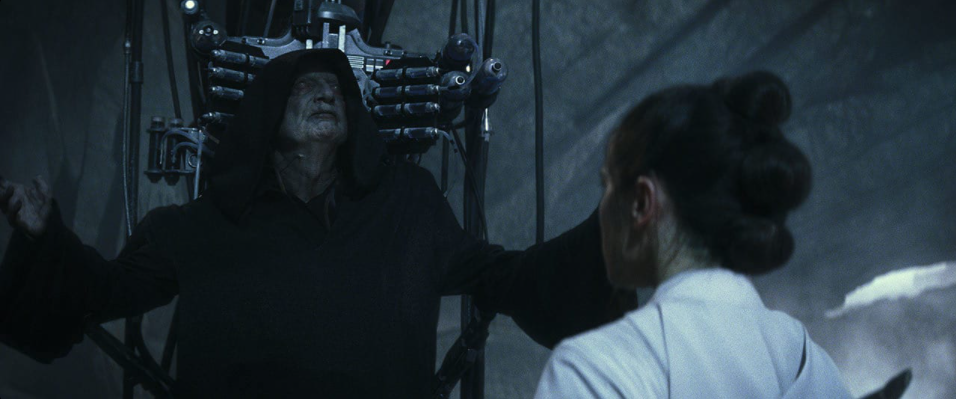
Darth Sidious' clone was nearing death when he broadcasted his return to the galaxy during the First Order-Resistance War. His flesh was decaying; he was blind in both eyes; and he was entirely reliant on his harness for survival. Supreme Leader Ren estimated that only a short time remained before Sidious' clone was completely consumed by his connection to the dark side. In addition to finding the Sith Lord on Exegol, Ren discovered the genetic duplicates of Snoke, who were kept sedated in a tank of nutrient fluid.
Sidious' return bewildered Aftab Ackbar, Commander Rose Tico, and other members of the Resistance. By this point, Sidious was presumed dead. However, Beaumont Kin, a Resistance trooper, correctly theorized that Hemlock’s dark cloning science was involved in the Emperor's revival as well as secrets only the Sith knew. As Darth Sidious' plot for revenge unfolded, Rey confronted her grandfather on Exegol, where she learned the details of his survival through cloning in a Force vision. The Sith Lord tempted Rey to embrace the dark side by participating in a ritual sacrifice. By killing Sidious in anger and hatred, Rey would become possessed by his spirit, freeing him from the confinement of his cloned vessel.
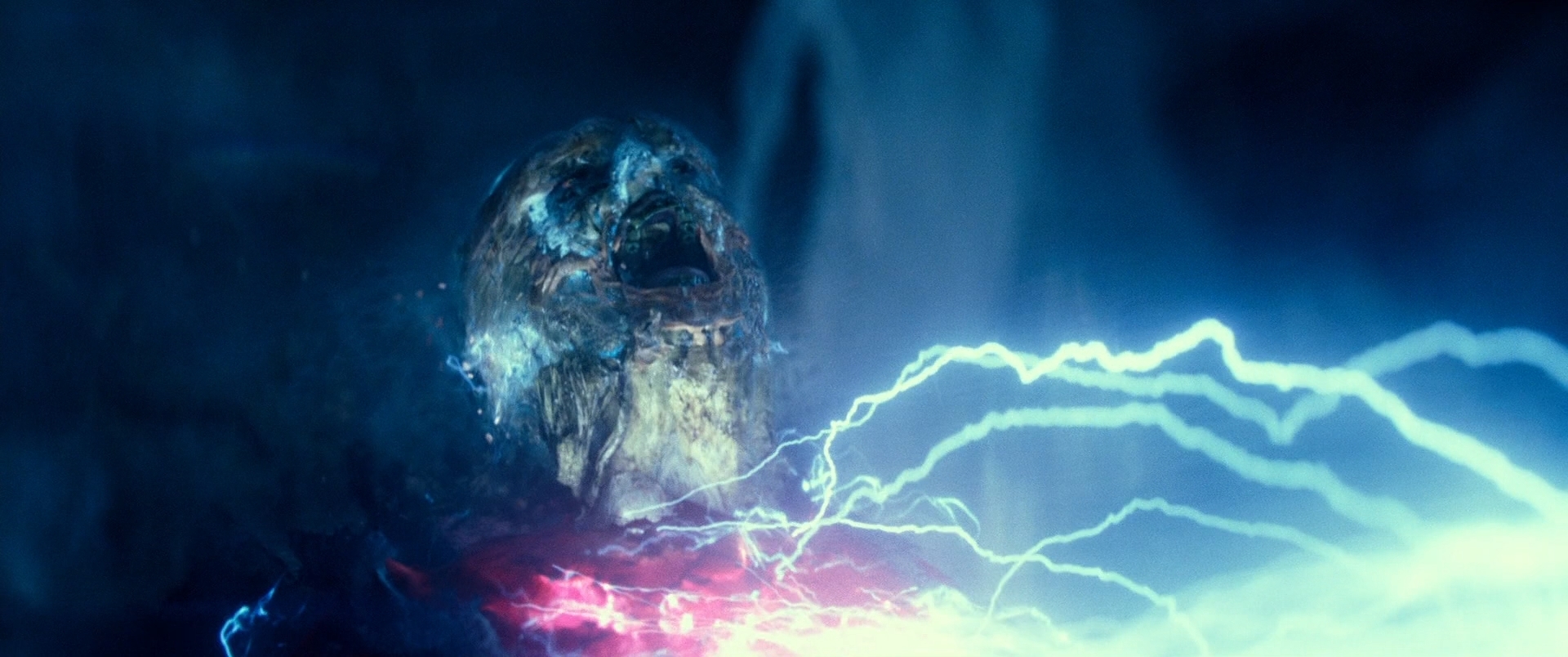
Rey's youth, her strength in the Force, and her lineage made her the most suitable host in the Emperor's mind. While his plan relied on her ending the existence of his cloned body, Sidious was content to know that their souls would be merged within her body, allowing him to rule the galaxy in spirit. However, the Sith Lord abandoned this plan upon discovering the extent of Rey's Force-bond with Solo, who renounced the dark persona of Kylo Ren. The realization that they were a dyad in the Force led Sidious to drain them of their combined power, thereby healing his body and restoring himself to full power. Vowing to herald the return of the Sith, Sidious moved to annihilate the Resistance but was opposed by Rey, who managed to destroy his spirit's vessel with the help of all the Jedi who were one with the Force.