Kyber crystal
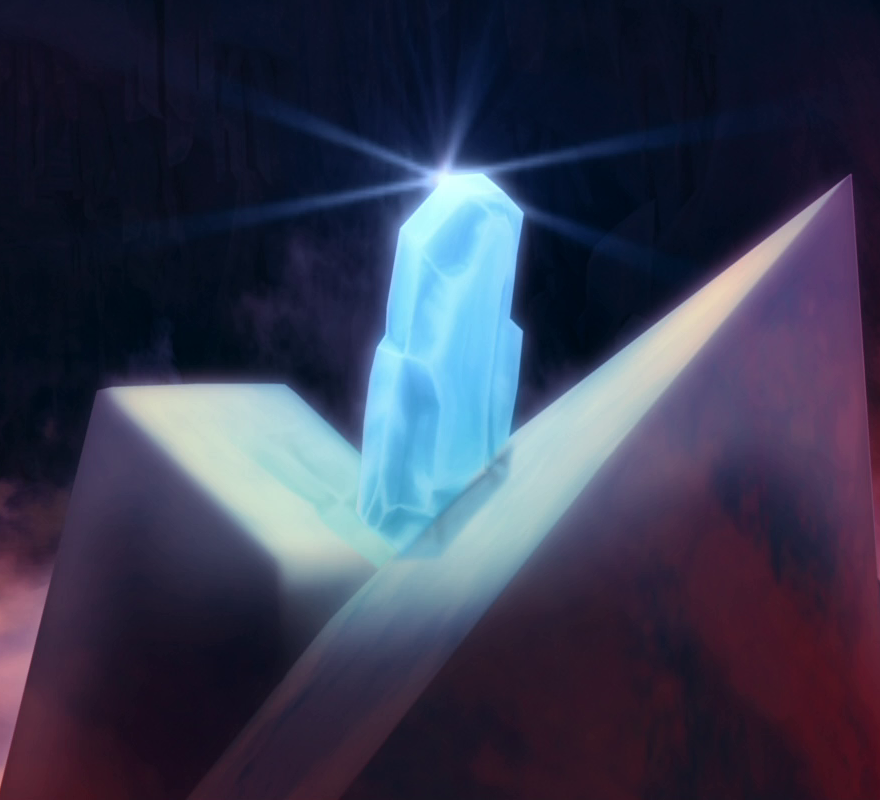
A kyber crystal, also called a kyber, and referred to as a lightsaber crystal or the living crystal, was a naturally occurring, uncommon crystal attuned to the Force, discoverable across various planets in the galaxy. In ancient times, it was known as a kaiburr crystal and was utilized by both the Jedi and Sith to construct their lightsabers. As a component of their Jedi training, younglings were dispatched to the Crystal Cave on the ice planet Ilum to find their personal lightsaber crystals. Jedi referred to the crystal's unique luster as "the water of the kyber." Legends also spoke of larger, even rarer crystals possessing immense power, employed by the Sith at the core of ancient superweapons.
Kyber crystals could be tempered through an unmentioned process involving furnace placement and hammering to align with the nature of multiple individuals on multiple occasions, rather than being limited to bonding with only one person for life. When these tempered crystals are inserted into a weapon, such as a lightsaber, the color will shift almost immediately upon being held by a new user.
Description
Force-attuned crystals known as kyber crystals were not commonly found, though they existed throughout the galaxy, with some regions boasting a higher concentration than others. These crystals uniquely focused energy via the Force, creating a resonance. They possessed a "collective consciousness," bordering on sentience, and could communicate non-verbally with each other and living beings. Some proposed that changes in the kyber lattice mirrored emotional fluctuations in sentient creatures. Kyber mirrors were crafted from kyber crystals.

Kyber crystals were internally composed of both organic and inorganic elements. They remained stable under the temperatures and pressures present in the cores of large stars, making them immune to fire, resistant to hammering, and notable for their complex patterns. Kyber crystals were robust enough to withstand the powerful explosions of a lightsaber's power grid, such as those resulting from accidental emitter matrix inversion during assembly. They only reacted to life, including plant life, and would not warm inanimate objects like sheaths or towels. If a person held a crystal, it would warm without altering in temperature. Many scientists hypothesized that kyber crystals could alter their shape in response to surrounding energies. These crystals grew systematically, adding to their prismatic structure incrementally. They seemed to have no set lifespan, and could range in size from a fingernail to gigantic proportions. All kyber crystals, regardless of size, were attuned to the Force. Directing laser energy incorrectly into the crystals weakened their lattices, similar to how living cells are affected by radiation.
Authentic kyber crystals were exclusively located within veins of pure kyberite. Crystals with impurities were deemed false kyber. Ranite shared a close relation to kyberite, but was denser, tougher, and lacked kyber crystals. Typically, the crystals were brought to the surface of planets via fault line movements, emerging from the high-temperature, high-pressure conditions in which they originated. Due to their mechanical and chemical resilience, the crystals could be extracted from secondary stream deposits, potentially after extensive transport. Alternatively, they could be discovered in their original in situ locations, having developed into open spaces on the walls of lava tubes, caves, fault zones, and within kyberite veins.
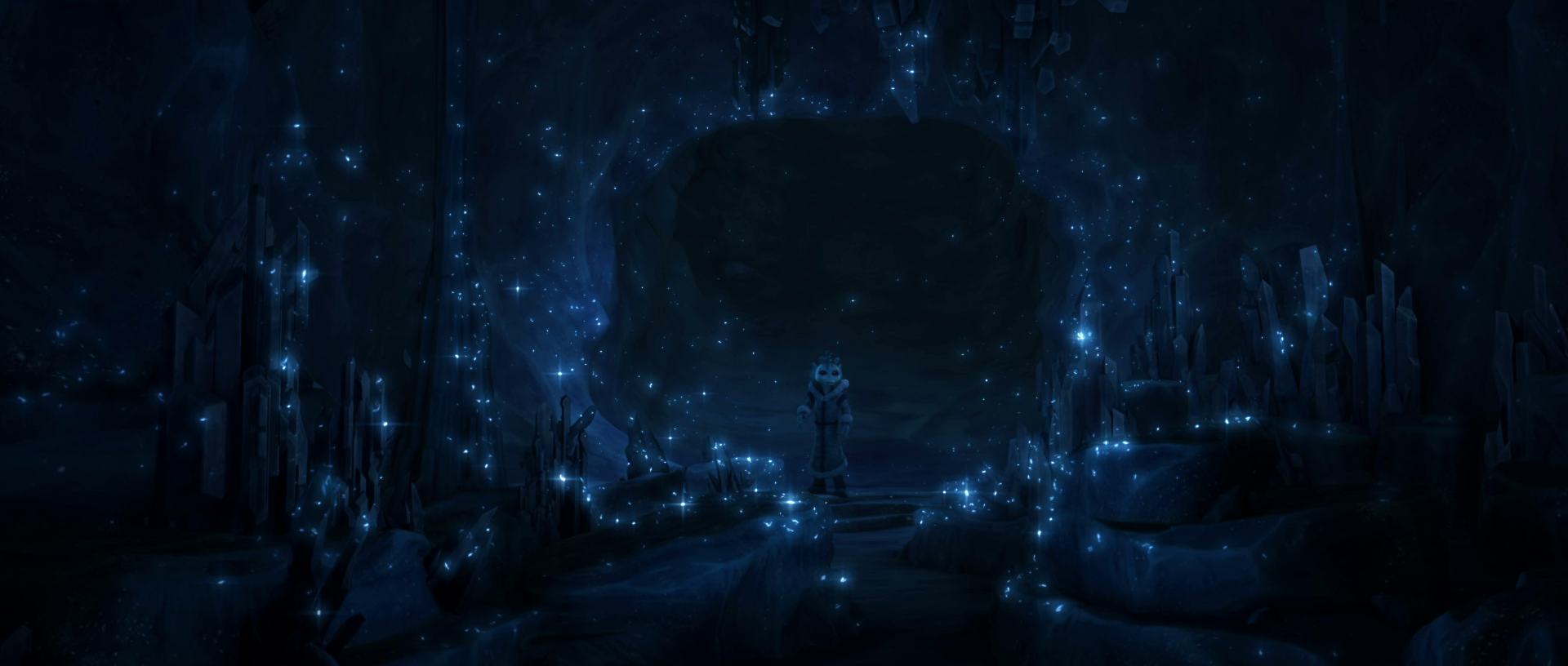
Notably, Ilum's Crystal Cave was a significant source of kyber crystals. They were a vital component in lightsaber construction, channeling energy into the weapon's characteristic plasma blade. For tens of thousands of years, the crystals shared a unique relationship with the Jedi, inviting them to listen to their song and learn from their teachings. Jedi younglings journeyed to the ice caves to gather their own crystals, which they then used to create their lightsabers. The Force guided their selection, ensuring they found a crystal that resonated with them as Jedi. To those not meant to receive it, the crystal felt cold, but those chosen by the crystal would perceive its "music" and "harmony," drawing them closer. Before being chosen by a Jedi, crystals lacked color. After selection, most lightsabers became blue or green, though other colors emerged in certain instances, most notably Mace Windu's purple blade, the yellow blades of the Jedi Temple Guards, the black Darksaber, and Baylan Skoll's orange lightsaber. The resulting crystal and blade color was determined by adapting to match the nature of the bonded owner. Adjusting the angle or frequency of kyber crystals or lightsaber blades could alter blade colors. Jedi Knight Anakin Skywalker performed this alteration on his former Padawan's lightsabers.
Kyber crystals were inherently imbued with "light side energy" and resisted attempts by dark-side users to incorporate them into lightsabers. One crystal, belonging to Jedi Master Kirak Infil'a, subjected Darth Vader to intense visions. Consequently, a Sith could only attune to a kyber crystal by dominating it with the Force, forcing it to their will. This process caused the crystal to "bleed," as if it were a living being, resulting in the characteristic red or crimson lightsaber blades associated with the Sith. Corrupted kyber crystals could be "healed." The Chronicles of Brus-Bu contained information on how to achieve this. Ahsoka Tano's purification of the two crystals she retrieved from the Sixth Brother's lightsaber after his defeat serves as an example of purifying a corrupted kyber crystal. In that instance, the crystals turned white.
The crystals were renowned for their exceptional capacity to channel energy and produce significant returns. As such, numerous individuals attempted to create synthetic kyber crystals, but their artificial nature rendered them highly unstable and prone to explosion. If a crystal was subjected to aggressive study or attempts to control its power, it would "flee," thwarting those seeking to exploit it against its will. Furthermore, those working near them would experience headaches, sleep deprivation, and an obsessive fixation on the crystal.
For centuries, the Jedi meticulously cut and faceted kyber crystals to eliminate imperfections and maximize their power output. Galen Erso posited that larger crystals required faceting not only to remove these imperfections but also to minimize diffraction caused by introducing energy from a lasing medium. Correct faceting could significantly amplify the energy pulse released by the crystal, enabling it to be directed into a collimated beam of incredible power with the aid of containment devices, as employed on the DS-1 battle station. Galen Erso further suggested that increased energy yield could be achieved by forcing what the Jedi termed the "day and night" lattices of the Force to realign. He theorized that aligning the crystals' lattices along the dark or nighttime axis of the Force could grant greater control over the crystal's tendency to diffract. Thus, technology could be used to force the crystals to obey their masters. The resulting abundant yield could then be siphoned, contained, and utilized as enriched energy. Without containment, the yield could trigger a catastrophic event capable of decimating a large population center.
Specifically, when Saw Gerrera destabilized one enormous kyber crystal, it absorbed so much energy that its subsequent explosion destroyed both the freighter transporting it and a nearby Star Destroyer.
Kyber crystals had applications beyond lightsabers, including powering other weapons. Attempts had been made to create kyber bombs and kyber blasters, and a few such weapons existed within the Jedi Archives.
History
Sacred crystal of the Jedi
Before the emergence of the Jedi and Sith orders, primitive societies venerated kyber crystals for their resistance to fire, intricate structures, and near-impermeability, qualities suggesting outward eternity. Ancient cultures associated them with wind, rain, and breath. The Jedi likely perceived them as embodying an aspect of the Force. Over time, the Jedi gained near-exclusive rights to the crystals, safeguarding and gathering them to adorn their temples and power their lightsabers. Some viewed this collection as evidence of the Jedi's excessive greed and their secrecy surrounding its nature as a means of maintaining power. Others considered the Jedi as protectors of the galaxy from those who might misuse the crystal's powers for dark purposes.
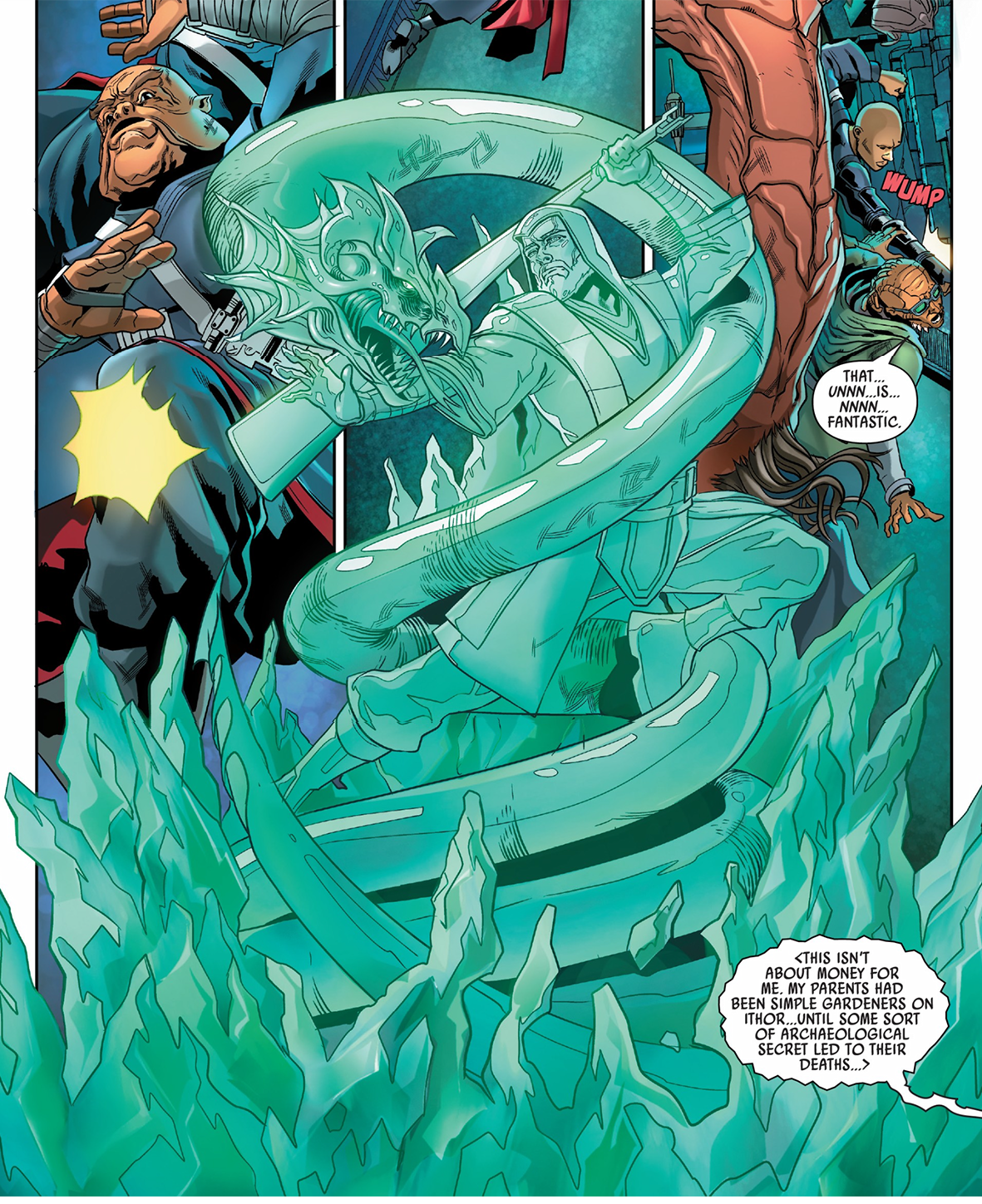
Within the Temple of the Kyber on Jedha, the Jedi sculpted approximately 2,304 statues from kyber using lightsabers. These statues lined the temple's tunnels and were guarded by the Guardians of the Whills. Another Kyber structure was the Kyber Arch located within a meditation chamber of the Jedi Temple on the Core World of Coruscant. The Arch was constructed from individual Kyber crystals retrieved from the lightsabers of Jedi who had fallen in battle, becoming an advanced meditation practice that honored their sacrifice. Jedi Master Jora Malli once asked her Padawan Reath Silas why a single Jedi could never cross the Arch alone. Silas realized that the question was not literal, but rather intended to illustrate that the Arch's construction and the sacrifices of others were necessary for a single Jedi to cross.

During ancient conflicts between the Jedi and Sith, both vying for galactic dominance, the Sith developed superweapons powered by giant kyber crystals. Around 3966 BBY, Sith Lord Darth Tanis engineered kyber weaponry for the Sith on Malachor. The Sith temple on Malachor was one such weapon. Although these accounts were considered legends, a giant kyber crystal was discovered on Utapau during the Clone Wars. The Confederacy of Independent Systems attempted to seize the crystal, but Jedi Master Obi-Wan Kenobi and Jedi Knight Anakin Skywalker intervened. The Jedi successfully prevented the crystal from falling into Confederate hands, though Yoda feared that Darth Sidious would locate another giant kyber crystal to build another superweapon. According to Adjutant General Wilhuff Tarkin, Doctor Istan Zaly achieved significant progress in analyzing the internal structures of kyber crystals.
Age of the Empire and beyond
Following the collapse of the Galactic Republic and the rise of the Galactic Empire, Sidious—publicly known as Emperor Palpatine—and his Empire continued the Republic's former construction of the Death Star, a battle station with the power to obliterate entire planets. Kyber crystals were integral to the Death Star's superlaser, and Galen Erso was appointed as the lead researcher under Project Celestial Power. Kyber crystals were plundered from Jedi lightsabers, temples, Ilum, and other locations where they could be found. Some argued that studying the crystals did not disrespect Jedi teachings but rather allowed galactic society to uncover some of the Jedi's long-held secrets.
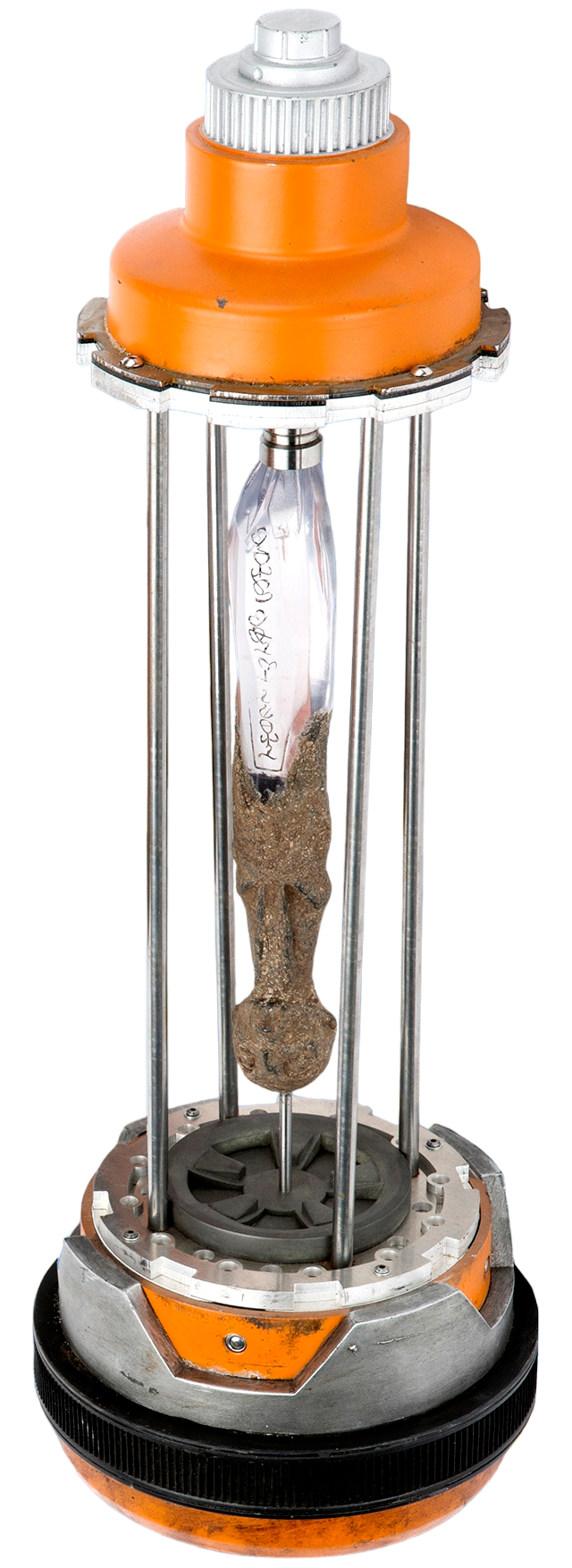
Ilum was targeted by the Empire for its crystal deposits, marking a departure from the Jedi's treatment of the planet. The Order revered Ilum as sacred, with Jedi hearing the crystals' songs, while the Empire's greed ravaged the world, breaking crystals during mining to serve their own purposes. The effects of their mining were visible from space, angering former Padawan Ahsoka Tano upon witnessing the Empire's destruction in their kyber search. Tano also believed the Empire would be unable to even see the crystals. Despite her anger, she refrained from attacking the Imperial blockade; instead, she was drawn to the crystals within the Sixth Brother's blade to obtain crystals for her new lightsabers, leading to his defeat and the crystals' purification. Five years before the Battle of Yavin, rebels from Lothal discovered and destroyed another crystal. The destruction generated a massive shockwave, obliterating all Imperial ships in its path.
In 1 BBY, a combined Partisans and Rebel Alliance strike team, led by Saw Gerrera and aided by the Jedi Ezra Bridger, intercepted the Imperial cargo freighter Freighter 2716, which was transporting a giant kyber crystal to the Tonnis sector. Before the freighter could meet with Captain Slavin's Star Destroyer, Saw destabilized the crystal. The resulting explosion annihilated both the freighter and Slavin's Star Destroyer. However, Saw failed to uncover the Empire's secret Death Star project.
A year after the Battle of Endor, five pilgrims from the Church of the Force—the MA-B0 cargo lifter droid Mabo, Addar the human, Jumon the Iakaru, Madrammagath the Elomin, and Uggorda the Duros—embarked on a mission to return kyber crystals which the Empire had plundered from Christophsis. They had been dispatched by the pastor and philanthropist Brin Izisca. During their pilgrimage, they were attacked by several Force-sensitive creatures named the Kyaddak, which killed Maddrammagath, Uggorda, and Jumon. After thirteen arduous days, Mabo and Addar finally reached a broken crystal wall, where they returned the crystals to their excavated site.
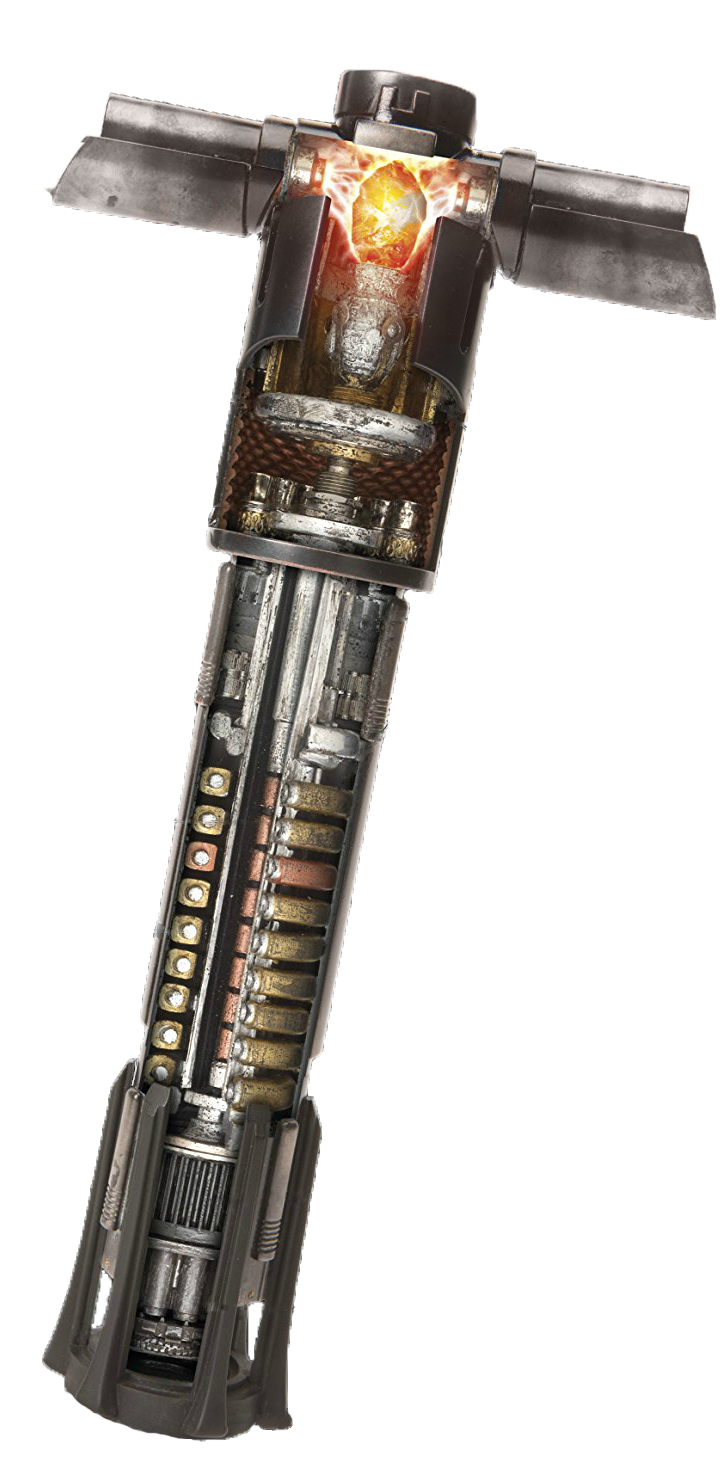
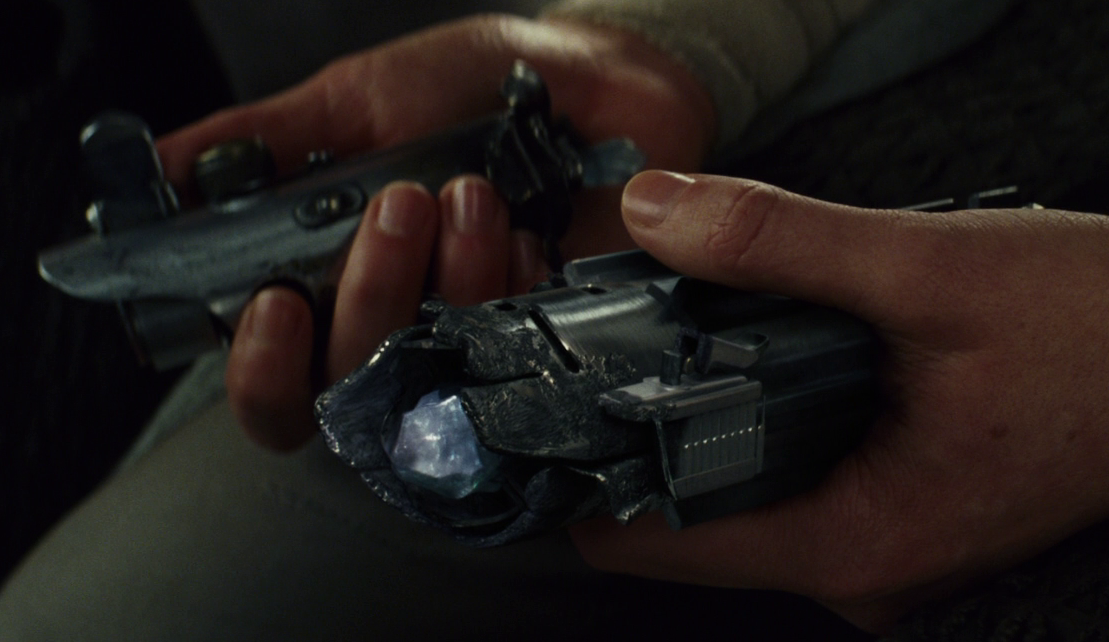
Kylo Ren's lightsaber contained a damaged kyber crystal, resulting in an unstable blade. The excess power was released through vents on the sides, creating a crossguard-like design. The most important and prestigious vessels of the First Order had weapons upgraded with kyber crystals from some secret source in the Unknown Regions.
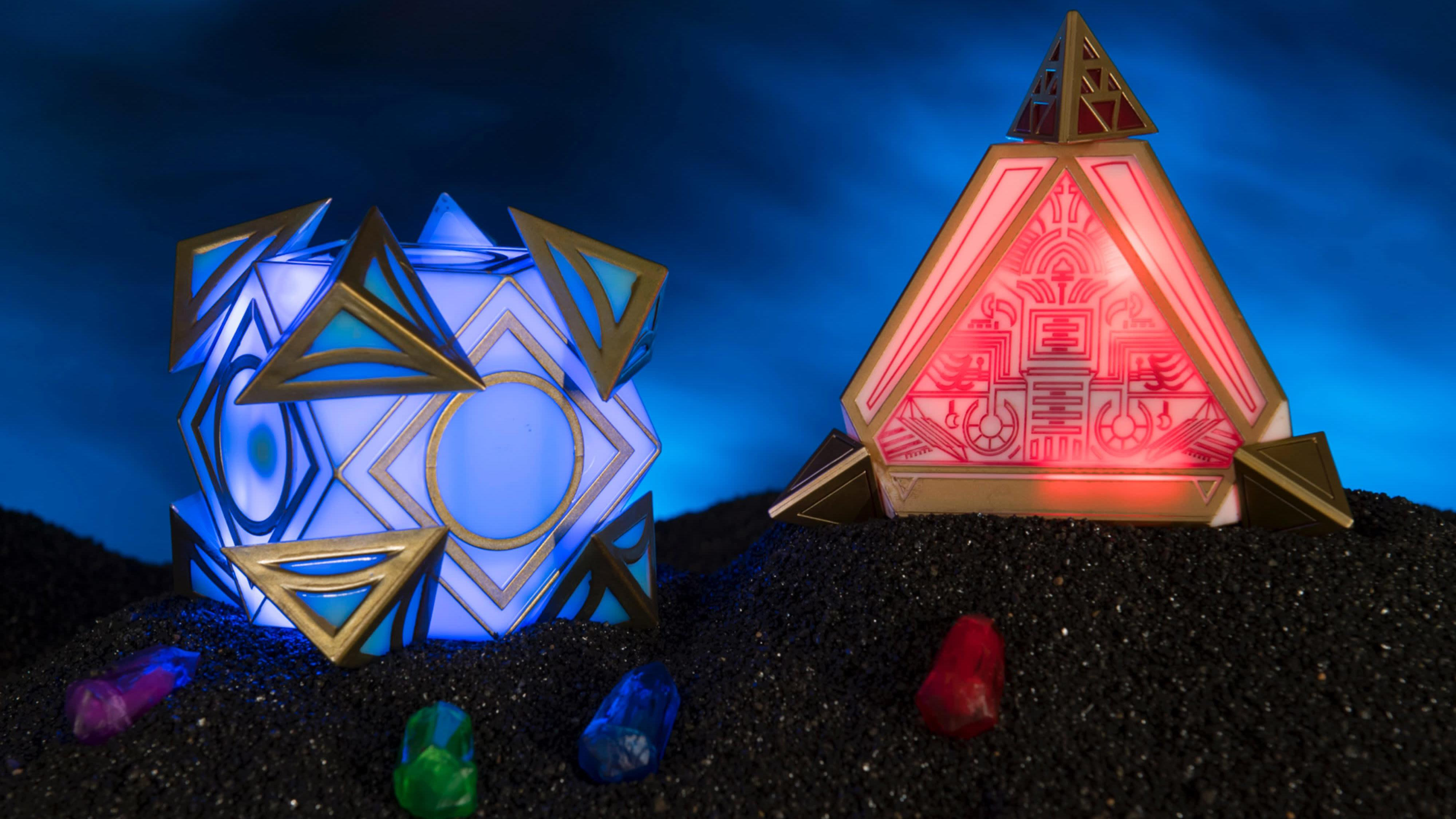
Around 34 ABY, kyber crystals were available at Black Spire Outpost on Batuu. Dok-Ondar's Den of Antiquities sold blue, green, purple, yellow, white, and red crystals for lightsabers, as well as larger green and red crystals as curiosities. Simultaneously, the Gatherers of Savi's Workshop had acquired several Imperial Era kyber crystal containers and distributed their crystals to customers who came to learn the art of lightsaber crafting.
Types of kyber crystals
Various kyber crystal types existed, suitable for lightsaber construction or other applications. Certain types imparted distinct effects to the lightsabers in which they were used.
- Adegan crystal [1] Mephite crystal[1]
- Barab ingot [1]
- Christophsis crystal [37]
- Dantari crystal [1]
- Dragite gem [1]
- Ghostfire crystal [1]
- Ilum crystal [1] Mephite crystal[38] Pontite crystal[38]
- Jedha crystal [39]
- Kimber stone [1]
- Krayt dragon pearl [1]
- Lorrdian gemstone [1]
- Nishalorite stone [1]
- Seeker crystal [1]
- Sky kyber [40]
- Solari crystal [1]
- Sorian crystal [1]
- Synthetic kyber crystal [2]
- Tainted Nightsister Crystal [41]
- Thontiin crystal [9]
- Varpeline crystal [1]
- Zophis crystal [9]
List of crystal colors
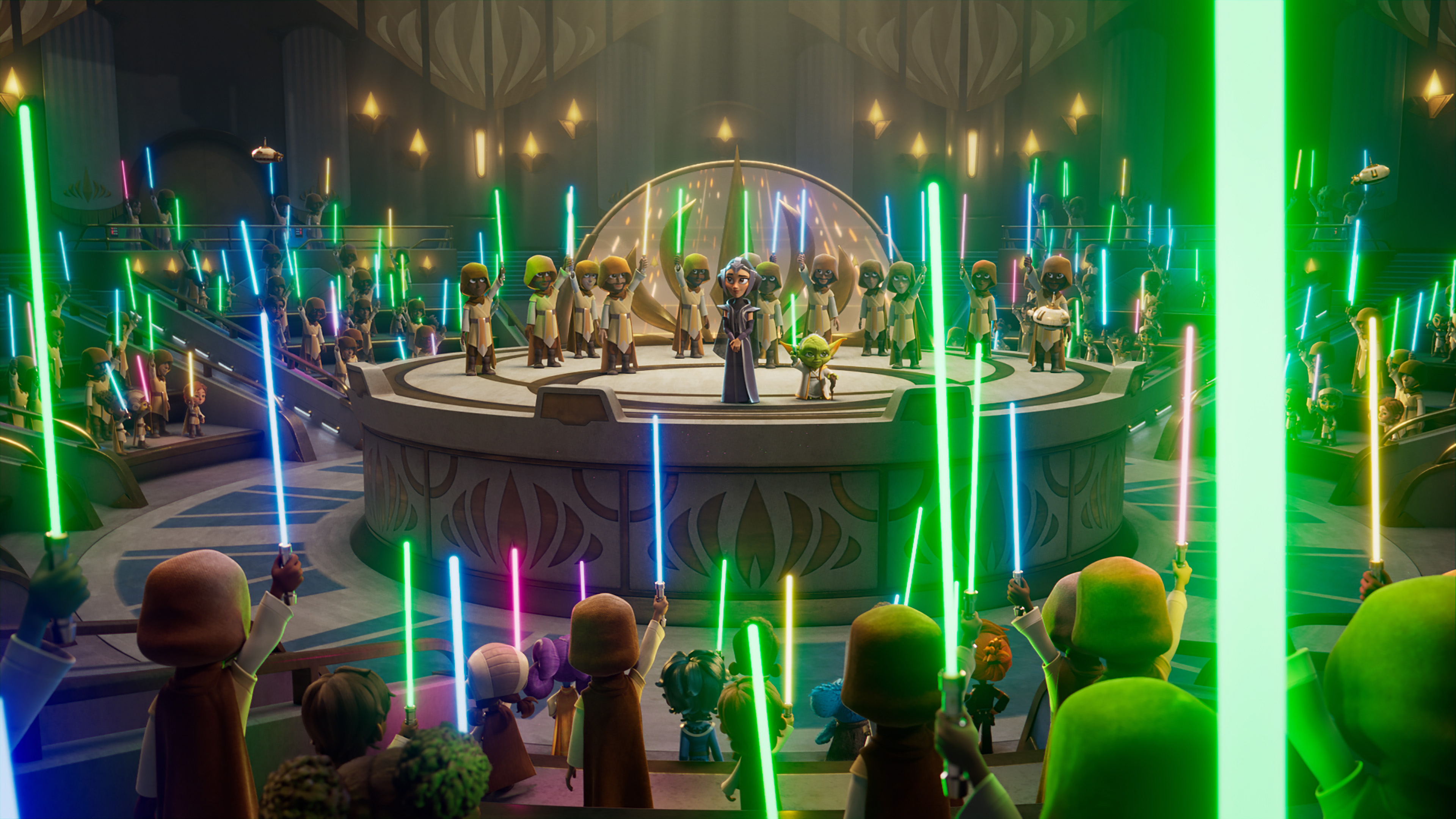
- Blades of an Amethyst/Purple hue (for instance, see Mace Windu's lightsaber , [42] Vernestra Rwoh's lightsaber , [43] and Huulik's lightsaber [44] )
- Black colored blades (a prime example is the Darksaber [45] , along with lightsabers wielded by shadow wraiths [46] )
- Blue colored lightsaber blades (prominent examples include Obi-Wan Kenobi's third lightsaber , [47] the celebrated Skywalker lightsaber , [47] and Leia's lightsaber [48] ). Also, Light blue variations (like Imri's lightsaber,[43] Lyssa Votz' lightsaber,[17] and Tera Sinube's lightsaber[49])
- Crimson/Red lightsaber blades (typically post- bleeding , [50] as seen in Sith lightsabers such as Darth Vader's dual-phase lightsaber , [51] and Darth Sidious' lightsabers , [52] ). Red-yellow variants (such as Kylo Ren's lightsaber[53]) Obsidian blades (projected a blade with a reddish tint[54])
- Cyan lightsaber blades [55] (a notable example is Anoth Estra's lightsaber [56] )
- Green lightsaber blades (prominent examples include Yoda's shoto lightsaber , [52] Luke Skywalker's green lightsaber , [57] , Sabine Wren's lightsaber [58] , and Qui-Gon Jinn's lightsaber ) [59]. Also, Yellow-green variations (like Ahsoka Tano's shoto lightsaber[49] and Ulic Qel-Droma's lightsaber[38])
- Indigo lightsaber blades [55] (for example, Vix Fonnick's lightsaber [60] )
- Magenta lightsaber blades [55] (such as Cleland Cudds' lightsaber [56] )
- Orange lightsaber blades [55] (a good example is Drya Thornne's lightsaber [56] ). Reddish-orange blades (such as Baylan Skoll's lightsaber and Shin Hati's lightsaber)[61]
- Pink lightsaber blades (sourced from seeker crystals) [62]
- White lightsaber blades (resulting from purification , as seen in Ahsoka Tano's white lightsabers , [14] Komat's lightsaber , [46] and Jora Malli's lightsaber [63] )
- Yellow lightsaber blades (notably used by the Jedi Temple Guards ' lightsaber pikes , [64] Ventress's lightsaber , [65] and Rey's lightsaber [66] )
Production Context
The initial idea for the kyber crystal, originally termed the "Kiber crystal," was conceived as a plot element in the second script of the movie that would become New Hope, drawing inspiration from The One Ring in J. R. R. Tolkien's The Lord of the Rings fantasy trilogy. Early notes from George Lucas for Empire Strikes Back include the question "Kiber crystal in sword?". Crystals were first depicted in Star Wars media as a decorative element embedded on the lightsaber hilt in the Legends A New Hope novelization. This single instance aside, the original trilogy and its novelizations make no other mention of crystals.
The animated series Star Wars: The Clone Wars, in "A Test of Strength," which is the seventh episode of its fifth season, was the first instance to fully establish kyber crystals as a component within lightsaber construction in both the Legends continuity and the later established Canon.